
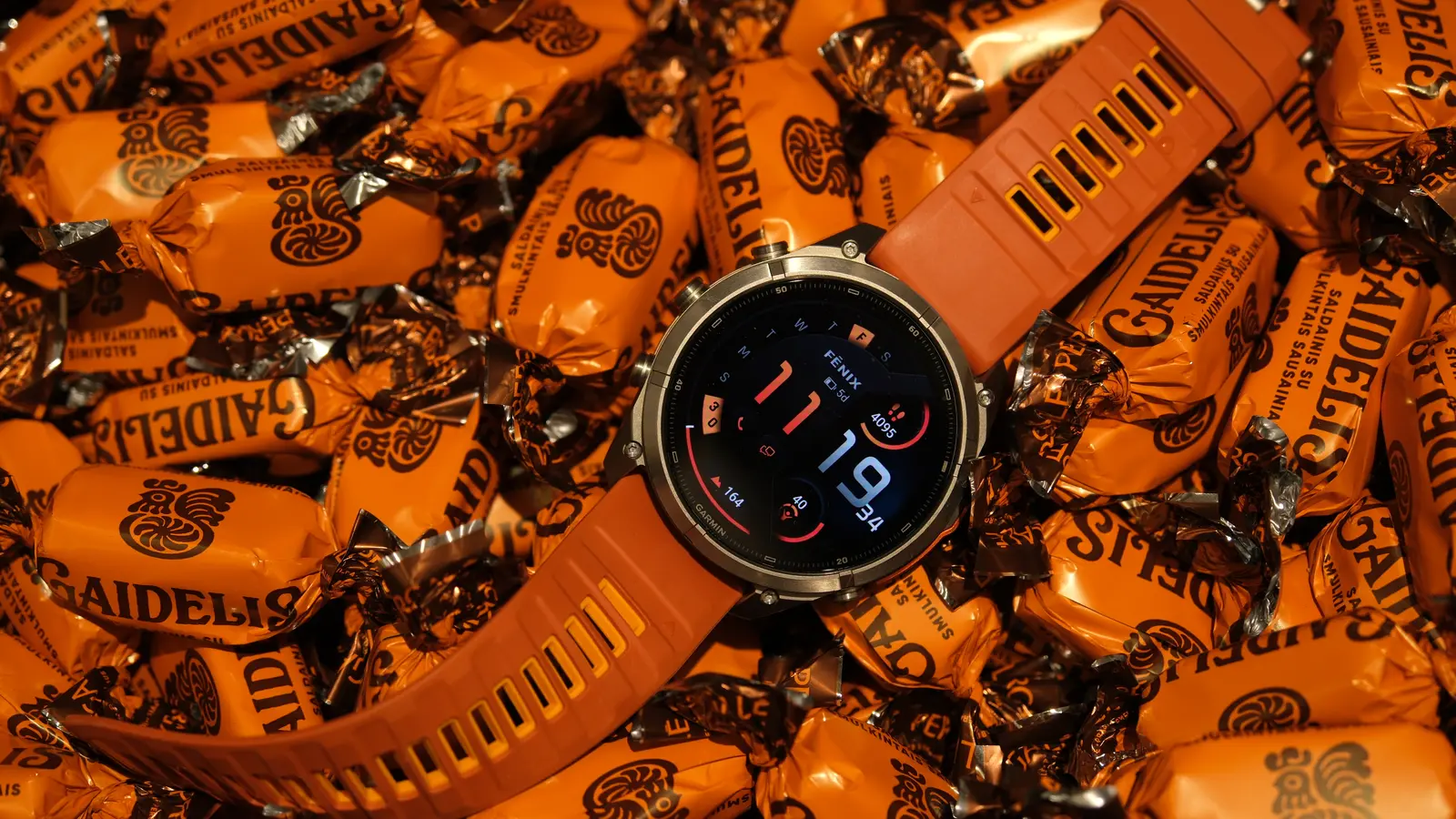
We buy some smartwatches to spend less time staring at our phones. Others are meant to help us get off the couch more often. The Garmin fēnix 9 Pro, however, seems built on the assumption that we’re going to get off the couch, leave the city behind, climb a mountain, and probably need topographic maps, a built-in flashlight, and satellite communication on the way back!
Of course, you don’t need to summit an Alpine peak every weekend to wear this watch. The real question is how many of its features actually make their way into your daily life. When you’re paying around €1,200 to €1,300 (or $1,300) for a watch, you expect the benefit to go beyond simply impressing yourself and the people around you every time you check the time.
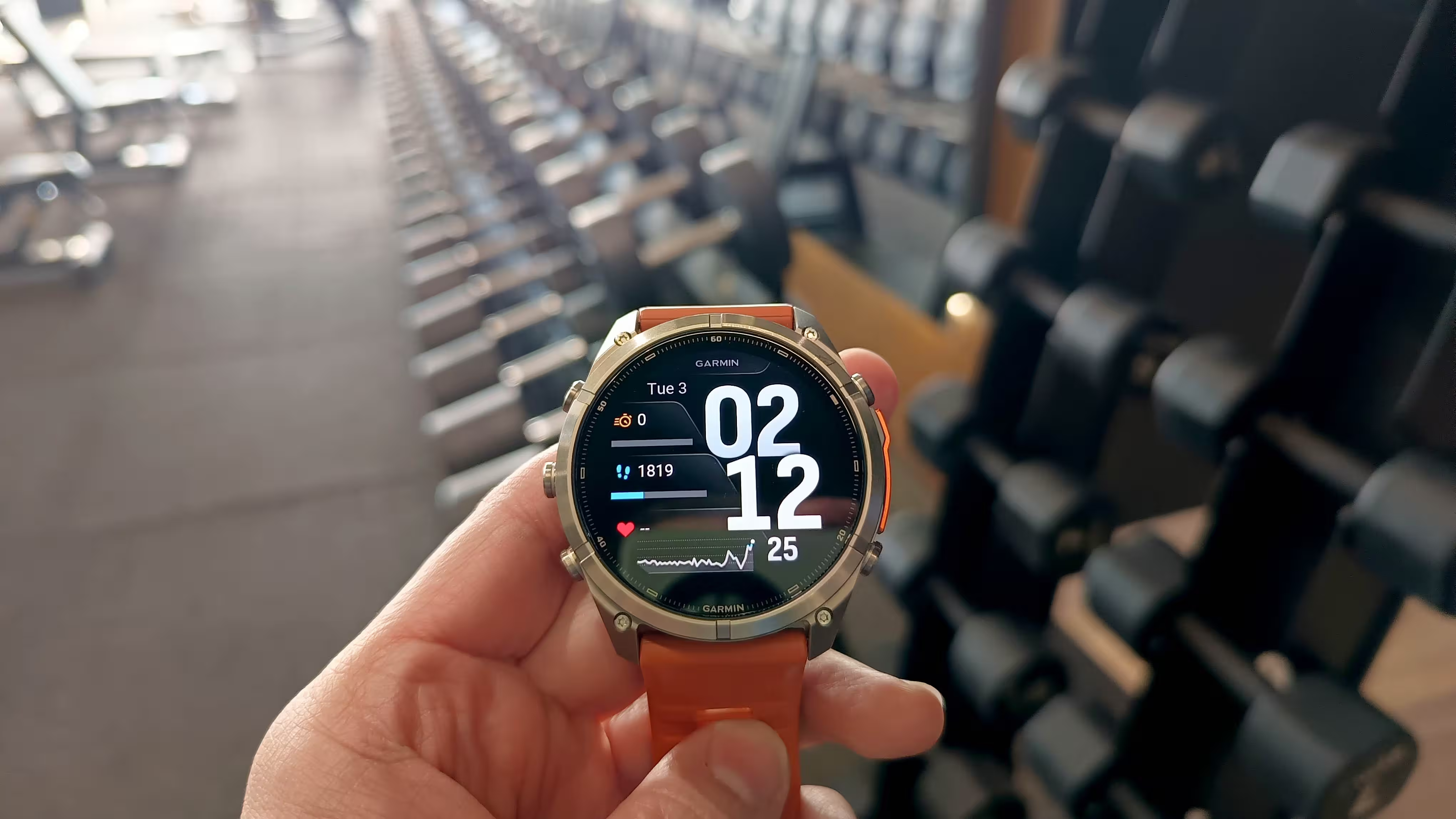
The unit I’ve been testing is the 51mm Garmin fēnix 9 Pro with an AMOLED display, inReach technology, and a vibrant orange band—a massive, fully loaded, and expensive timepiece that aims to be a serious training tool, an outdoor adventure companion, and an everyday smartwatch all at once.
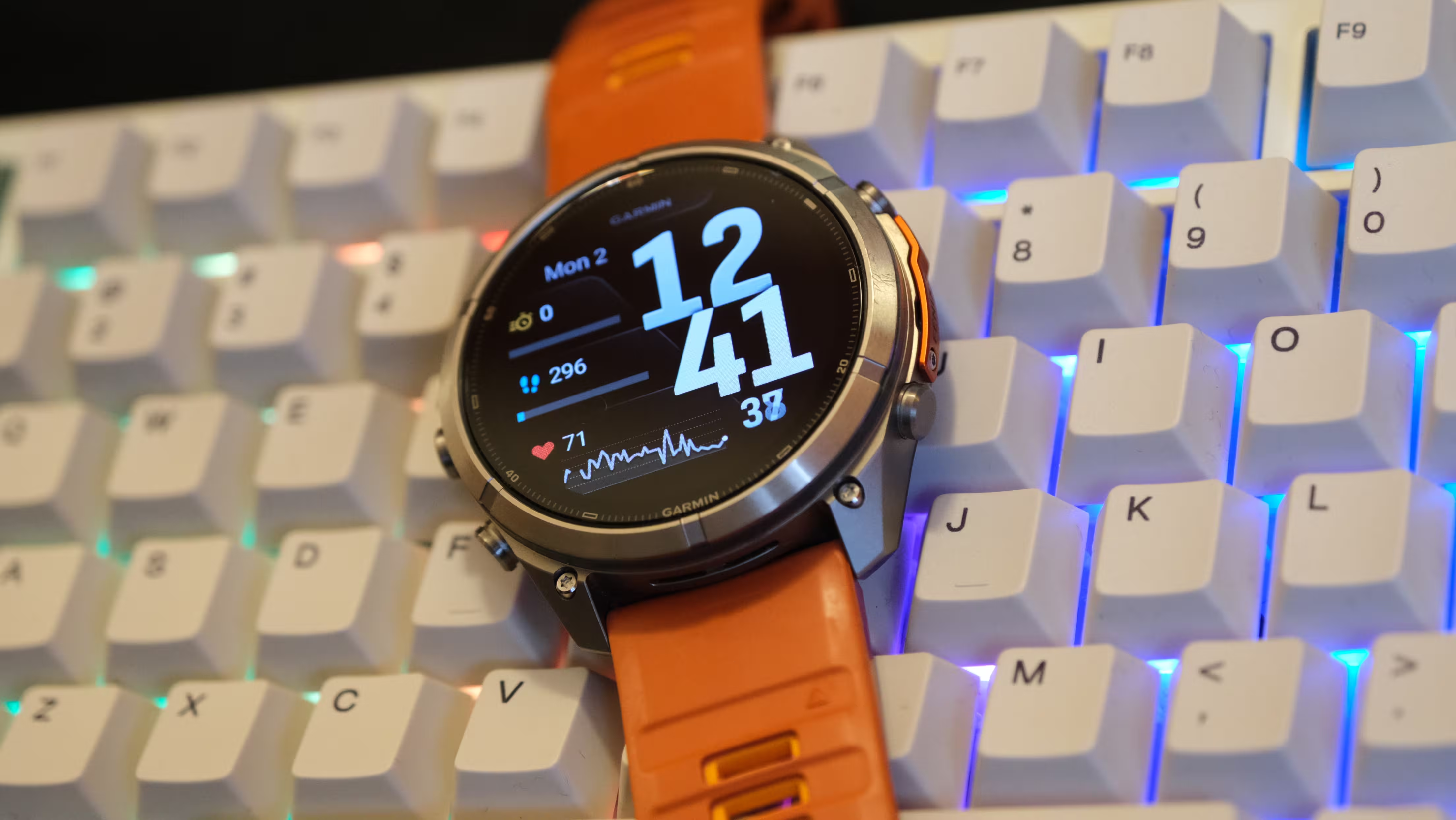
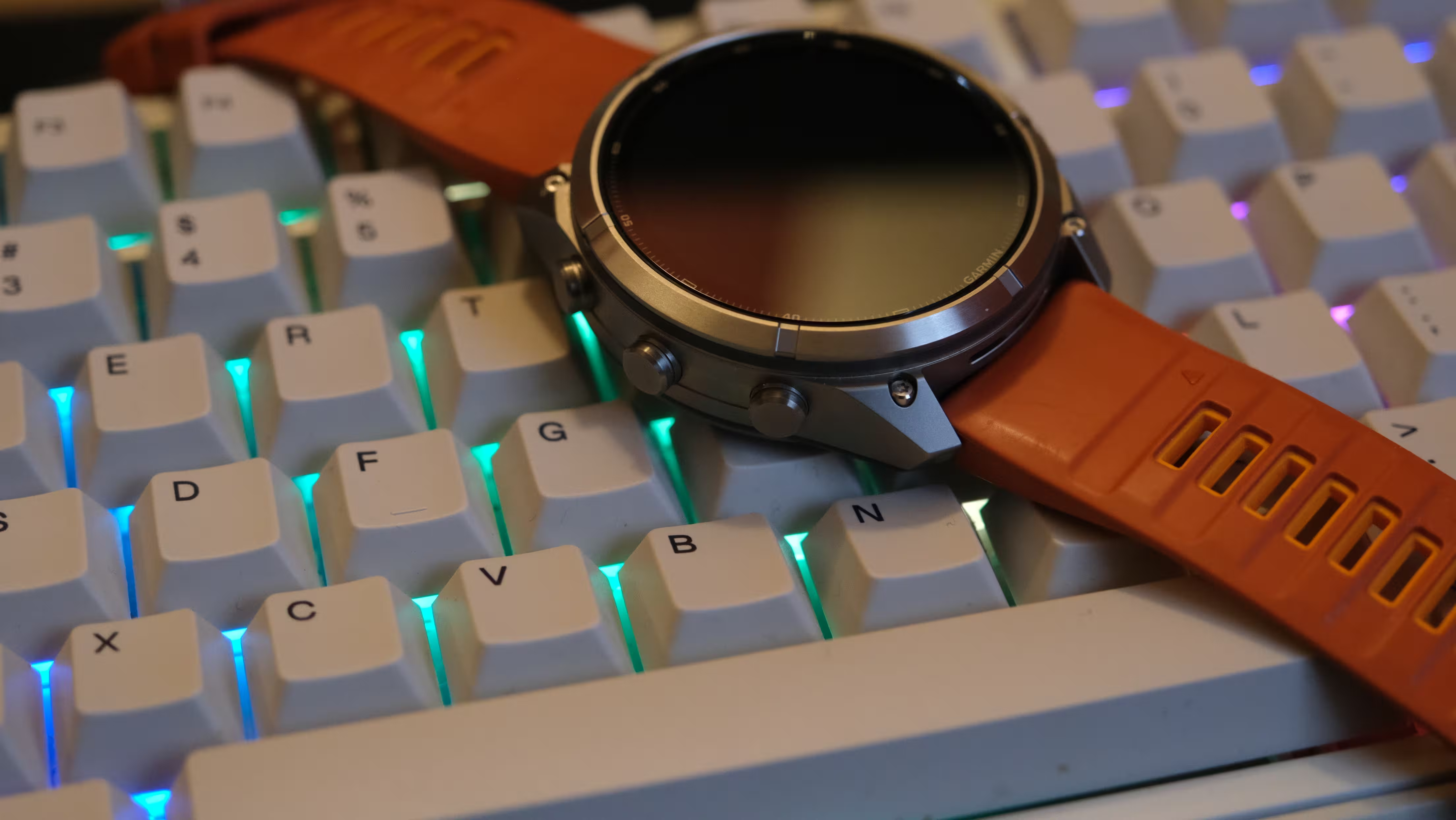 | 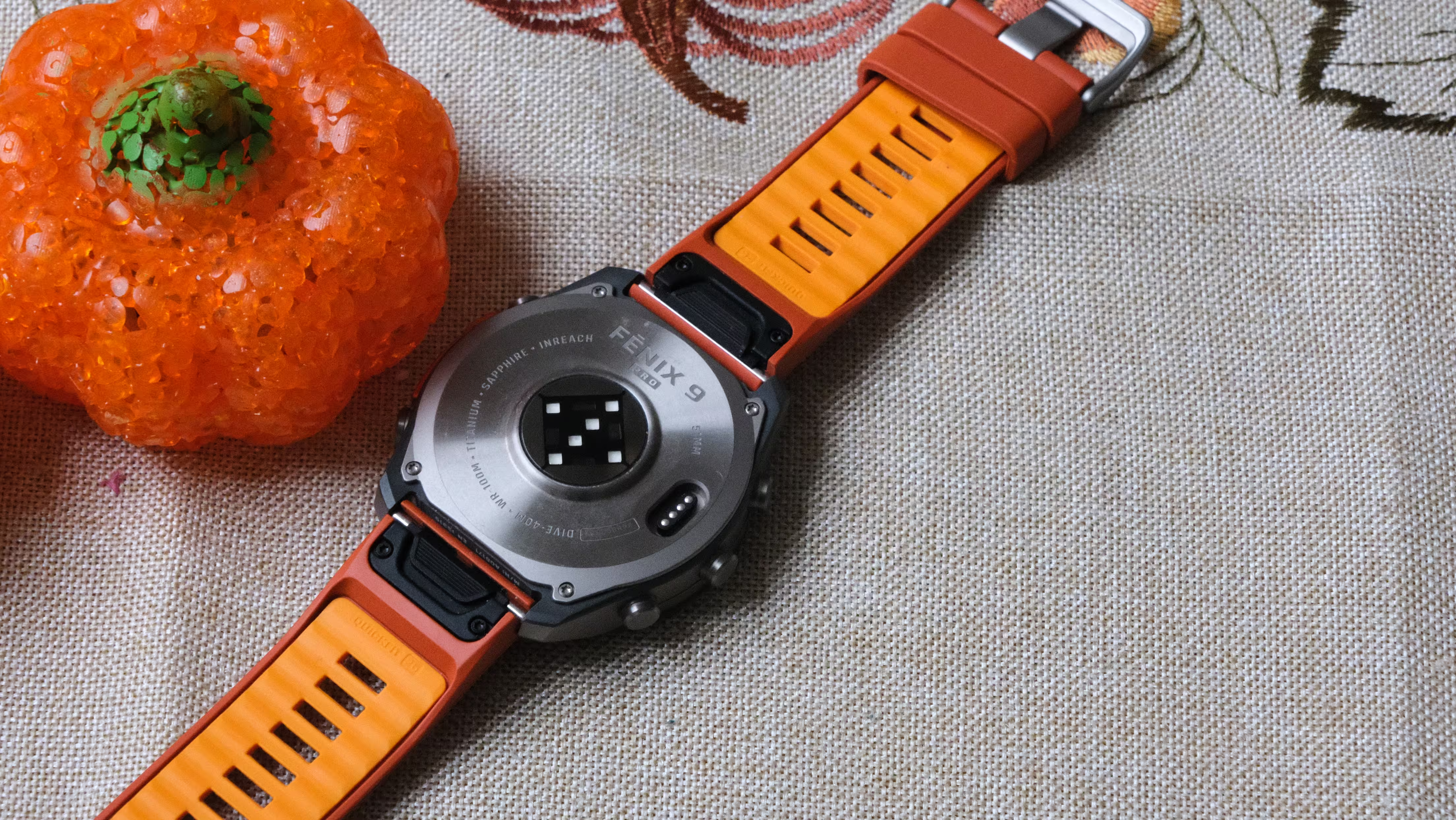 |  |
I previously put it head-to-head against the Forerunner 70—a comparison that clearly showed how paying several times the price doesn’t automatically make you several times fitter. Now it’s time to evaluate the fēnix 9 Pro on its own terms: which of its features truly deliver value, and which ones are likely to stay buried in the menus?
Design and Build Quality: Luxurious, Serious, and Undeniably Present!
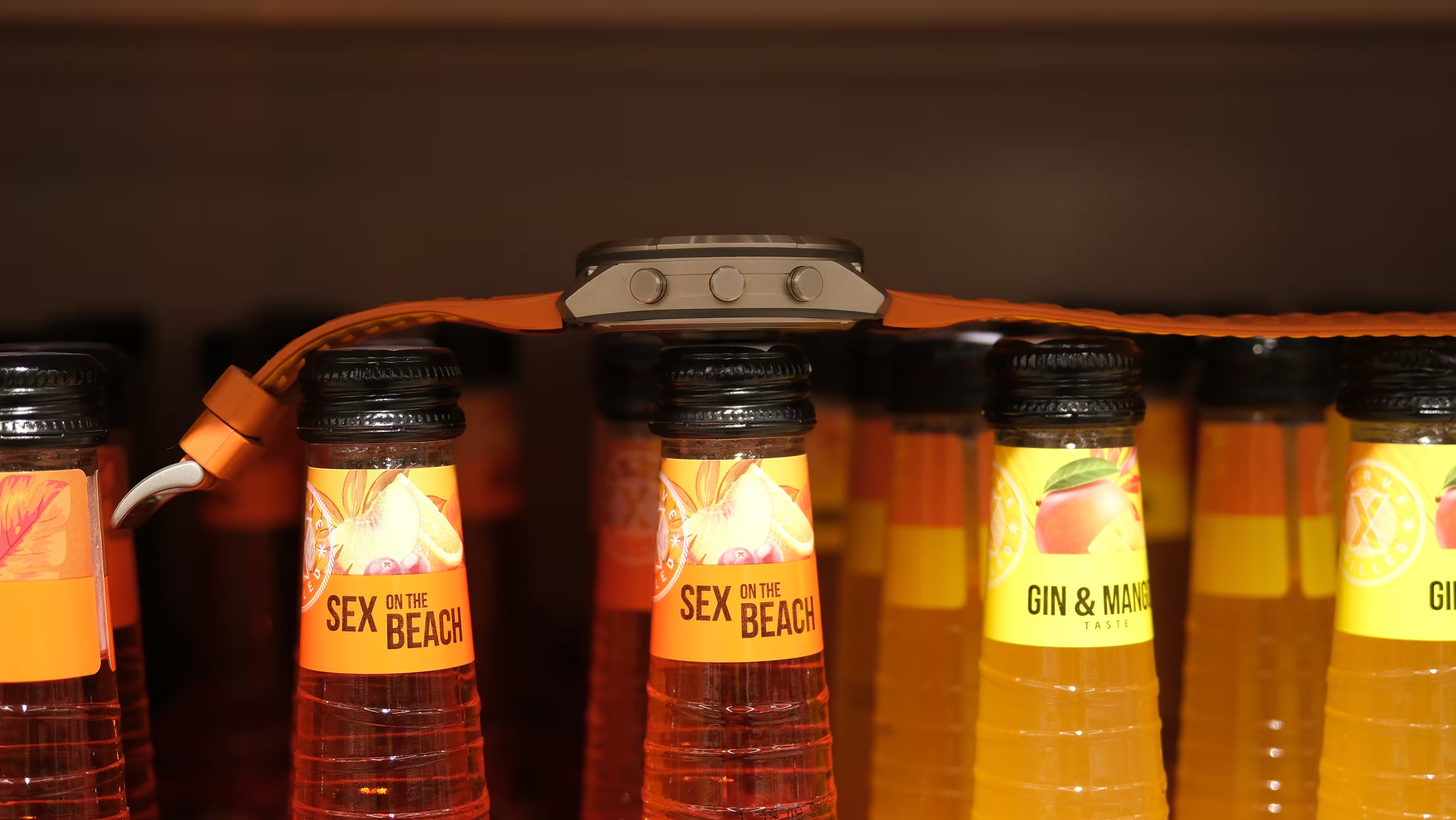
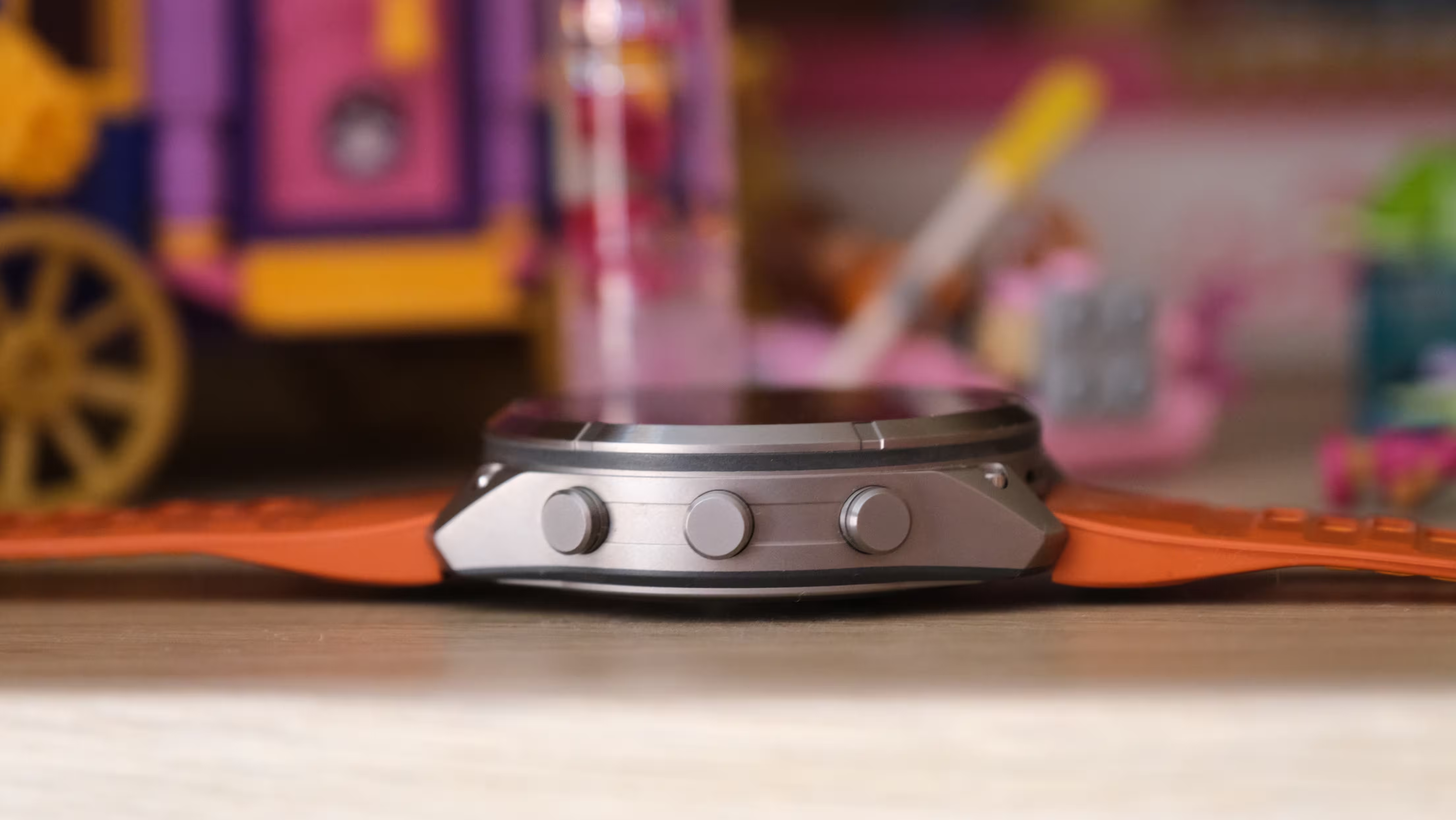
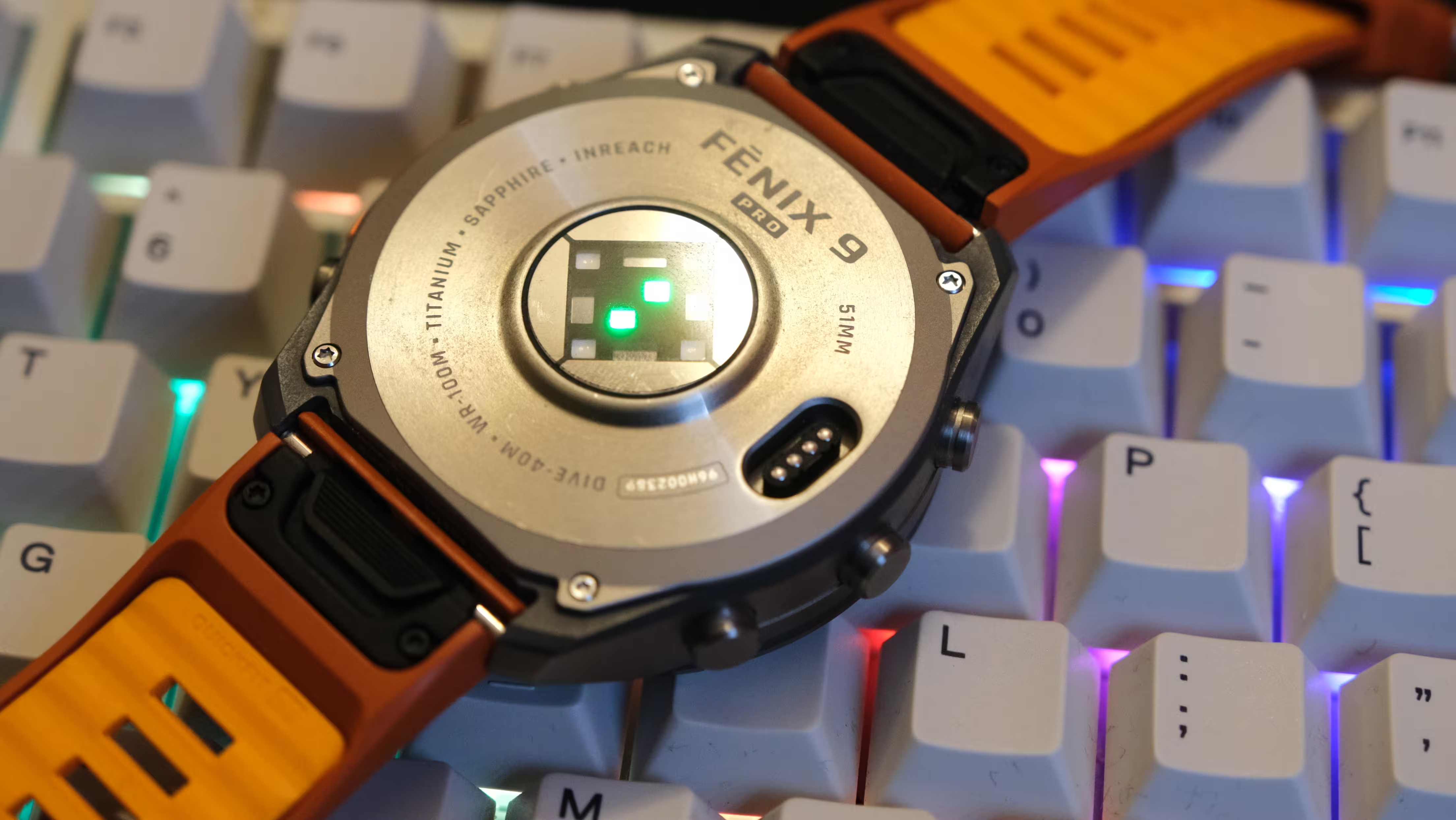
The fēnix 9 Pro isn’t the kind of watch you strap to your wrist and forget about. The 51mm version with the standard silicone band weighs around 99 grams and measures nearly 15.8mm thick. A titanium bezel and rear cover, sapphire crystal glass, a 26mm band, and a 10 ATM water rating create a package befitting a top-tier sports watch. Beyond looking rugged, it is engineered for serious abuse.
In my view, the combination of the bare metal bezel and the orange strap looks fantastic. It projects the feel of a professional-grade instrument while standing out enough to catch the eye. That said, if you’re looking for something that slips quietly under a dress shirt cuff, the 51mm fēnix isn’t big on stealth!
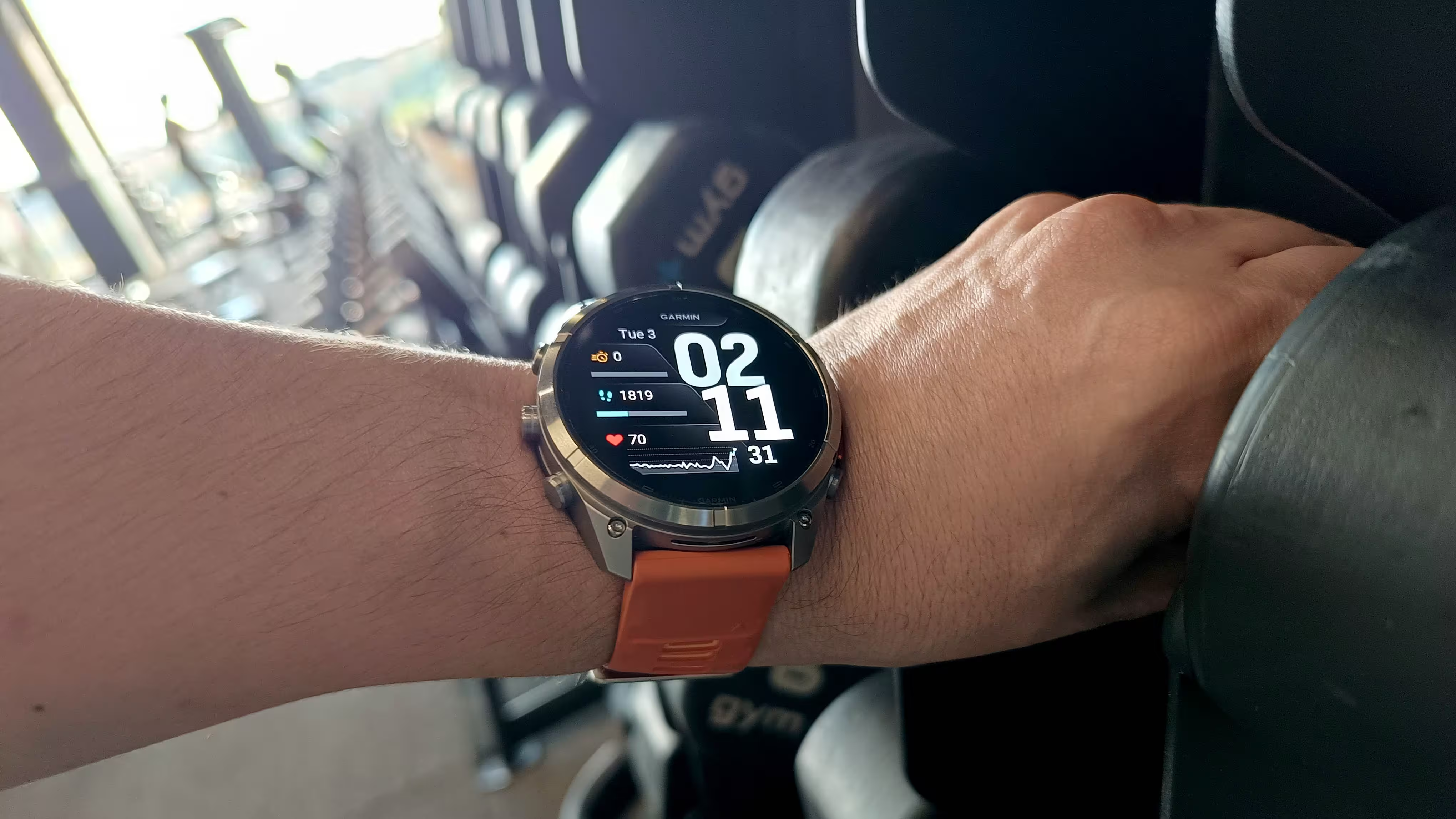
It’s important to remember that a larger footprint isn’t automatically an advantage. If a watch gets in the way while sleeping, typing on a laptop, or bending your wrist, no spec sheet can make up for the discomfort. A watch you take off at night has far less opportunity to gather consistent sleep and recovery data. During my nearly 20-day review period, however, I never took it off once—it essentially became part of my body, albeit a rather bulky one!
The Right Strap Matters More Than You Think
The included silicone band matches the aesthetic well and makes total sense for sweaty workouts. Still, long-term comfort comes down to your wrist size, how much you sweat, and how tightly you wear it.
If you love the 51mm casing but find the stock strap fatiguing, swapping in a compatible third-party or nylon band makes a lot more sense than writing off the entire watch. Just tread carefully when shopping for official accessories: sometimes OEM straps are priced as if a personal trainer is included in the box, especially once the Garmin logo is stamped on the clasp.
Titanium Doesn’t Mean Scratch-Proof
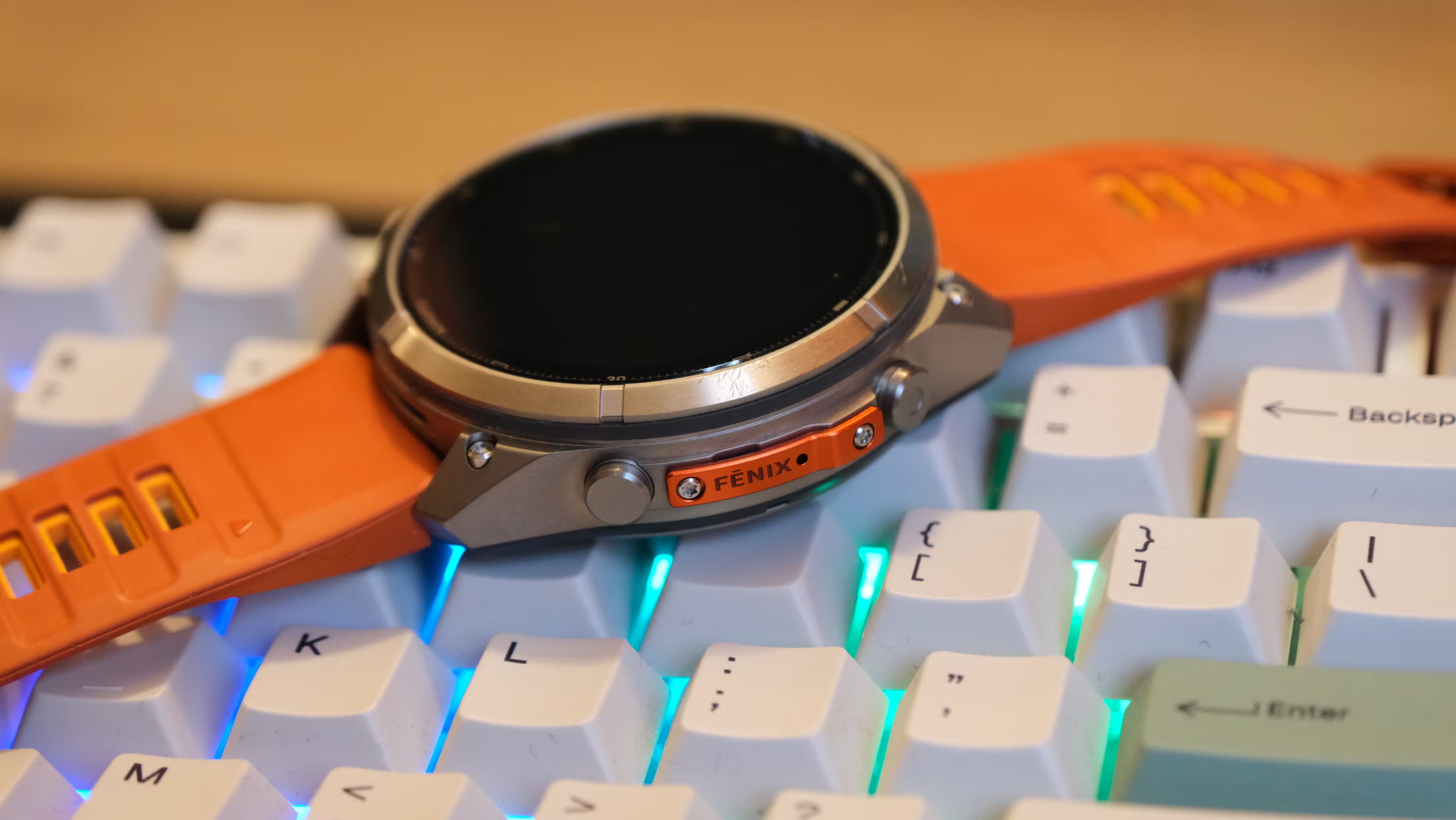
Titanium and sapphire inspire confidence, but they don’t make the watch indestructible. While the sapphire display holds up brilliantly, the raw silver titanium bezel is surprisingly prone to picking up hairline scratches and scuffs. Since you can’t wrap an outdoor watch in a protective case like a smartphone, your first instinct might be to baby it like a piece of fine jewelry.
Given that the fēnix 9 Pro is an all-terrain multisport watch, the practical takeaway is much simpler: if you buy it for actual outdoor use, you have to embrace the inevitable battle scars on the bezel as part of the experience.
Display: One of the Best Reasons to Go Big
The 1.5-inch AMOLED display is one of the standout highlights of this 51mm configuration. With a 466 × 466 resolution, it offers generous real estate for text, performance charts, and detailed maps. Garmin rates the peak brightness of the Pro AMOLED models at up to 3,000 nits—a figure achieved under specific high-ambient-light conditions rather than sustained full-screen output, which makes complete sense in practice.
The real advantage here isn’t just flashy watch faces. When you have six data fields stacked on a single workout screen or need to read trail junctions on a map mid-run, that extra screen area truly matters. A few tenths of an inch might not change how you check the time, but when reading metrics in motion, it makes a world of difference.
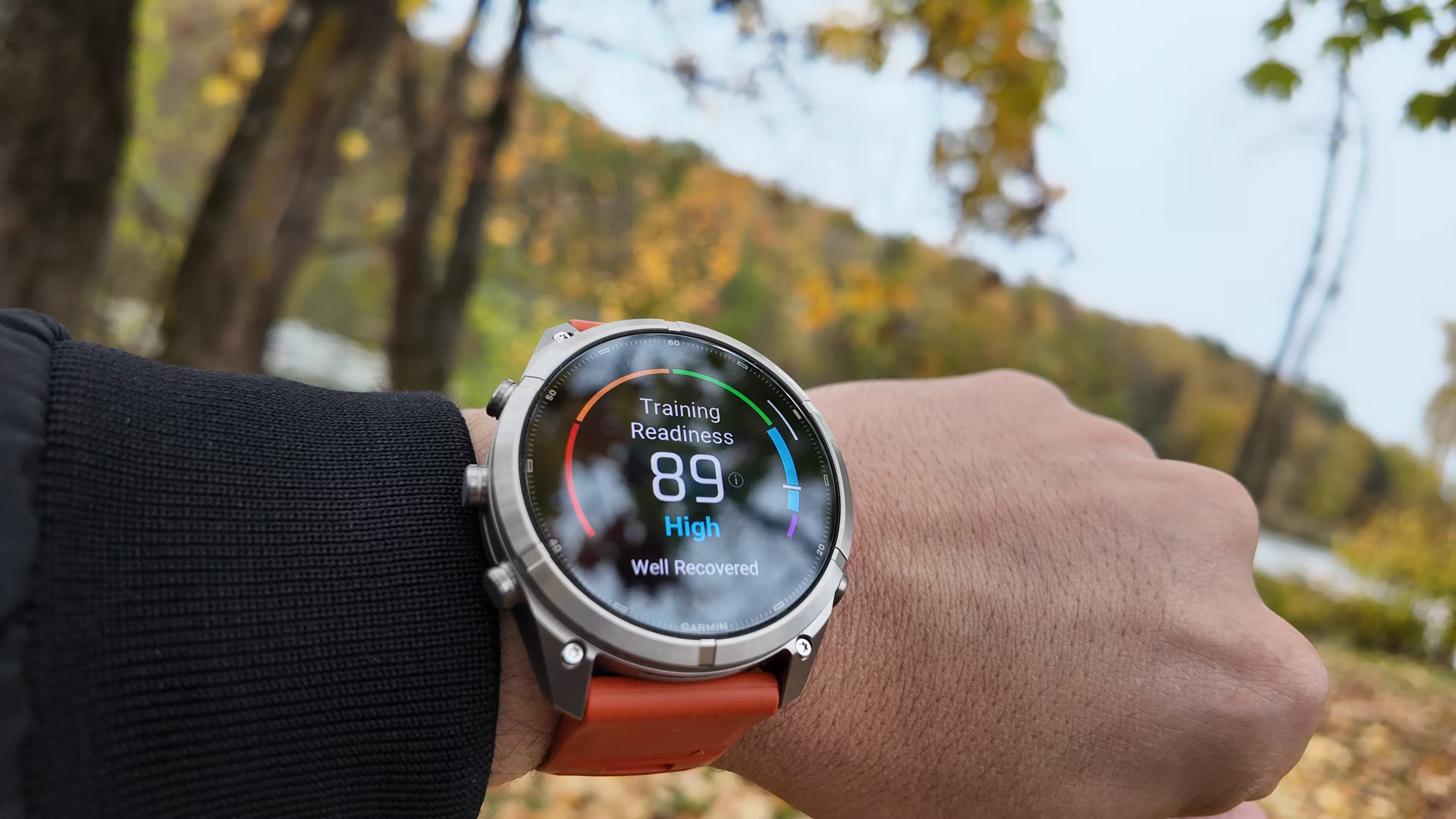
In a watch like this, I value instant legibility far more than color depth or UI flair. A sports watch needs to deliver data at a glance, not force you to bring your wrist inches from your nose to play detective with tiny numbers mid-stride.
Controls and UI: Physical Buttons Are Still a Major Reason to Buy a Garmin
Pairing a responsive touchscreen with five physical buttons delivers genuine practical value on a sports watch. Touch input is great for panning around maps and swiping through daily widgets, while physical buttons provide predictable, no-look control when you’re moving fast, wearing gloves, or caught in the rain.
I really enjoyed the tactile feel of the buttons on this generation, especially after enabling the subtle haptic feedback on each press.
When it comes to system speed, it’s important to keep expectations grounded. Map scrolling and general navigation are very good, though you shouldn’t expect the buttery smoothness of a lifestyle smartwatch built primarily around UI animations. When rapidly pinching or zooming across dense topographic maps, occasional micro-stutters still pop up.
For me, the benchmark is whether the interface ever gets in the way of starting an activity, checking stats, or finding a trail. Smoother animations are nice to have; rock-solid reliability mid-workout is what actually counts.
The Flashlight: A Small Feature That Earns Its Keep Every Day
If I had to pick one feature that proved far more useful in real life than it looked on the spec sheet, it’s the built-in LED flashlight housed at the top of the case.
The fēnix offers white, red, and green beams, though the standard white light is what I reach for 90% of the time. Whether looking inside a dark closet, finding something in a dim room, or lighting the path ahead at night, I no longer need to dig out my phone and fumble for the camera flash.
Its biggest asset isn’t just raw brightness—it’s instant accessibility. The light is already strapped to your wrist, leaving both hands completely free.
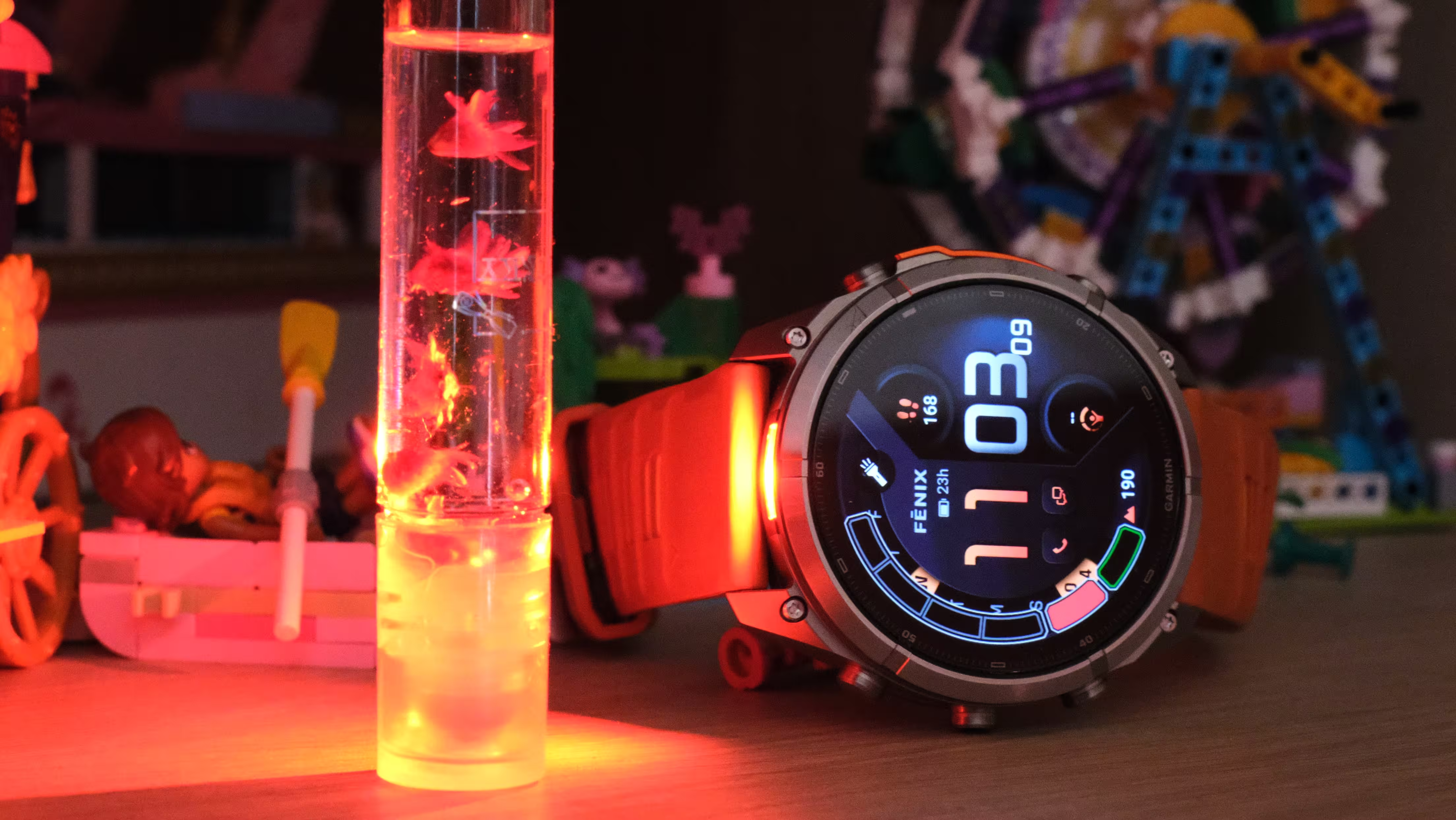
The colored modes and stepped brightness levels add welcome versatility in the dark; after all, you don’t need to light up the bedroom like a helicopter landing pad just to find the TV remote.
Of course, a wrist flashlight won’t replace a dedicated headlamp on a serious nocturnal trail run or caving trip. Its real strength is fast, always-there utility—the exact kind of feature that sounds like a gimmick in marketing copy, yet becomes second nature within a week.
Maps and Navigation: Where the fēnix Pulls Ahead
One of the defining upgrades of the fēnix over entry-level running watches is full-color, routable topographic mapping that shows your actual surroundings. Following a basic breadcrumb line is fine until you hit a five-way trail fork in the woods; being able to see surrounding paths, contour lines, and how trails connect gives you far more situational awareness.
Panning and zooming across the map, previewing upcoming elevation, and using the perspective view all elevate the navigation experience. The true value of these tools becomes clear the moment you step onto unfamiliar terrain.
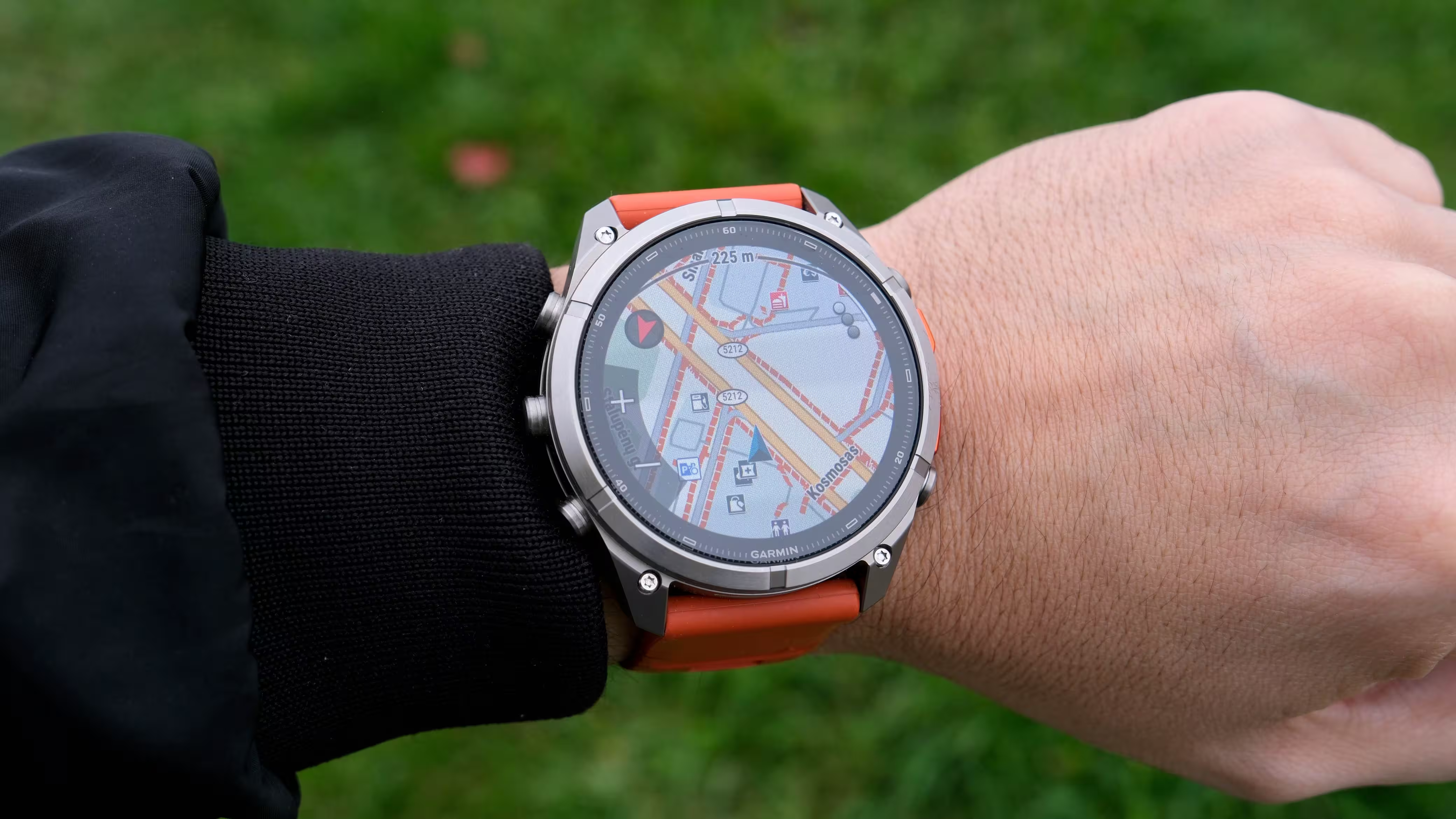
If you run the exact same local park loop every morning—to the point where even the neighborhood cats know your pace—you probably won’t touch the maps very often. Take the watch hiking in a national park, trail running while traveling, or gravel cycling on new routes, and the story changes completely.
Round-trip routing is another genuinely handy tool: instead of plotting a course manually on your phone, you can punch in a target distance and let the watch generate a loop for you. Naturally, you still need to apply common sense and match the suggested path against real-world trail access and terrain conditions.
GPS and Heart Rate: Promising Results Without Blind Absolutes
When evaluating sensor accuracy, I prefer to separate a single clean track from a blanket verdict. One well-recorded hike is a great sign, but it doesn’t automatically crown a watch the undisputed king of accuracy in every conceivable environment.
Across my walking, running, and forest hiking tests, the standard GPS mode performed admirably in open areas and under moderate tree cover, often tracking remarkably close to the highest-accuracy Multi-Band mode. By contrast, the more aggressive battery-saving GPS profiles occasionally showed wider drift around corners and under dense canopy.
That’s the classic trade-off you have to weigh when configuring activity profiles: maximum battery endurance and pinpoint satellite precision rarely happen at the same time.
Training Tools: The Real Value Lies in Interpreting the Data
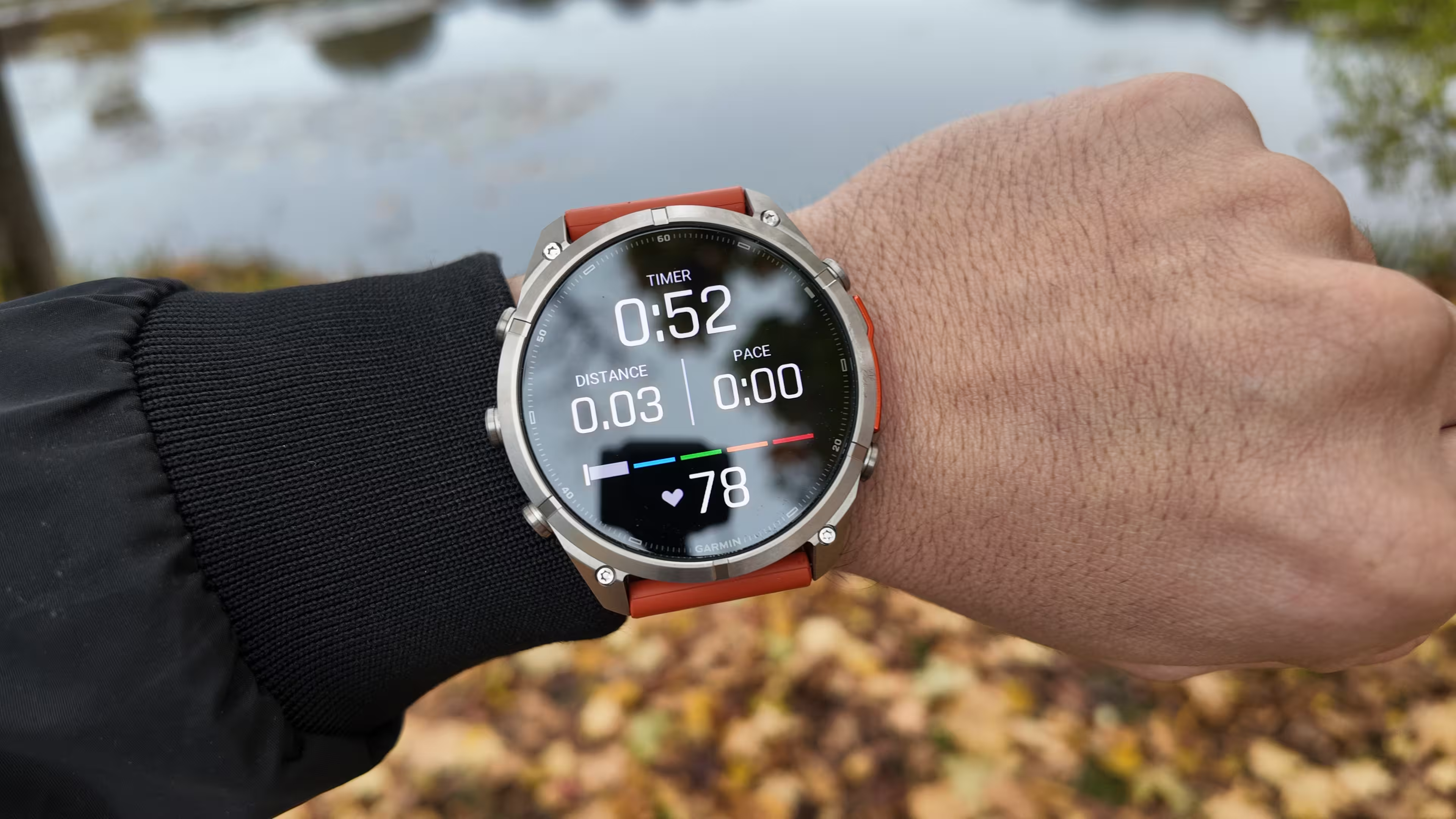
The fēnix 9 Pro doesn’t just log miles and minutes. Training Readiness, Training Status, Recovery Time, Training Load, and endurance metrics are all designed to guide your next training decision.
Several of these terms sound similar on paper, but they serve distinct roles:
Feature | Primary Purpose |
|---|---|
Training Readiness | Estimates how prepared your body is to benefit from a workout right now |
Training Status | Evaluates the long-term impact of your training habits on your overall fitness |
Training Load | Tracks the cumulative strain of your workouts over recent days and weeks |
Recovery Time | Estimates how many hours your body needs before tackling another hard session |
Real-Time Stamina | Helps manage your estimated remaining energy reserves during an active workout |
Garmin pairs these metrics with adaptive training plans and long-term trend analysis. Their true worth only clicks when you stop treating the numbers as high scores and start letting them inform your routine. If you constantly push at high intensity, for instance, seeing a warning about alow-aerobic deficit can be a much-needed reality check.
To me, Garmin’s biggest strength is helping you see the bigger picture. One brutal workout doesn’t automatically equal progress, and an easy recovery day isn’t laziness—even if convincing your own guilty conscience of that second part is sometimes harder than the workout itself!
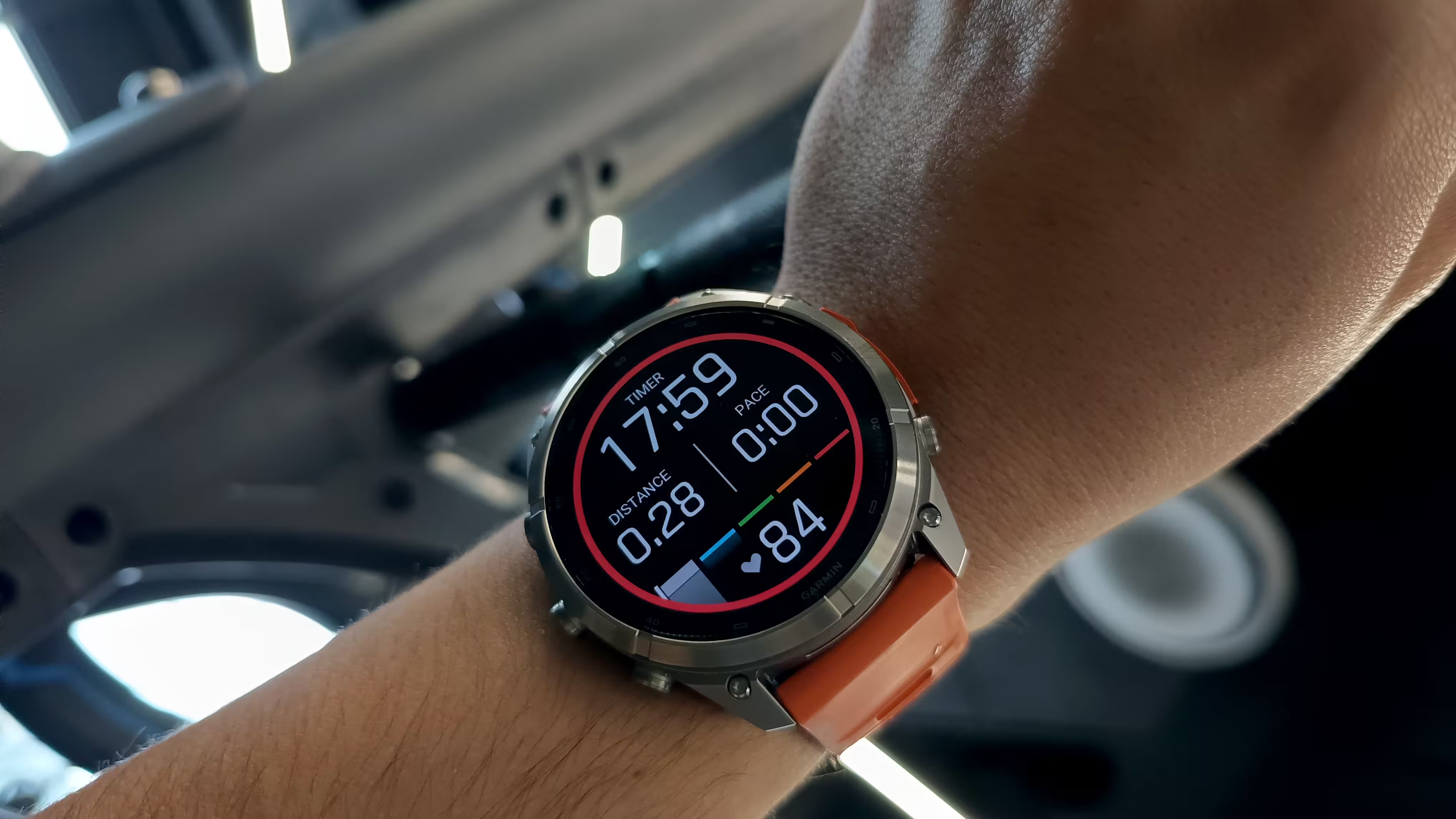
Tools like Real-Time Stamina and ClimbPro are equally great for pacing yourself on long endurance days and steep ascents. The key is knowing what questions you want the data to answer, rather than just cluttering your watch with ten extra data screens.
Sleep, Body Battery, and Recovery: Consistency Beats Day-One Novelty
Getting meaningful sleep and recovery trends requires wearing the watch consistently around the clock. Compared to the Forerunner lineup, the lighter, slimmer profile of a dedicated running watch remains a tangible advantage in bed. The fēnix packs more hardware, and its sheer mass won’t feel invisible on every wrist overnight.
Body Battery is best treated as a solid daily estimate of your energy reserves and cumulative stress. While its trajectory often aligns surprisingly well with how drained or recharged you feel, a single number shouldn’t override how your body actually feels, your life context, or professional medical advice. I’d hesitate to call any wellness algorithm "100% exact," yet overall, it mirrors physical fatigue remarkably well.
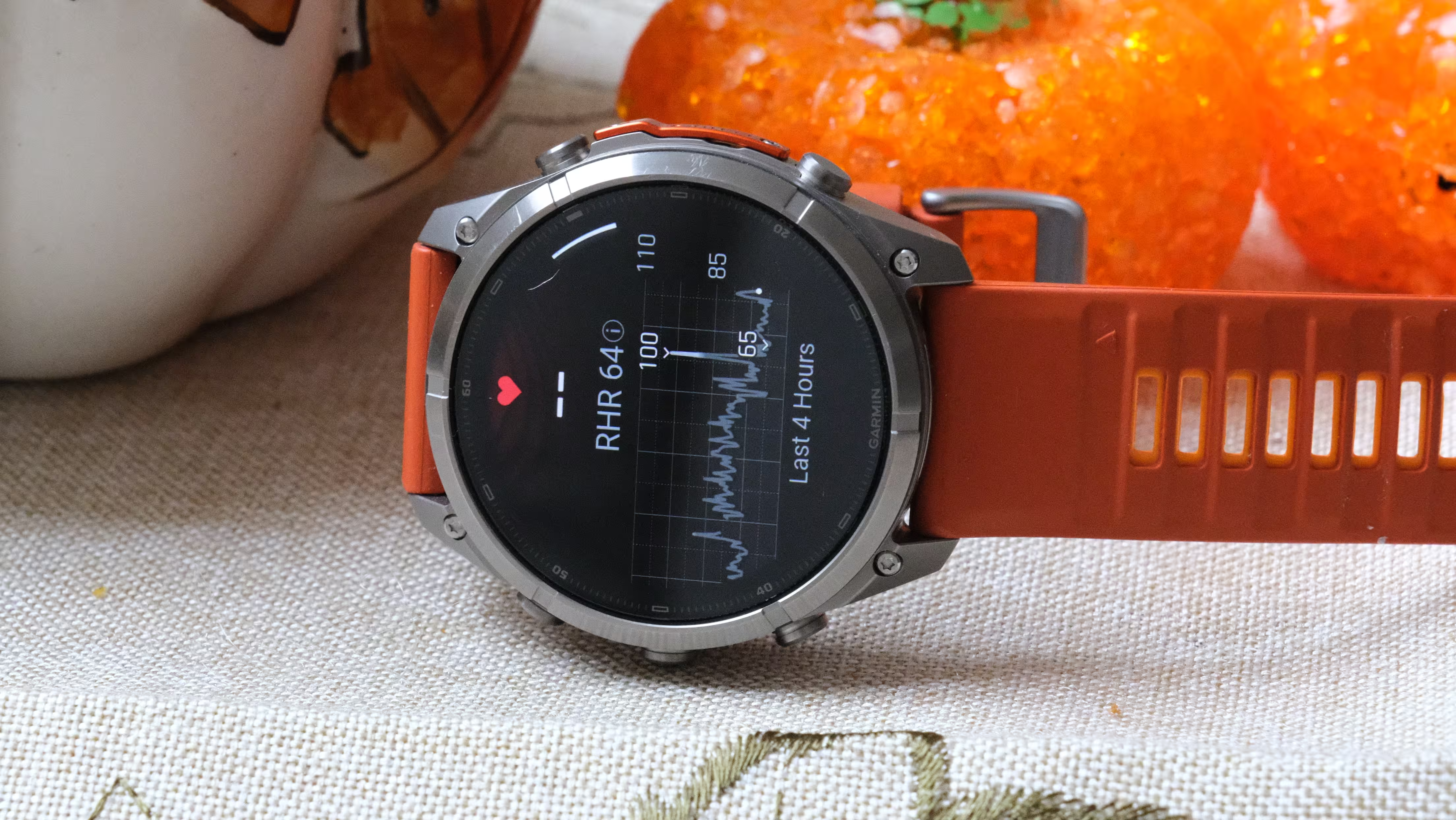
The smartest way to use these metrics is watching multi-day trends: did three nights of short sleep tank your Training Readiness? Did a quiet weekend bounce your baselines back up? Asking those questions is far more productive than obsessing over why your Body Battery scored a 68 today instead of yesterday’s 72.
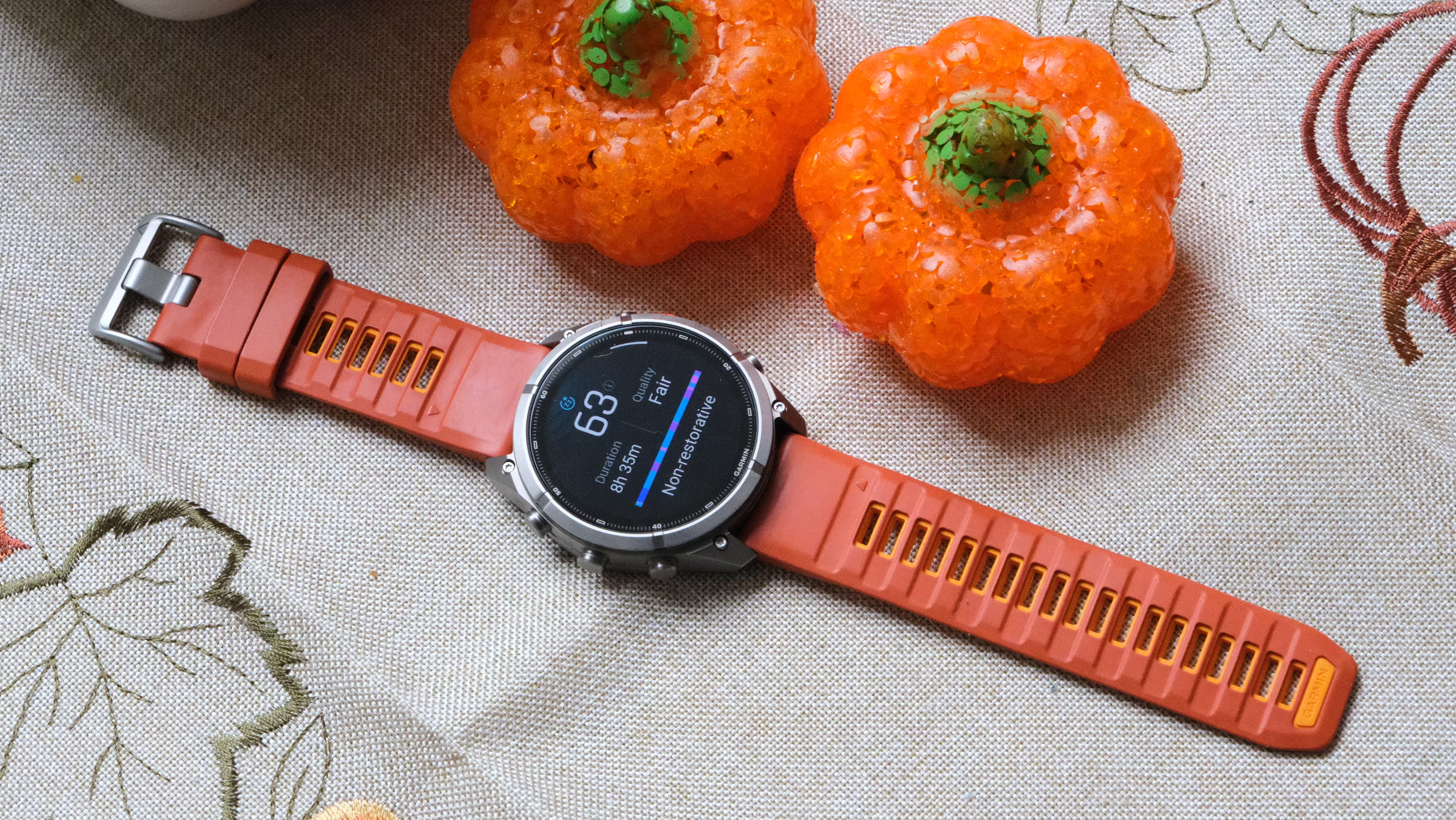
Throughout my testing, checking my sleep quality and Morning Report became the very first thing I did after waking up—a genuinely enjoyable daily ritual. Out of all the smartwatches I’ve tested over the years, Garmin’s morning breakdown remains the most comprehensive and engaging.
Calls, Music, and Smart Features: Practical Everyday Extras
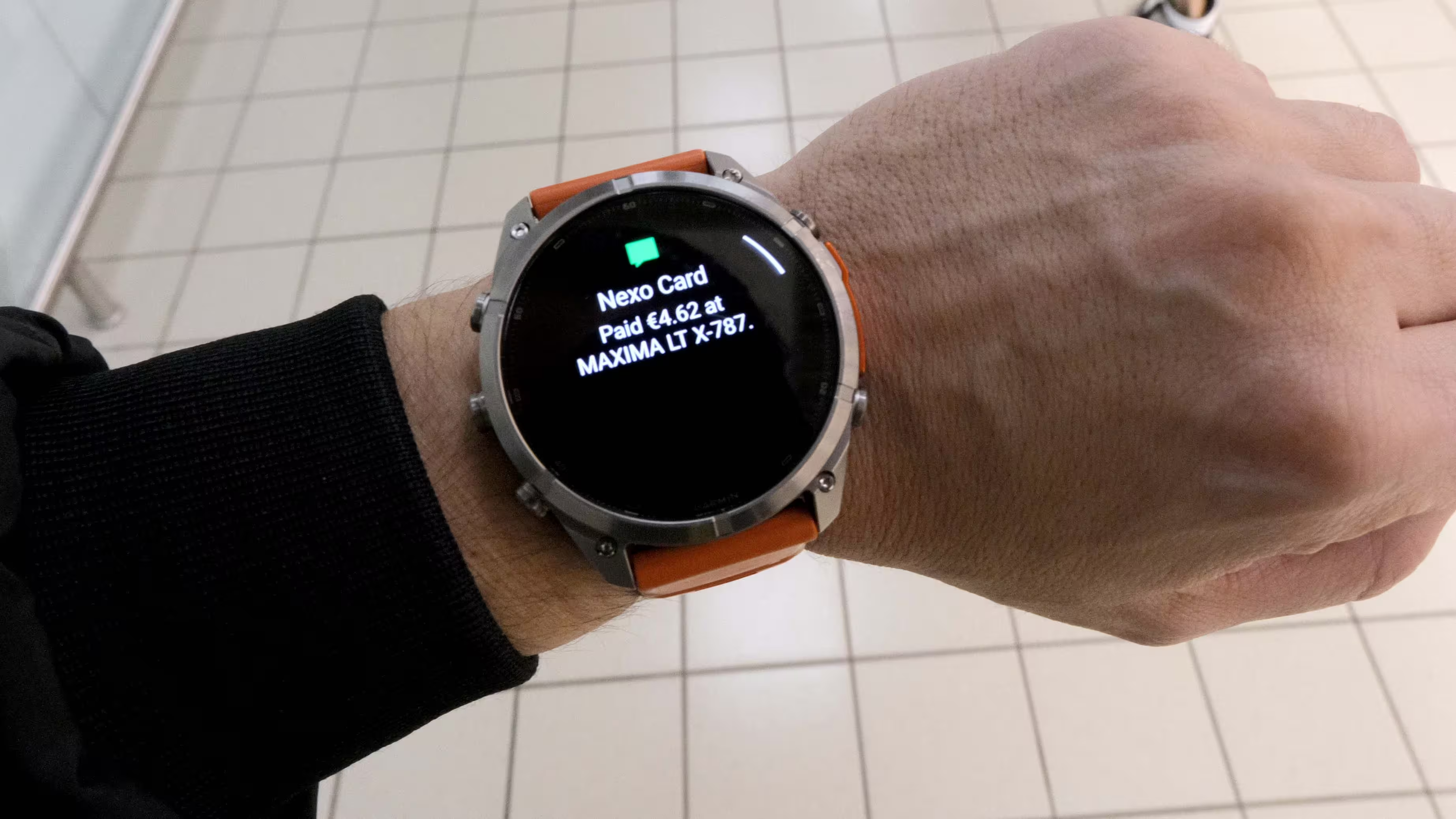
A built-in microphone, speaker, and 64GB of onboard storage push the fēnix 9 Pro well beyond a pure sports tracker. Taking a quick call from your wrist or storing offline playlists can easily save you from pulling your phone out of your pack.
Still, I wouldn’t buy a fēnix expecting it to replicate the full Apple Watch or Galaxy Watch third-party app ecosystem just with multi-week battery life. Garmin’s core DNA remains firmly rooted in sports, outdoor navigation, and performance analytics.
Speaker clarity has improved over the previous generation, though I occasionally ran into minor connection hiccups when answering calls on the wrist—an issue that could just as easily come down to the paired smartphone.
inReach: The Feature Where You Must Read the Fine Print!
The "inReach" badge on this specific model is a major differentiator, but it does not mean free, unlimited communication anywhere on Earth out of the box.
Satellite communication features—including interactive SOS alerts, location sharing, and two-way messaging—require an active paid Garmin subscription. Garmin offers a free first-month trial, which I activated for this review. Coverage currently spans the United States, parts of Canada, and the vast majority of Europe. Voice calls via the Garmin Messenger app work over cellular LTE connections, whereas satellite voice calling is not supported; satellite mode is strictly for text messaging, SOS signaling, and weather updates.
This distinction is crucial before you buy. Offline maps and standard multi-band GPS work globally, but they shouldn’t be confused with inReach satellite messaging coverage. Depending on where you travel outside Europe or North America, positioning will work fine while satellite messaging may be unavailable.
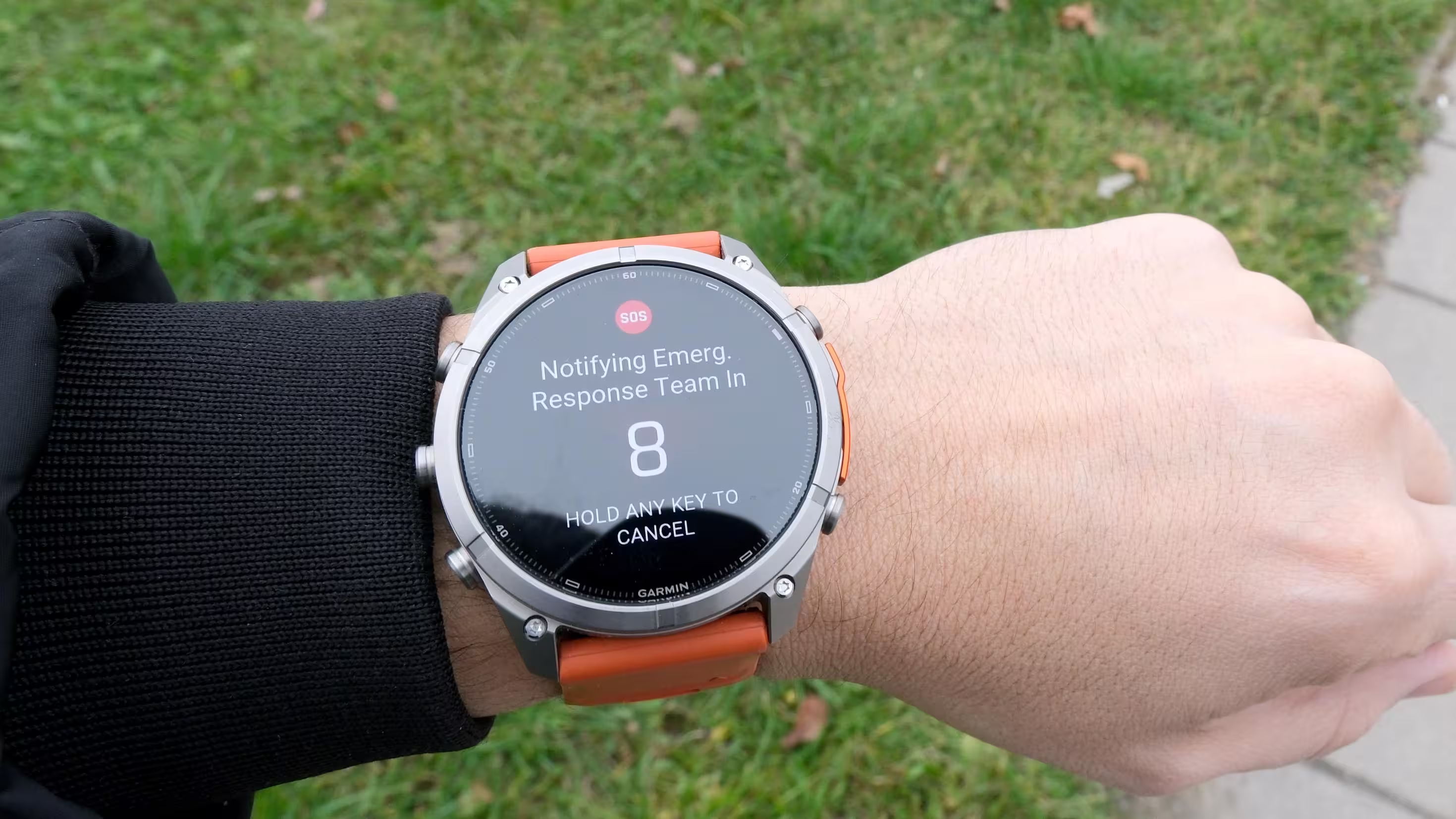
Connecting to a satellite isn’t passive or instantaneous like cellular 5G, either. You often need to stop moving, find a clear view of the sky, and orient your wrist toward the satellite following the on-screen compass prompt. Dense tree canopy or steep canyon walls can easily slow down the handshake.
The value of built-in inReach is massive for hikers, mountaineers, and backcountry cyclists who regularly venture off the cellular grid inside supported regions, maintain an active plan, and understand how the link works. Having a standalone emergency communicator strapped directly to your wrist brings incredible peace of mind. If your workouts never leave city streets covered by 5G, paying extra for the inReach hardware makes little sense.
Battery Life: A Massive Advantage With a Wide Spread Across Scenarios
Battery endurance is easily one of the top reasons to step up to the 51mm case. Garmin’s official spec sheet rates the 51mm Pro AMOLED model at up to 31 days in standard smartwatch mode. Crank everything up—Always-On display, multi-band GPS tracking, and active LTE/satellite connectivity—and that runtime drops to under two days. So what does real-world usage actually look like?
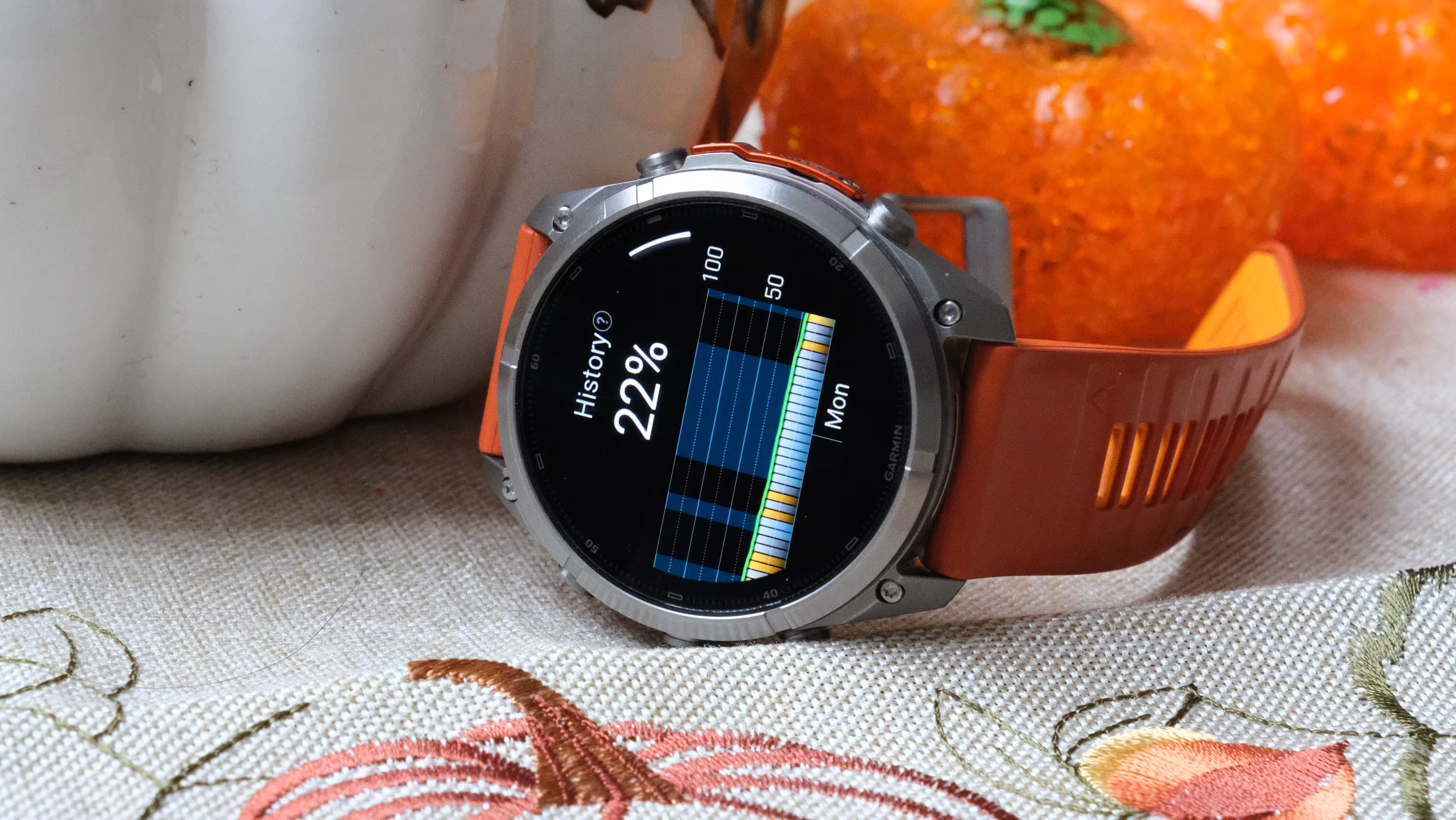
During my first week of heavy review testing—constantly digging through menus, testing satellite links, using the flashlight, and logging workouts—I still had 26% battery left after seven full days. That translates to a guaranteed 10 days even under unusually heavy reviewer abuse! Once I settled into a normal routine with regular workouts and notifications, the fēnix 9 Pro comfortably delivered 15 to 18 days on a single charge—meaning you can go weeks at a time without ever looking at the charging cable.
Value for Money: Who Actually Uses All of This?
The Garmin fēnix 9 Pro—especially in this inReach configuration—is a dream machine for anyone whose lifestyle checks several of these boxes at once: structured endurance training, full offline mapping, backcountry exploration, multi-week battery life, titanium durability, and off-grid emergency messaging in supported regions.
If you mostly want to log a couple of casual walks, read WhatsApp notifications, and count daily steps, the vast majority of what you’re paying for will sit idle. Even dedicated runners who care deeply about training load and recovery can get nearly the exact same analytics in a lighter, far more affordable package from Garmin’s own Forerunner series.
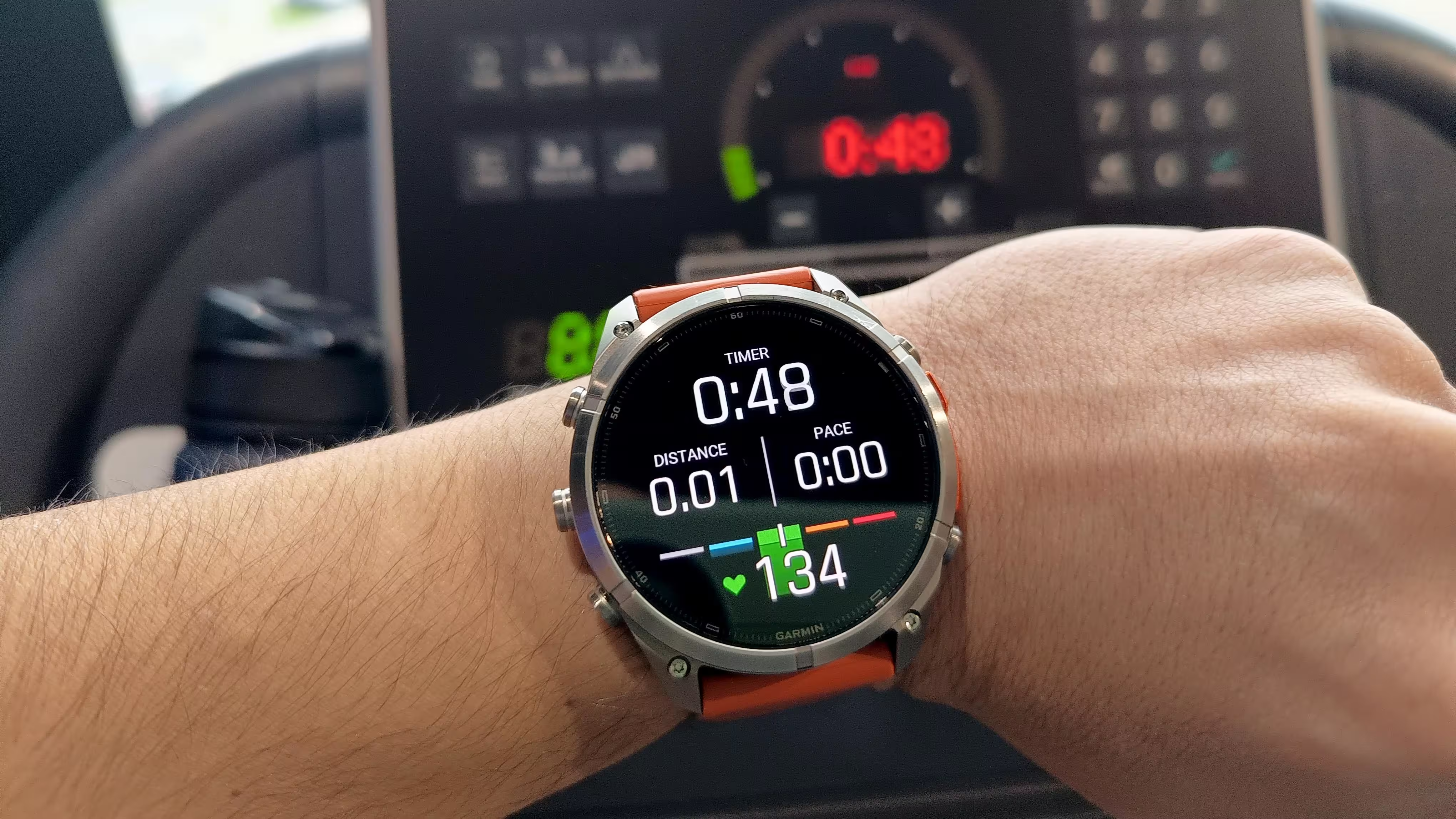
When weighing the €1,300 ($1,300) price tag, remember to factor in the ongoing cost of an inReach subscription (if you plan to use the satellite radio) alongside Garmin’s pricey ecosystem of bands and sensors.
Should You Upgrade From the fēnix 8?
If your current fēnix 8 is running smoothly, holding a solid charge, and meeting your mapping and display needs, I see no urgent reason to rush out and upgrade.
The refreshed case details, the larger and brighter display on my 51mm test unit, and the refined mapping experience are great, but the return on investment depends entirely on what feels lacking on your wrist today. Also keep in mind that comparing an older 47mm watch against a new 51mm model isn’t just a generational leap—you’re comparing physically different battery capacities.
For anyone holding onto an older fēnix 6 or 7 with a degrading battery, or outdoor athletes who specifically want integrated inReach without carrying a separate communicator clipped to their backpack, the jump is much easier to justify. Upgrading purely for a higher number on the box, however, is an expensive hobby.
Pros and Cons
Pros:
Rugged titanium construction, sapphire crystal, and striking outdoor aesthetic
Large, vibrant 1.5-inch AMOLED display ideal for maps and multi-metric workout screens
Built-in LED flashlight that proves genuinely useful in everyday life
Deep training analytics, recovery tracking, and onboard topographic navigation
Exceptional 15–18 day real-world battery life with flexible power modes
Reliable hybrid control scheme combining touchscreen and five physical buttons
Integrated inReach satellite messaging and SOS for off-grid safety in supported regions
Cons & Limitations:
Substantial size and 99g weight won’t suit smaller wrists or every sleeper
High upfront retail price, plus added costs for subscriptions and official accessories
Satellite messaging requires a clear view of the sky and active plan (no satellite voice calls)
Deep settings menus and overlapping training metrics have a steep learning curve
Verdict: A Powerhouse Tool That Needs a Job to Do
To me, the fēnix 9 Pro is far more than a basic fitness watch dressed up in an expensive titanium shell. Full topographic maps, the built-in flashlight, a spacious high-brightness display, pro-grade training metrics, and multi-week endurance create a tangible gap between it and mainstream smartwatches. In its 51mm casing with the orange strap, it looks the part—and as long as your wrist can handle the footprint, it feels like a serious piece of engineering every single day.
Still, capability doesn’t equal universality. You will feel its weight and thickness every day, even if you only fire up its headline expedition features a few times a year. And its signature communication hardware only pays off when you actually venture beyond cell towers with an active subscription.
To put my recommendation simply: the fēnix 9 Pro makes complete sense for the buyer who already knows exactly how they’ll put its extra hardware to work. For anyone primarily looking to track daily workouts, monitor recovery, and wear something comfortable 24/7, lighter and more affordable options remain the smarter buy.
The Garmin fēnix 9 Pro gives you almost every tool imaginable to train smarter and explore further with confidence; it’s only missing one crucial feature—on cold mornings, it still won’t get out of bed for you!

“Some times I write about breakthrough startups, digital ecosystems, and how innovation is changing the way we build businesses.”

Discussion
Leave a Comment
Comments (1)
Wow that built-in flashlight actually sounds useful, didn’t expect to care but reaching for my phone is annoying, this makes quick tasks way nicer. small wins