
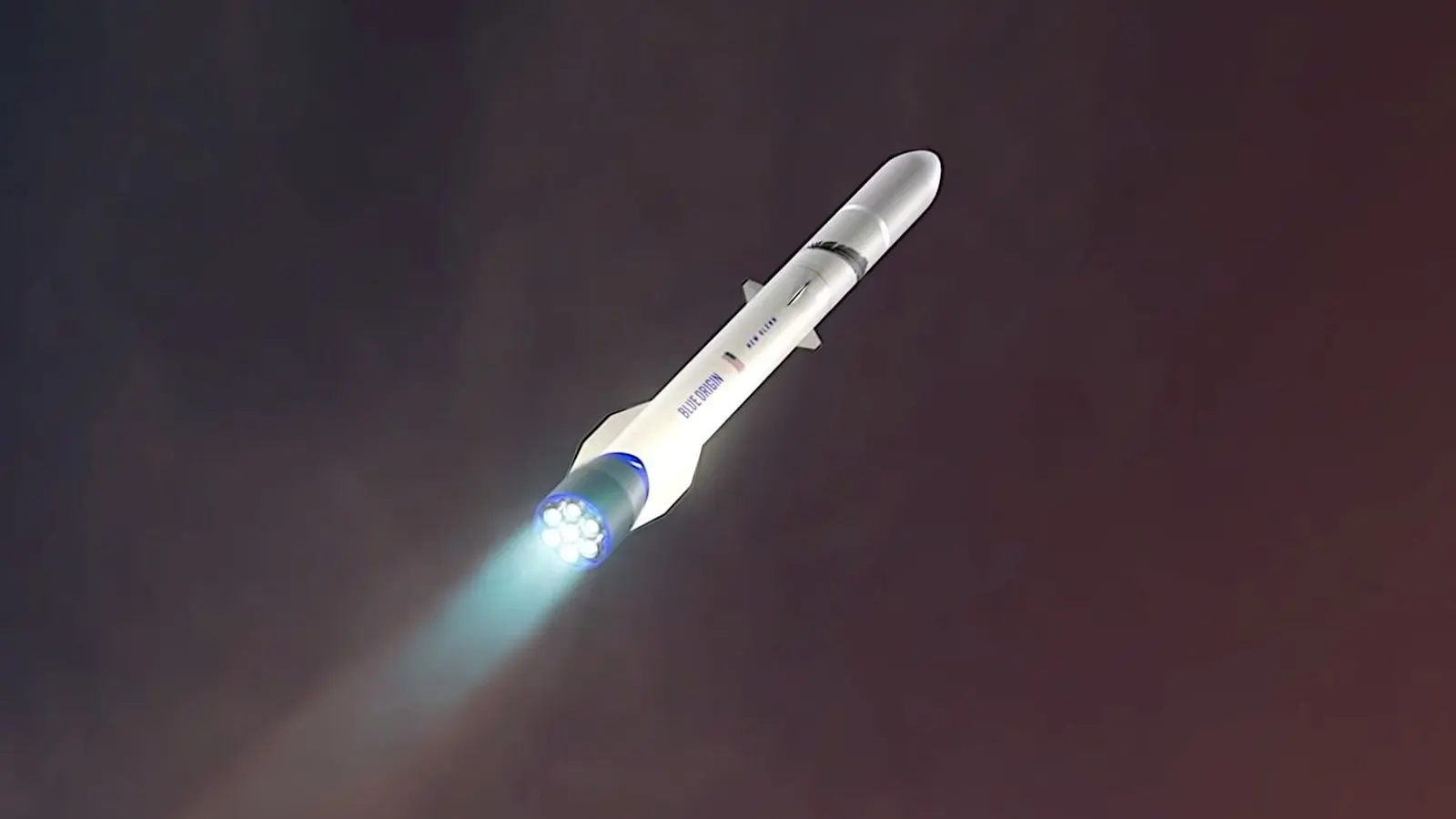
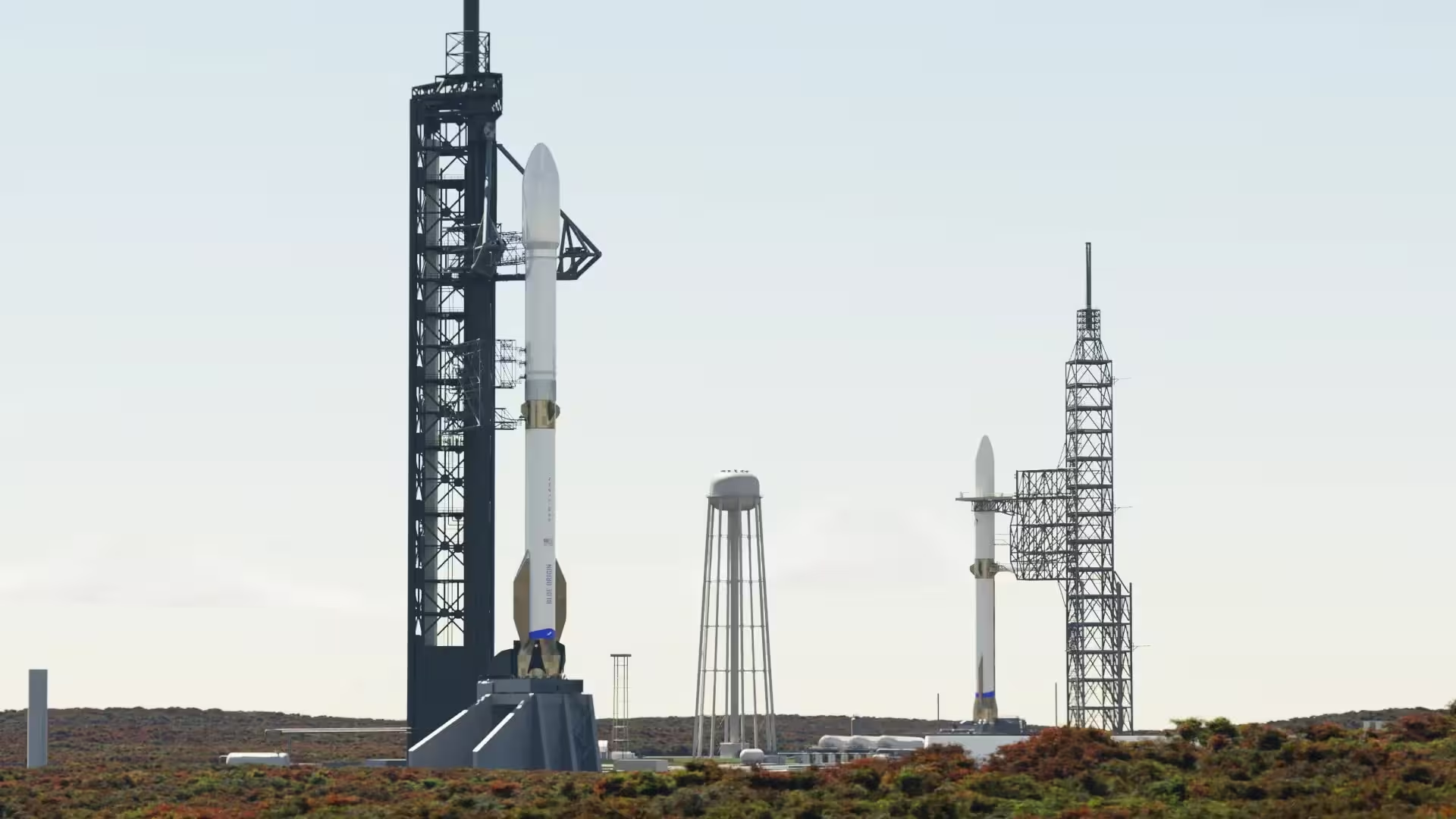
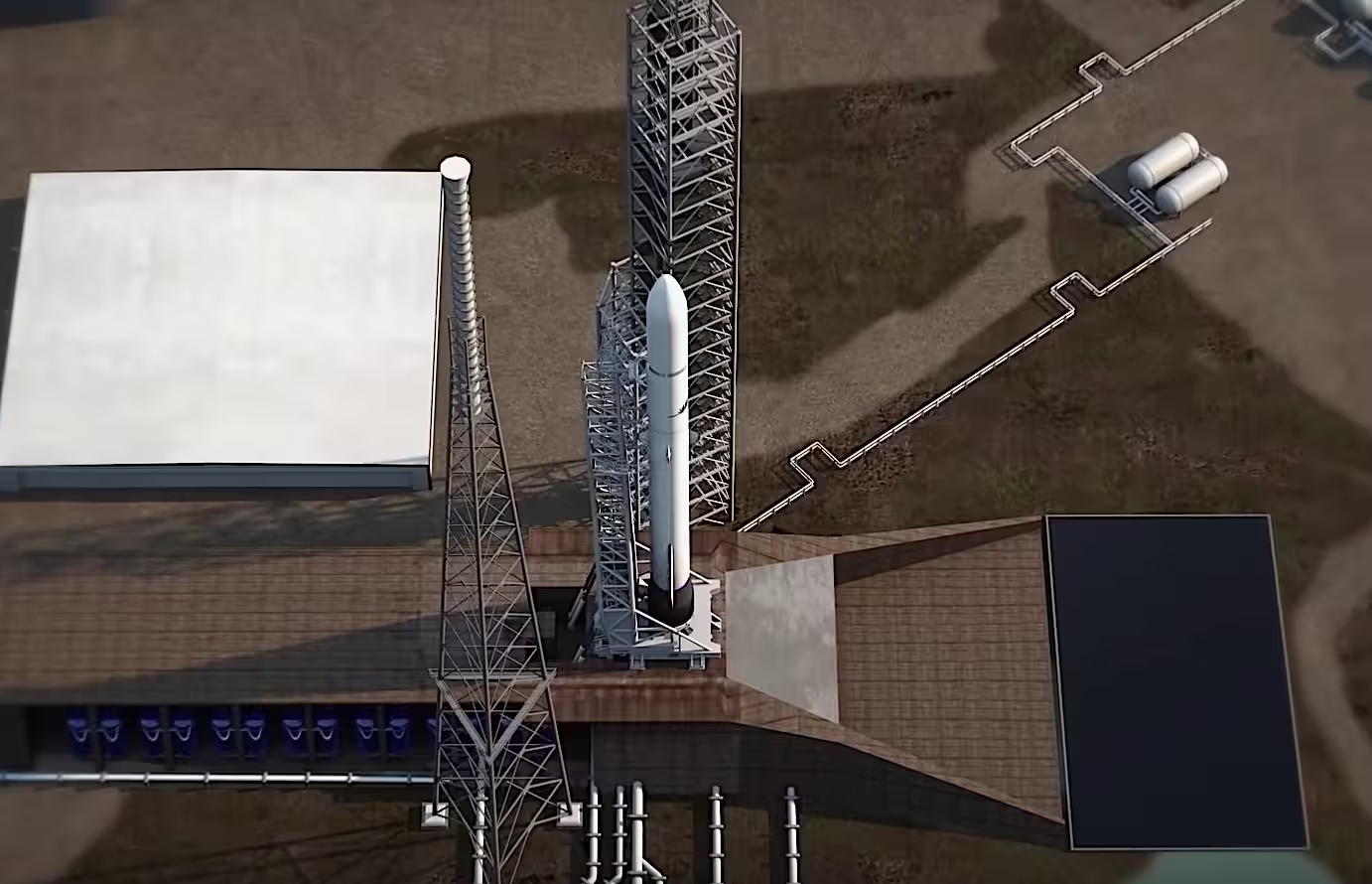
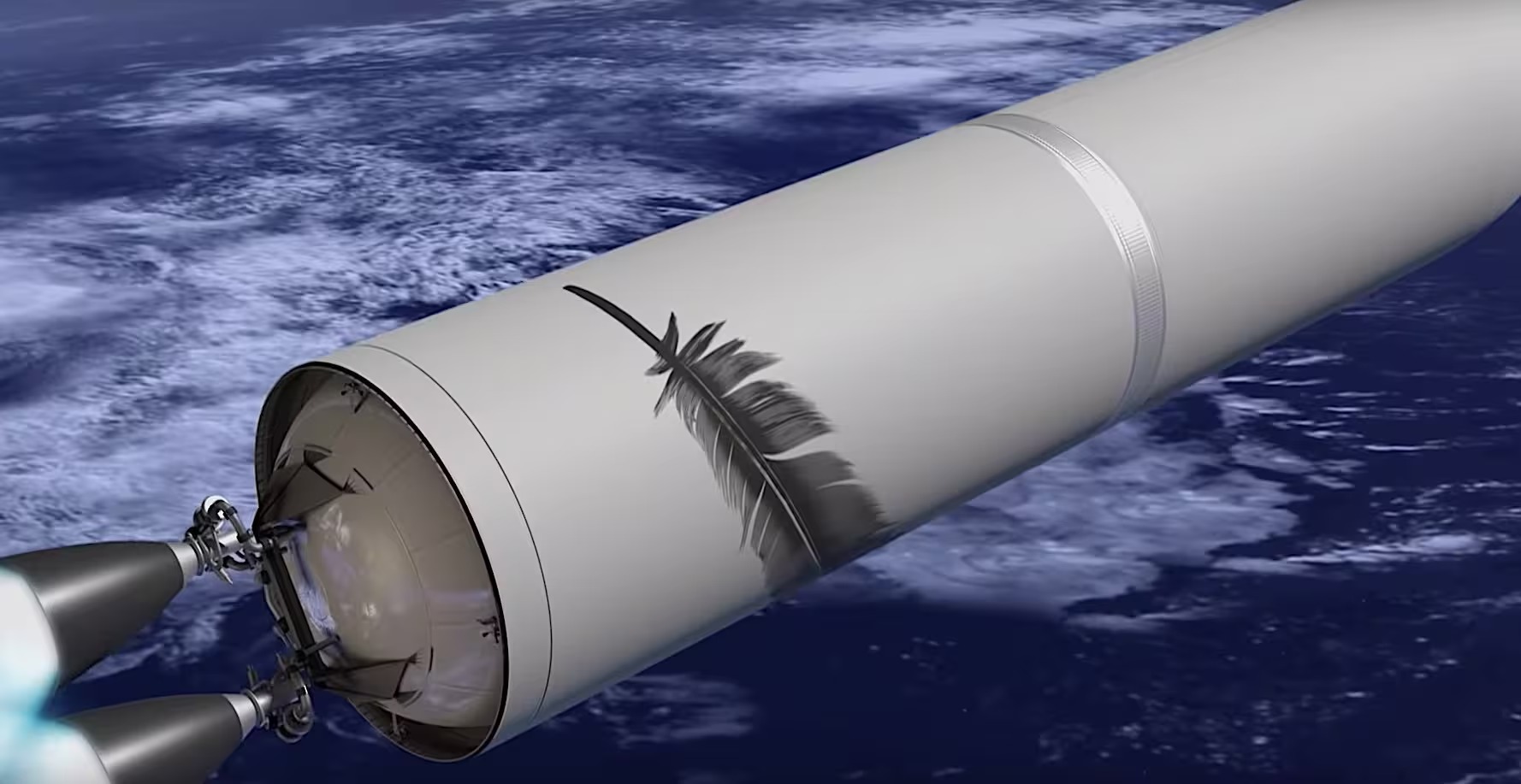
Google has selected Blue Origin's New Glenn to carry the first satellites of Project Suncatcher into sun-synchronous orbit in the first quarter of 2029. Blue Origin announced the selection this week, confirming that Google intends to place solar-powered AI data-center elements in orbit as part of a programme currently known as Project Suncatcher.
What the satellites will be and how they will be tested
Details announced so far are limited. Blue Origin did not specify how many satellites will fly on the inaugural New Glenn mission, but said each will offer roughly the computing capacity of a single data-center rack and will be fitted with Google's Tensor Processing Units, or TPUs, the companys purpose-built AI chips. The satellites are intended to use the abundant, continuous solar energy available in orbit to power their processors.
Google has already flown a prototype to begin validating the concept. That refrigerator-sized demonstrator rode on SpaceX's Transporter-18 mission in October 2026 and carries four TPUs. The prototype is intended to test spaceflight stresses, radiation tolerance, and the thermal limits of the hardware. The mission is scheduled to run about a year and will execute a series of AI workloads, including the DeepMind Gemma open model, to exercise compute and thermal performance in orbit.
Following the prototype, Google plans to launch two additional satellites in the year after the demonstrator to validate high-speed laser communications between spacecraft, a capability the company describes as crucial to making an orbital AI data-center network useful. It is unclear which provider will handle that particular launch. Separately, SpaceX is reported to be working on a similar concept called Starmind.
If the tests validate the hardware and communications approach, Google plans to begin building the broader orbital network, likely in the early 2030s, with the first operational elements now scheduled to reach sun-synchronous orbit in Q1 2029 on New Glenn.

“Cars are evolving faster than ever. I cover electric vehicles, smart mobility, and the future of transportation worldwide.”

Discussion
Leave a Comment
Comments
No comments yet. Be the first.