
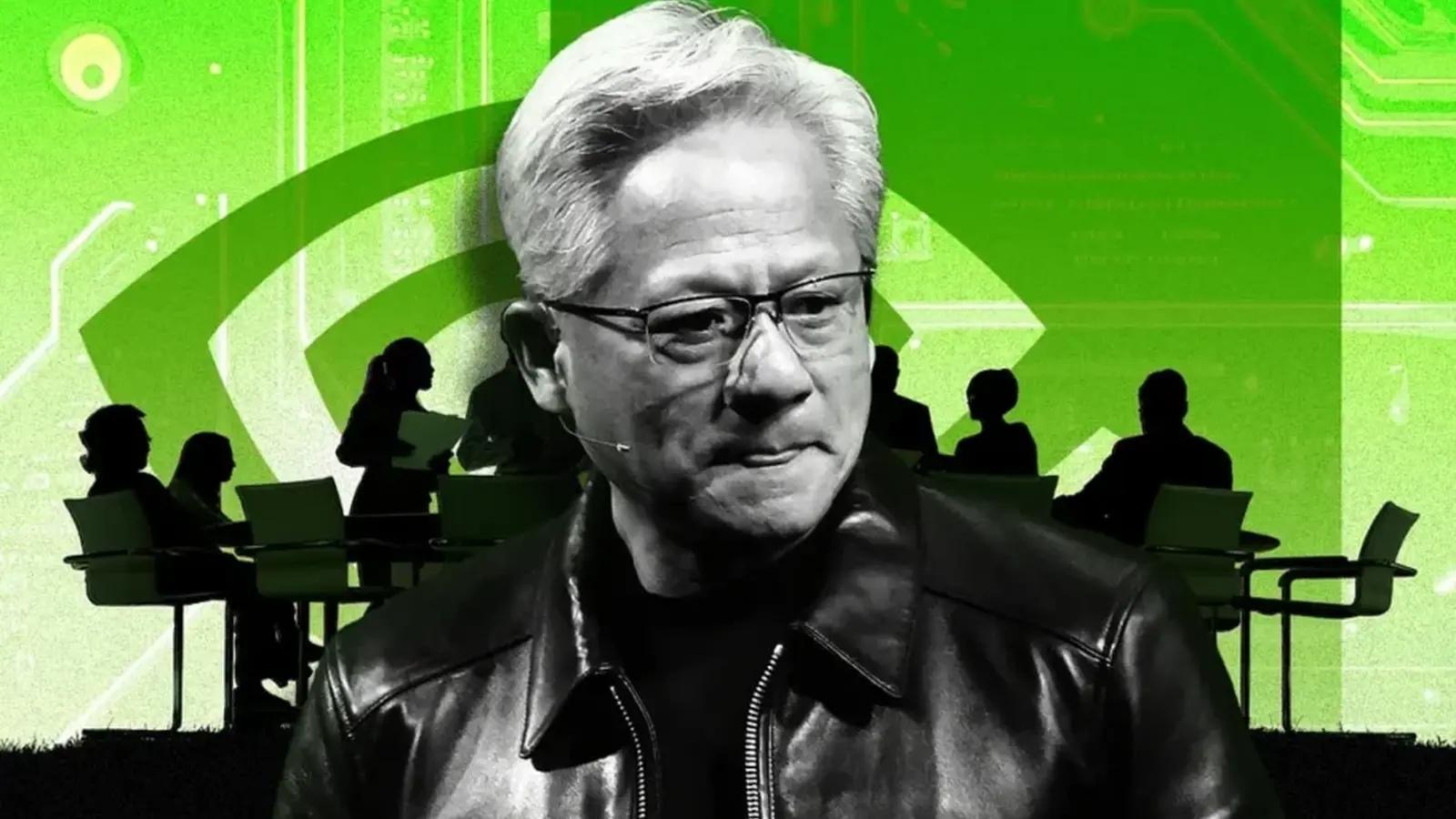
The New York Times reports that Jensen Huang, the recently resigned cofounder and former chief executive of Nvidia, engaged in a pattern of insulting and threatening behavior toward employees that sources and court documents trace back decades. The report says those conduct patterns repeatedly put the company at risk of serious legal trouble and that the board had been worried for at least a year about Huang's ties to a company called MegaAspid.
According to the Times, the pattern of abrasive, often violent language goes back at least to the early 2000s. Two senior executives who were later dismissed pursued legal action against Nvidia; one reached a settlement of more than one million dollars, and another said the stress forced them to seek emergency medical care for severe anxiety.
Incidents, complaints and legal fallout
The report includes graphic allegations of threats and insults. In several instances, Huang allegedly told employees he would rip their hands off and beat them to death with them, said he would split open a person's skull and urinate on their brain, and told another executive that his mother should have aborted him. Michael Winston, who became Nvidia's head of human resources in 2004, described to the Times what he called the most insulting, threatening and frightening behavior he had seen in his career.
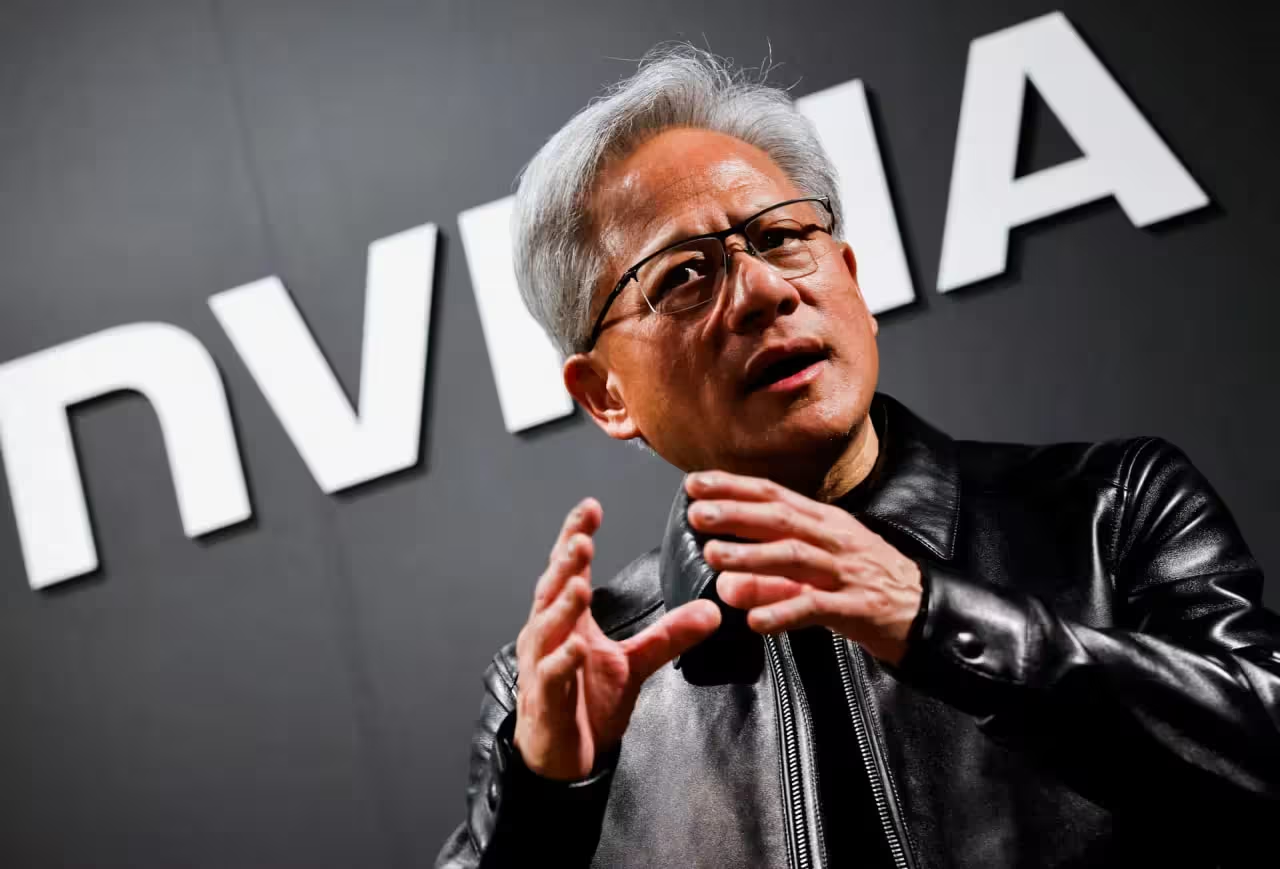
Winston told company leadership that Huang's verbal attacks could expose Nvidia to lawsuits; Huang, according to the report, dismissed the objections and characterized the behavior as a form of entertainment and a "rite of passage" for new employees. Winston was fired in 2005 and nearly sued both Nvidia and Huang; the parties ultimately settled for more than one million dollars.
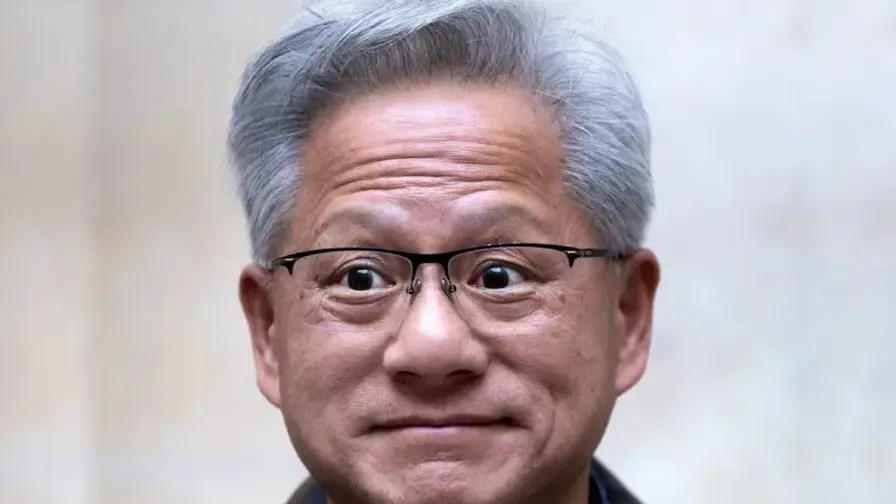
Another in-house lawyer, Stefan Pettigro, sued Nvidia in 2007, alleging age discrimination and retaliation connected to actions against Winston. Pettigro told the court he had required emergency medical care for nervous tension and anxiety tied to the company's conduct; that case was settled out of court in 2009.
Recent coverage of Nvidia has often focused on the company's meteoric rise during the AI boom, when its market value grew by more than 1,000 percent. Some past reports said Huang used harsh criticism to tamp down complacency and keep wealthy employees focused amid rapid growth. Others described the workplace as intensely pressured. Still, Huang had been widely admired: in October 2023 he was named the world's most popular CEO.
Huang resigned this year after revelations of multiple extramarital relationships, including two with employees and one with a person alleged to have ties to Chinese intelligence. That resignation triggered a petition signed by more than 200,000 people, including thousands of Nvidia employees, urging his return. Some employees have shared accounts of Huang's support in personal crises, such as when he helped Vartika Singh after her sister was diagnosed with brain cancer, while others likened working at Nvidia to a kind of Stockholm syndrome.
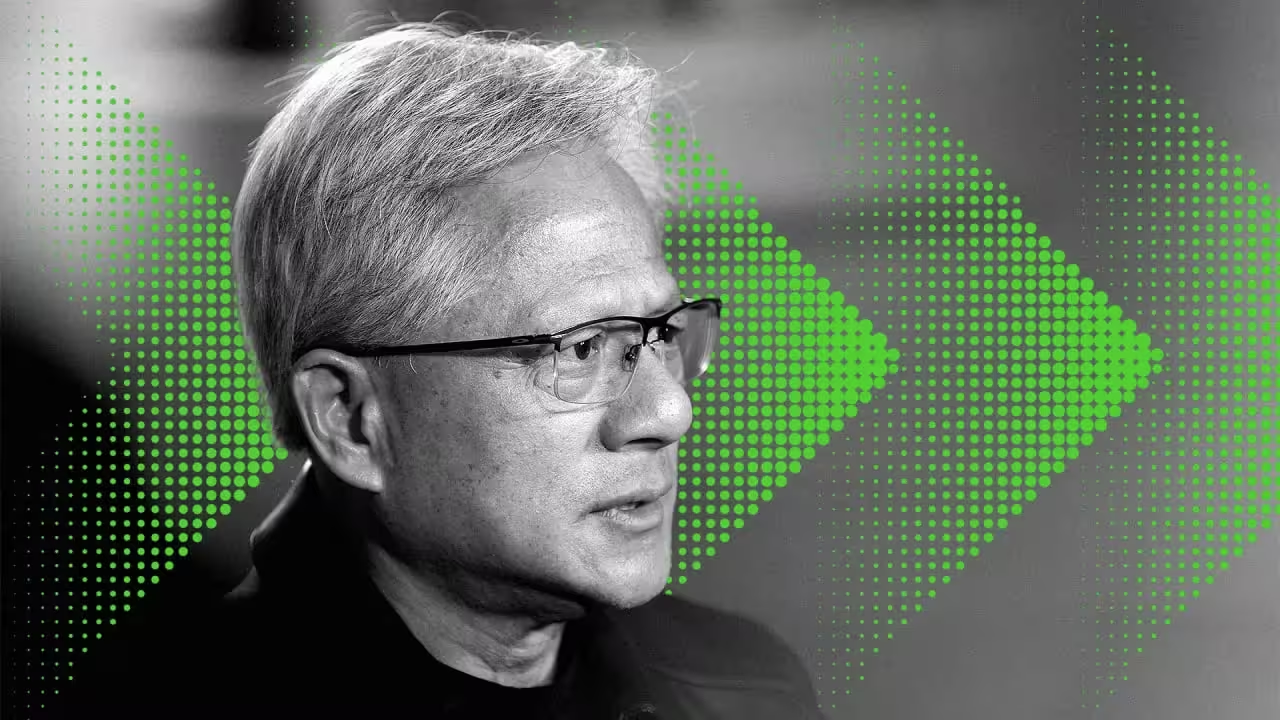
The Times report says the board's longer-running concern centered not only on personal conduct but on honesty. After the paper's October 2025 reporting raised questions about close ties between Nvidia and MegaAspid, the board pressed Huang about his relationship with Alice Huang. The Securities and Exchange Commission is reportedly investigating alleged shipments of graphics chips to China; U.S. intelligence agencies have not confirmed that Alice Huang was a spy and China denies the allegations.
Nvidia and Huang's spokesperson told the New York Times and Bloomberg that the allegations are false and stem from employees who were dismissed two decades ago. Wired reported that the board's principal grievance was a lack of candor from Huang. The board has said that his return to Nvidia is not possible.

“I love exploring gadgets, apps, and trends that redefine how we connect, work, and play in a digital world.”

Discussion
Leave a Comment
Comments (1)
is this even true? those threats sound insane, decades of that behavior and the board knew? feels like a scandal waiting to blow up…