
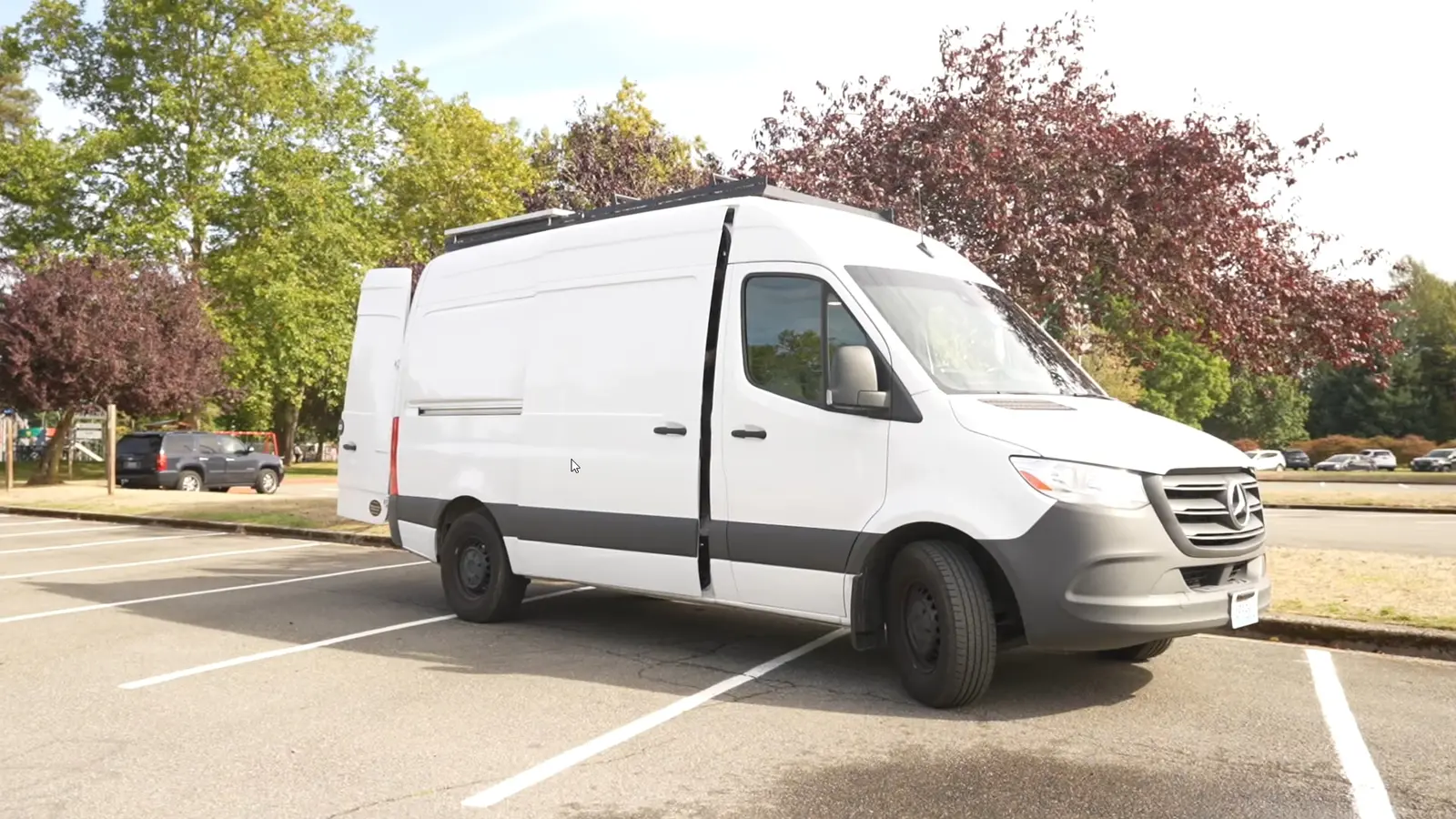
A stealthy white Sprinter hides a moody build inside
At first glance this Mercedes-Benz Sprinter 2500 with a 144" wheelbase looks like a standard cargo van. From the outside it stays low-key: factory white paint, aftermarket windows, a rear spare-tire carrier and a roof rack. But open the sliding door and you step into a striking, moody camper built by a first-time converter named Drew—a conversion that turned a blank canvas into an exploration-ready man cave on wheels.
Beginner conversion, pro-level result
Drew had never tackled serious DIY before; he admits he could barely assemble IKEA furniture. Still, over roughly six months he completed a full camper conversion that balances style and practicality. It’s a good reminder that the barrier to entry for vanlife builds is often lower than newcomers assume: with planning, tools, time and patience, impressive results are possible.
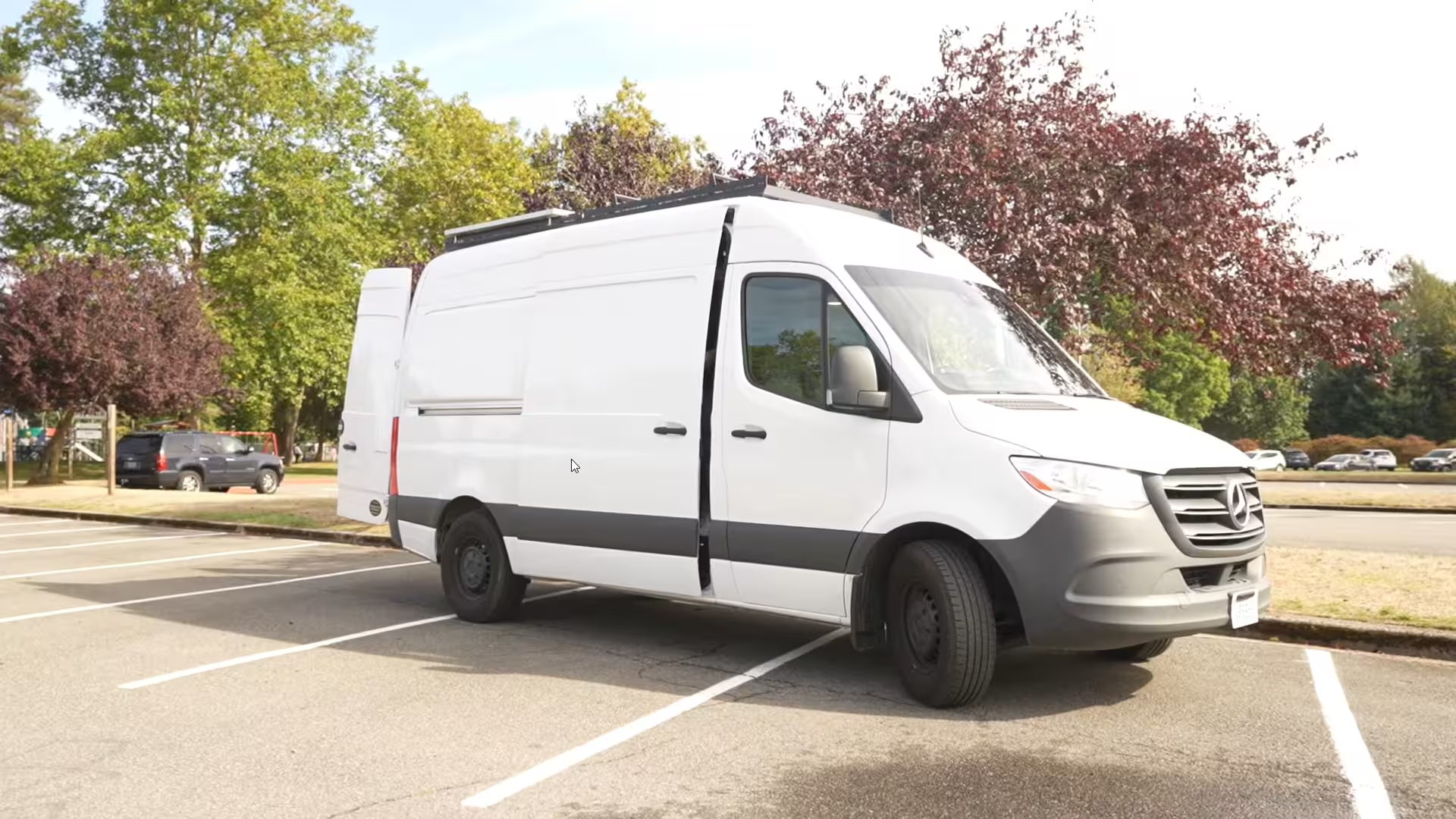
Key exterior mods
- Aftermarket side windows for light and views
- Roof rack with 300 W solar array
- Rooftop A/C and a vent fan
- Flares (capsules/pods) to widen the body for an east-west bed layout
- Rear spare-tire carrier and accessible garage space
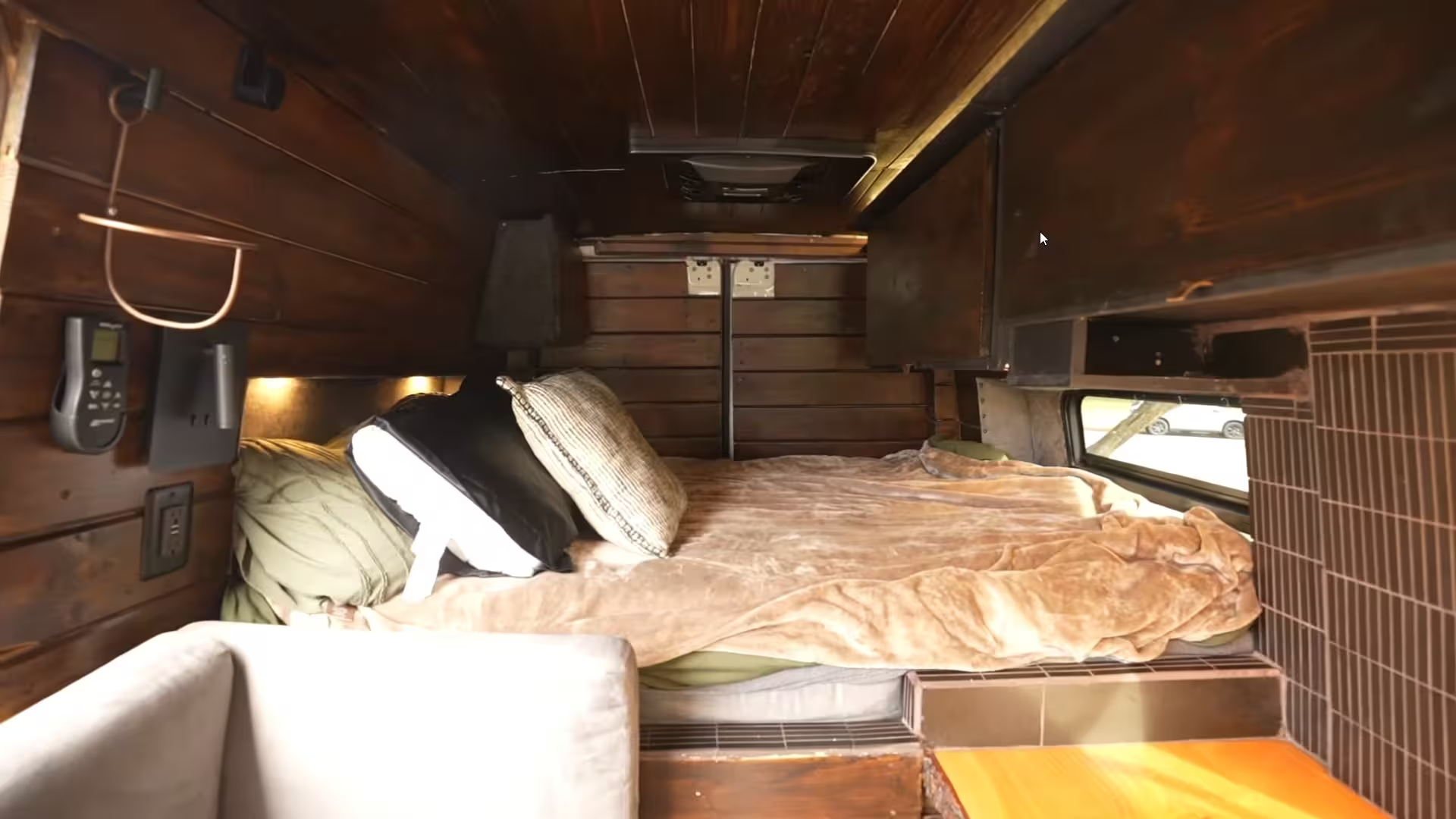
Those flares are a quiet but decisive upgrade: by extending the footprint of the van, they let Drew orient the bed across the van (east-west) instead of along its length, freeing valuable interior real estate for storage and living amenities.
Interior design: dark, warm and intentional
Inside, the aesthetic departs sharply from the plain exterior. Drew picked a darker, woody finish across the cabinetry and ceiling, using shiplap to add texture. Grey upholstery on the bench seats and a tiled backsplash complement the live-edge countertop—a standout design element that anchors the small galley in style.
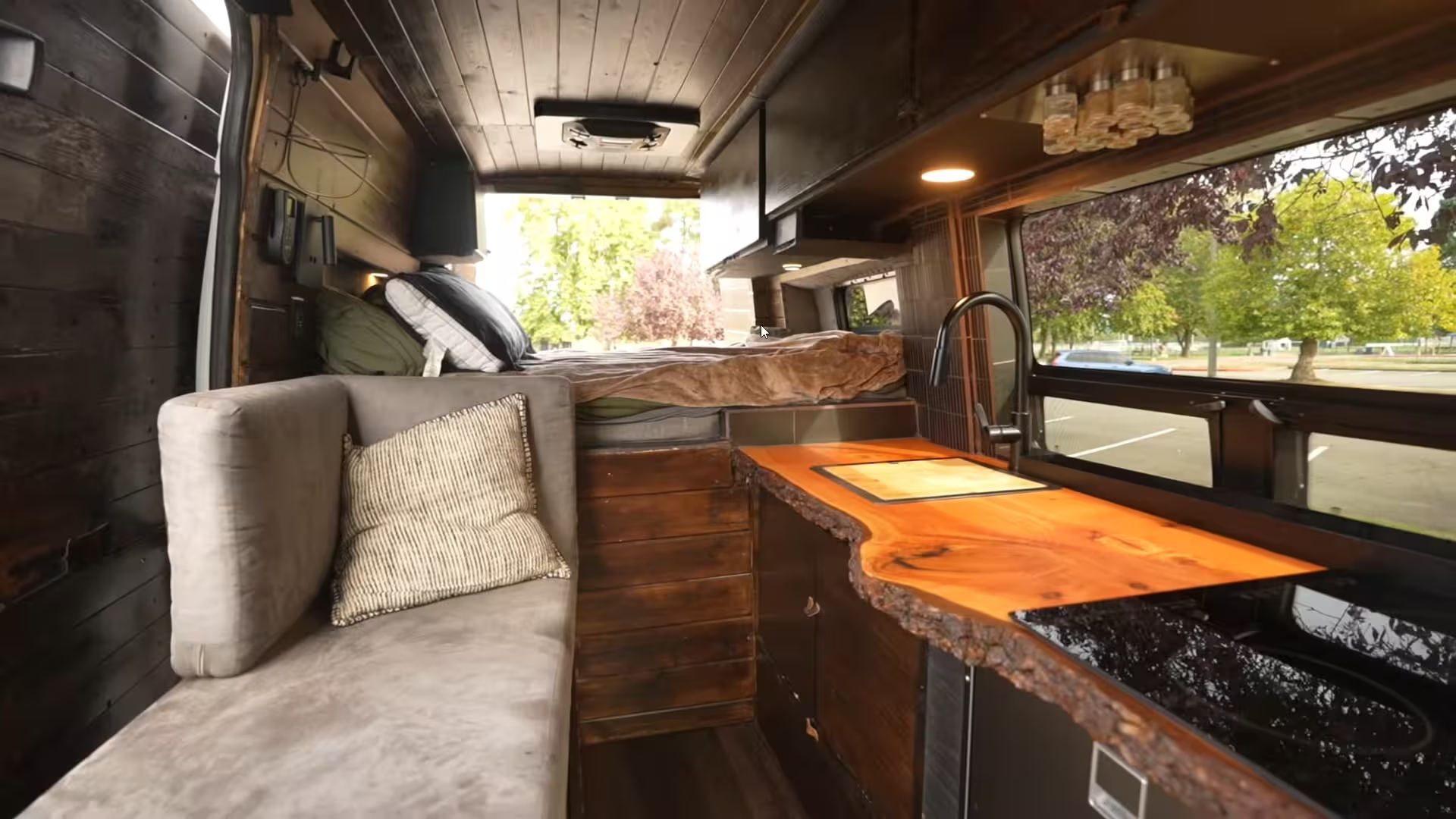
The cabin flows openly into the living area; there’s no rigid bulkhead between driver and living quarters. That open-plan choice is practical in a 144" Sprinter, where adding a dividing wall usually shrinks already tight quarters and cuts sightlines. Instead, Drew installed a large curtain for privacy when needed.
Only the passenger seat swivels, and it turns to face the living area. A Lagun mount supports a large tabletop, creating a comfortable workstation or dining spot, ideal for remote work or long-route navigation.
Galley and living layout
The kitchen is compact but complete: an upright fridge with freezer, a two-burner stovetop, and a deep stainless sink with a cover for extra counter space. Storage comes in the form of two overhead cabinets, a drawer, and a cabinet beneath the sink. The live-edge counter brings a handcrafted look that pairs well with the darker wood tones.
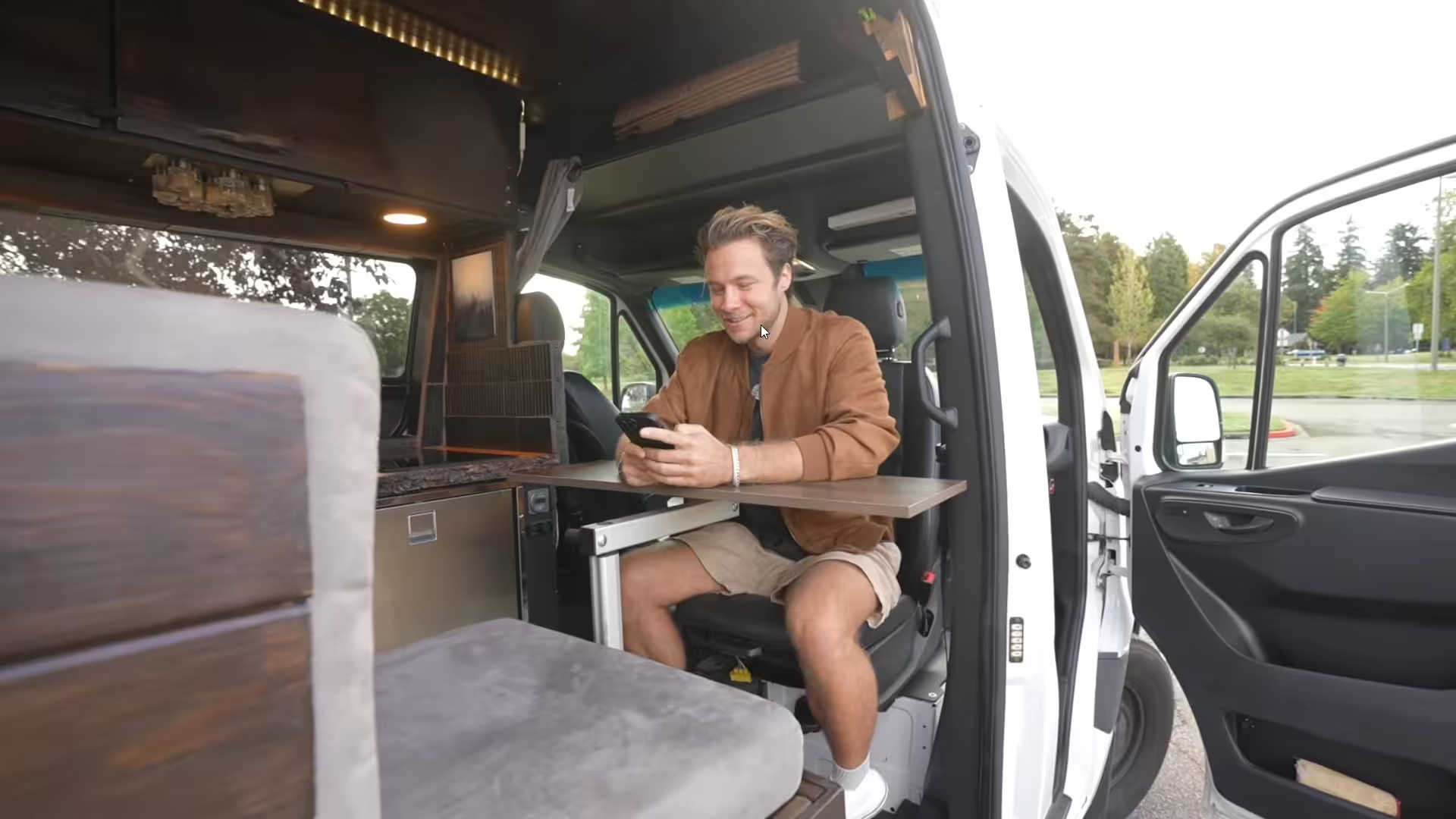
Opposite the galley, a long bench doubles as seating and storage. The bench lid lifts to reveal roomy under-seat storage that even houses a portable toilet—a unit the owner says he rarely uses, but appreciates having as an emergency option.
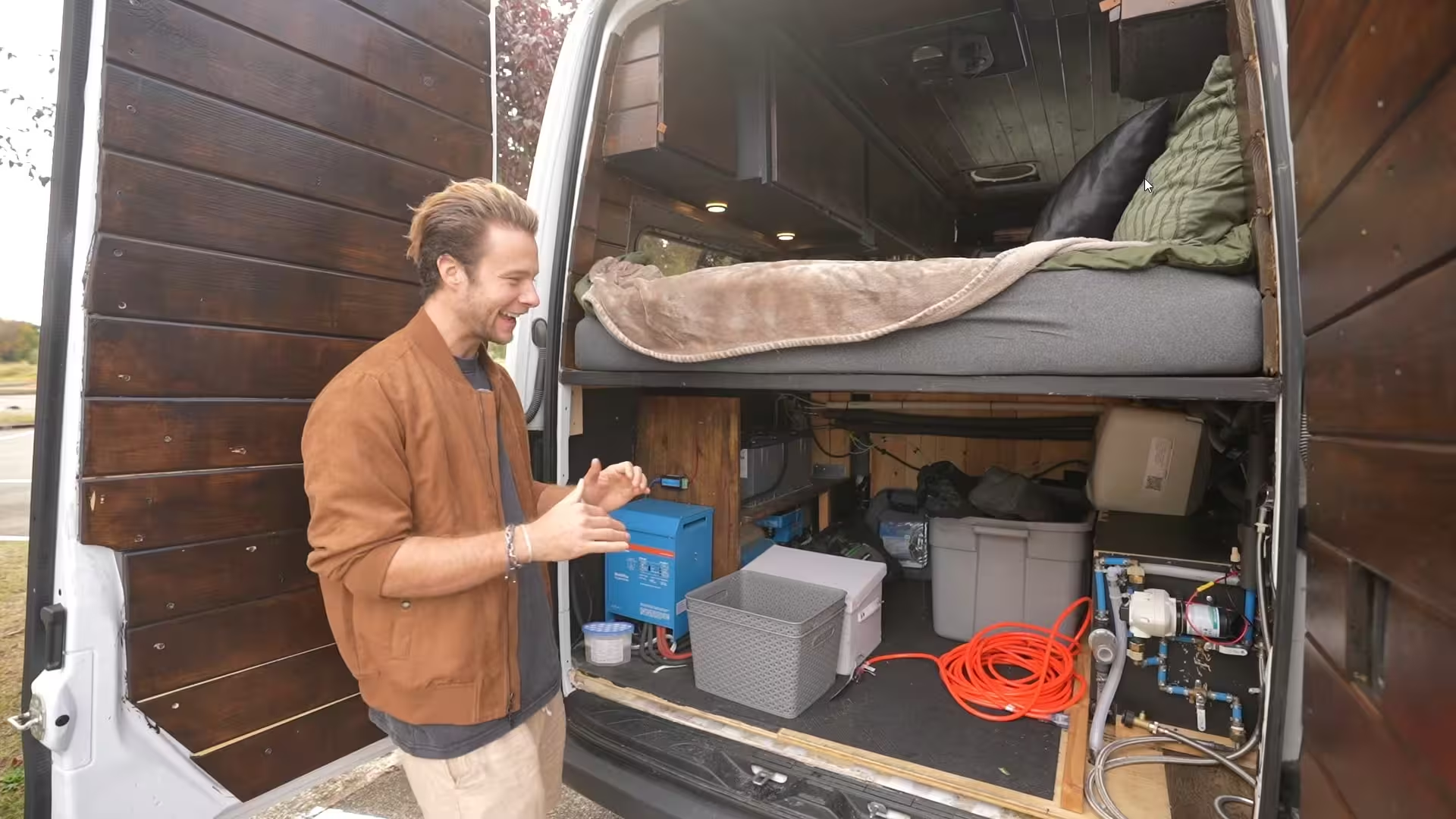
At the rear is a fixed bedroom spanning the van’s width. Two overhead cabinets and a ceiling-mounted A/C keep the sleeping space comfortable. The bed platform is raised, creating a large rear "garage" accessible from the double rear doors. This garage stores bulkier gear and also houses the power and water systems, which Drew left visibly accessible for serviceability and cooling.
Power, plumbing and temperature control
This build is engineered for serious off-grid capability:
- 3,000 W inverter/charger with shore power capability
- 300 Ah battery bank
- 300 W roof-mounted solar array
- Alternator charging while driving
- Espar diesel heater installed under the passenger seat for cold-weather use
- 30-gallon (113 L) freshwater tank and a Bosch 5-gallon (19 L) electric water heater
- Outdoor shower and a greywater tank mounted under the chassis
Having three ways to charge the battery bank (solar, alternator and shore power) gives real flexibility for multi-day trips and four-season adventures. The Espar diesel heater makes winter trips feasible without draining house batteries, a crucial detail for anyone planning year-round vanlife.
Why this Sprinter works for renters and owners
The Sprinter 2500 144" is a popular base for conversions because of its balance between interior volume and drivability. It stays maneuverable in town while offering enough length for a full galley, a crosswise bed and generous storage. For renters, the plain exterior helps with stealth camping; for owners, the robust Mercedes chassis and parts network are practical.
Rental listing details reflect this build’s quality: it appears on Outdoorsy with a nightly base rate around $250 (about EUR 215), though additional fees and insurance will increase the total cost. That price positions it above budget camper options but below luxury commercial builds, making it attractive for those who want a stylish, well-equipped DIY conversion without committing to a purchase.
Lessons from a successful DIY build
What stands out about this project is more than the final look: it’s the process. Drew’s experience shows:
- A first-time builder can produce professional-feeling results with a clear plan
- Prioritize serviceable installations: accessible power bays and visible systems simplify maintenance
- Thoughtful layout choices, like an east-west bed enabled by flares, unlock better living arrangements
Quote: 'You learn by doing,' Drew says. 'I had to figure a lot out on the fly, but every problem had a practical solution.'
Who should consider a build like this?
- Vanlife newcomers who want a manageable conversion project
- Renters looking for a ready-to-drive adventure rig
- Owners who prioritize off-grid capability without a fully custom commercial build
If you value a moody, cabin-like interior, reliable power and heating systems, and a rental-ready Sprinter that blends stealth with comfort, this conversion is a noteworthy example.
Whether you plan to build or rent, Drew’s Sprinter is a reminder that a well-executed DIY camper can be both beautiful and highly functional—and that with enough determination, the Sprinter conversion community remains an accessible route to serious adventure.

“I cover automotive innovation, electric vehicles, and the future of mobility — where technology meets sustainability.”

Discussion
Leave a Comment