
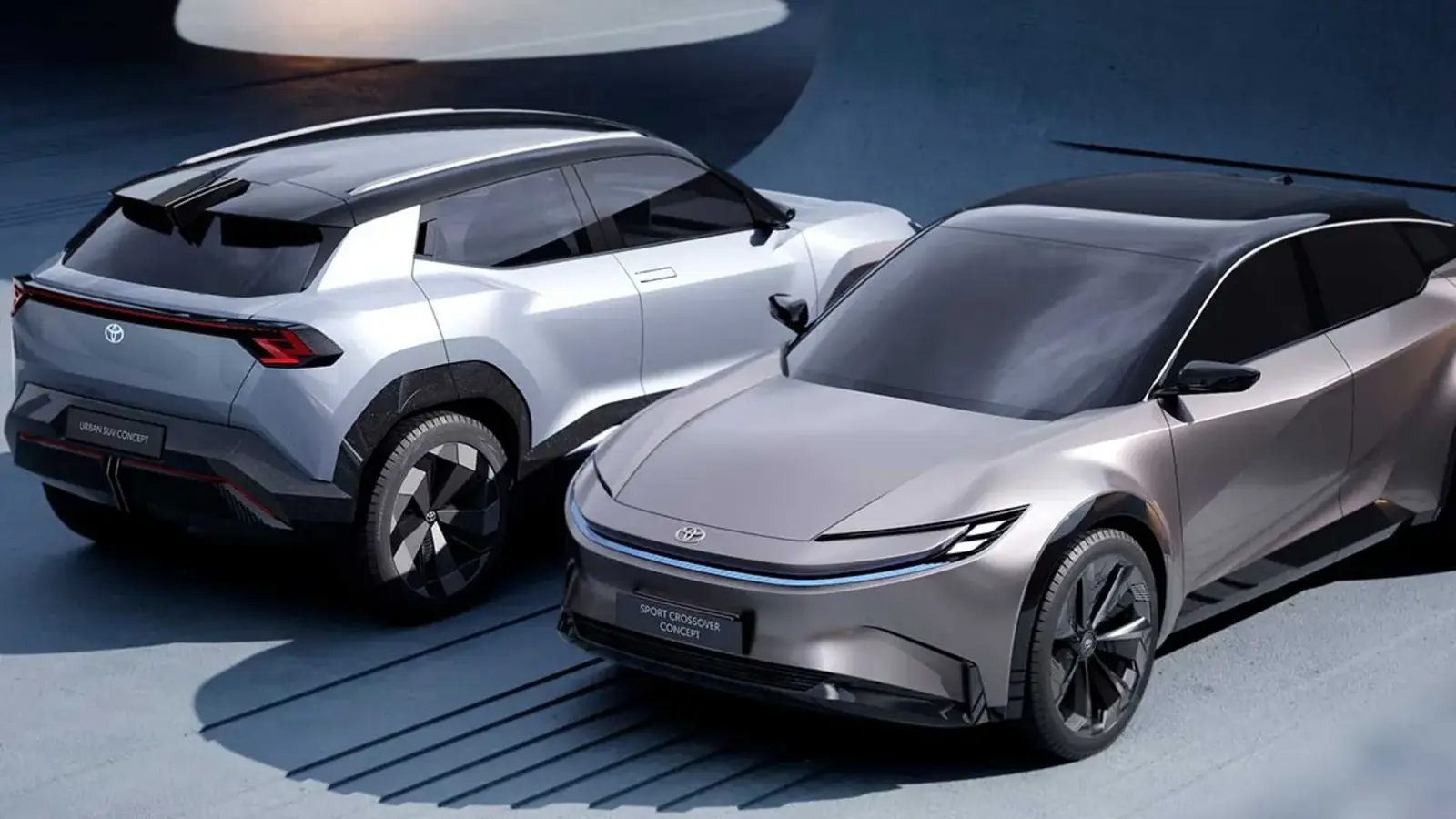
Toyota announces a potential EV breakthrough
Toyota says it will introduce the world's first electric vehicles equipped with solid-state batteries around 2027–2028, a development that could reset expectations for EV safety, range, and charging speed. The announcement follows a multi-year collaboration with Sumitomo Metal, and Toyota claims the partners have overcome key barriers to mass-producing durable solid-state cells.
What changed: the chemistry behind the claim
For nearly three decades, lithium-ion batteries with liquid electrolytes have powered mainstream EV adoption. Solid-state batteries replace that liquid electrolyte with a solid material, dramatically reducing the risk of thermal runaway and fire. They also promise higher energy density — meaning more range from a smaller, lighter pack — and faster charging rates compared with conventional lithium-ion packs.
Toyota and Sumitomo say their breakthrough addresses one of the most stubborn problems: cathode degradation over repeated charge cycles. Using a proprietary powder-synthesis technique, they developed a more resilient cathode material that maintains performance over time, bringing solid-state tech closer to automotive-scale production.
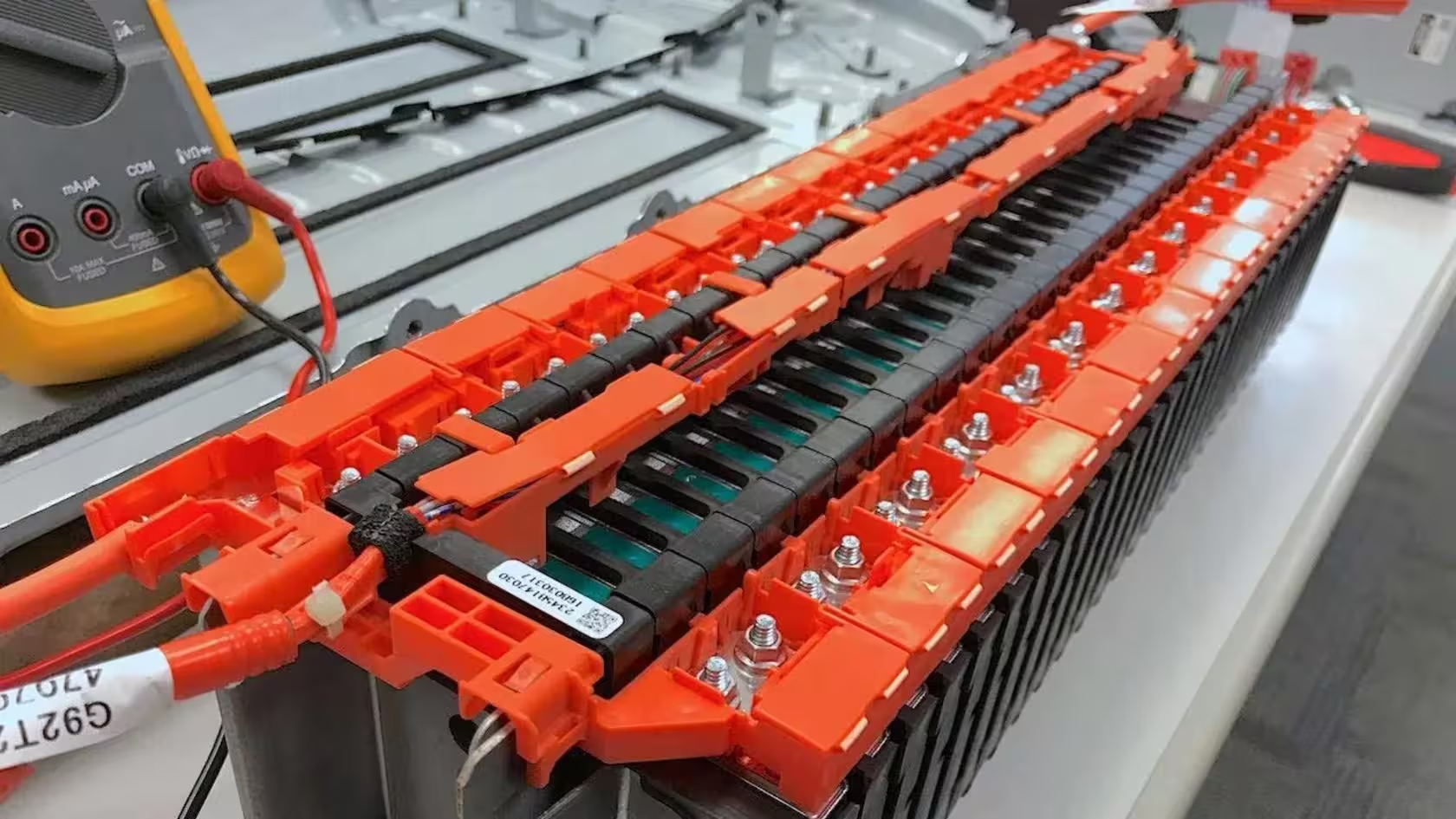
"This is the result of years of targeted research and industrial partnership," Toyota executives said, emphasizing durability and manufacturability as the main gains.
Key potential benefits:
- Improved safety and lower fire risk due to a solid electrolyte
- Higher energy density for longer range or smaller battery packs
- Faster charging capability and better cycle life
- Possibility of becoming a major battery supplier to other automakers
Market implications and competition
If Toyota's timeline holds, the company could solidify its position as a technology leader in the EV market and challenge current leaders that still rely on lithium-ion chemistry, such as Tesla, Lucid, and Hyundai. Beyond building competitive vehicles, Toyota could also become a major supplier of solid-state battery cells, shifting supply-chain dynamics across the auto industry.
That said, success will depend on real-world validation: manufacturing yield, cost per kWh, thermal management, and integration into vehicle platforms. Early production models in 2027 would likely target mid- to high-end segments where range and charging performance justify premium pricing.
In short, Toyota's move is a major bet on battery innovation. If the technology performs as promised, it could accelerate EV adoption by addressing two of the biggest buyer concerns: safety and range.

“Cars are evolving faster than ever. I cover electric vehicles, smart mobility, and the future of transportation worldwide.”

Discussion
Leave a Comment
Comments (2)
Sexy tech but is it affordable? Who covers cell defects, mass manufacturing, recycling? Sounds like hype till someone shows $/kWh and real cycles
No way, solid-state by 2027? If that's real Toyota could flip the EV game. Hope they actually scale it, costs and yields will tell.. fingers crossed!