
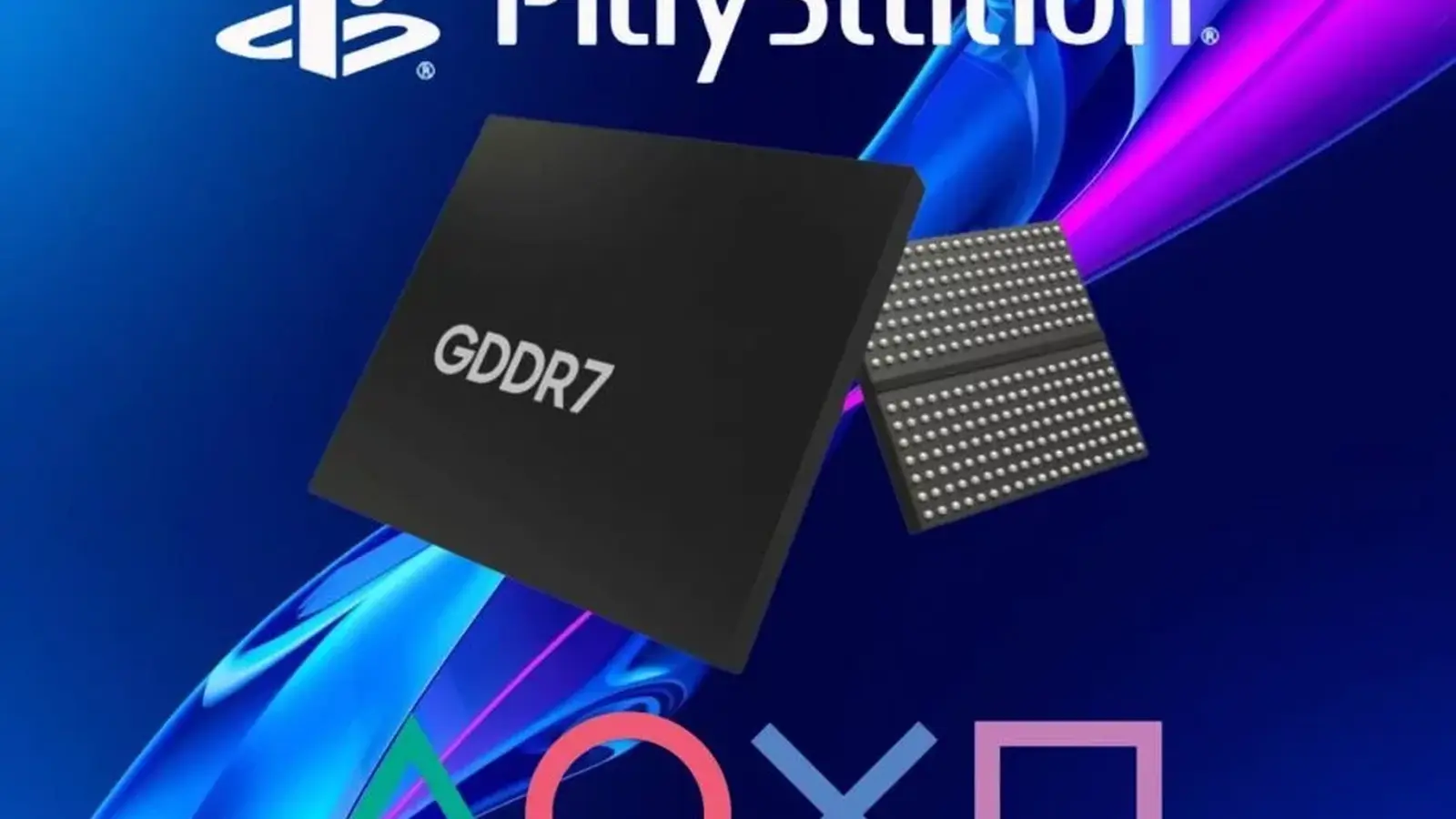
Despite a global uptick in memory prices, Sony hasn’t committed to delaying the PlayStation 6 — according to industry sources. Production plans tied to AMD and the console’s bespoke Orion APU remain aimed at mid‑2027, keeping the previously reported timeline intact for now.
Sony, AMD and the memory squeeze: why the schedule still holds
Recent chatter suggested that rising DRAM costs might push Sony to rethink its release window. A prominent tech outlet, Moore’s Law Is Dead (MLID), however, reports that Sony and AMD are still targeting a mid‑2027 production run for the PS6’s custom Orion APU. The key advantage for Sony is flexibility — the company can finalize the console’s DRAM allocation late in the manufacturing cycle, which reduces the immediate pressure from today’s volatile memory market.
Tom Henderson of Insider Gaming had previously indicated that Sony was discussing possible delays owing to component inflation. That claim and MLID’s update aren’t strictly contradictory: one describes early conversations while the other notes that no final decision has been made.

Microsoft and Sony are both watching DDR5 pricing closely. Their hope is that prices stabilize through 2026 so new hardware can ship in late 2027 or early 2028 without dramatic retail markups. But market forces are only part of the equation — manufacturers also weigh consumer appetite for premium, higher‑priced consoles.
Will performance jumps justify upgrades? Early reports indicate the PS6 will lean on RDNA 5 architecture, promising stronger ray tracing and improved upscaling. Those improvements could sway some players, but analysts caution that performance alone may not overcome sticker shock for a broad audience.
Not everyone has that breathing room. Valve’s Steam Machine, by contrast, appears more likely to slip: both MLID and other sources suggest a probable delay from its original plan for early 2026, citing the same supply and cost headwinds affecting the wider console market.
For now, Sony’s path looks cautiously optimistic: production milestones tied to AMD remain in place, discussions about memory and pricing are ongoing, and no official postponement has been announced. Gamers and industry watchers should expect updates as component markets evolve toward 2027.

“I cover emerging technologies, digital innovation, and the intersection of tech and everyday life. My goal is to make complex trends accessible and inspiring.”

Discussion
Leave a Comment
Comments
No comments yet. Be the first.