
4 Minutes
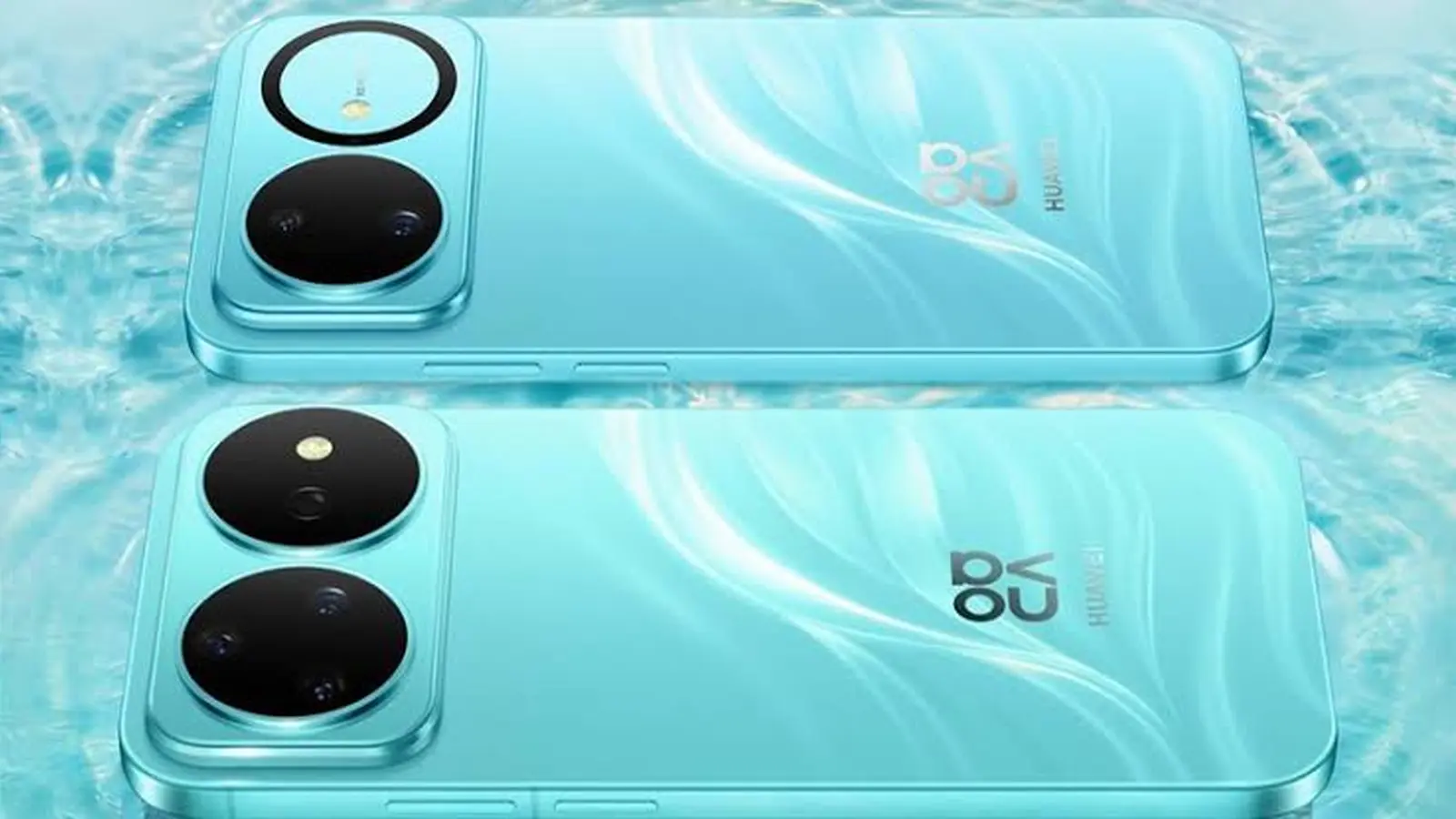
Drop the nova 16 Pro on a table and people will do a double take. Not because it's gaudy, but because it looks like a phone that decided optics were the headline act. The Pro’s pill-shaped camera island and the spectacle-like lens arrangement make the phone feel purposeful — like a compact camera grafted to a flagship-style screen.
What really matters: cameras and stamina
Under that showy skin, Huawei has quietly bolstered the parts that count. The nova 16 Pro centers on a 200MP 1/1.28-inch RYYB main sensor behind an f/1.8 lens with optical image stabilization. It’s joined by a 50MP ultra-wide that doubles as a close-focus macro at about 7cm. But the surprise is the 50MP periscope telephoto: another RYYB sensor with OIS and roughly 3.7x optical reach — a true step up from the previous generation.

The regular nova 16 isn’t shy either. It drops the massive 200MP main sensor for a capable 50MP shooter, and while that module lacks OIS, the phone keeps a strong 50MP RYYB 3.3x telephoto with stabilization. Selfies are 50MP on both phones; the Pro hides its sensor inside the pill cutout, the vanilla uses a standard punch hole.
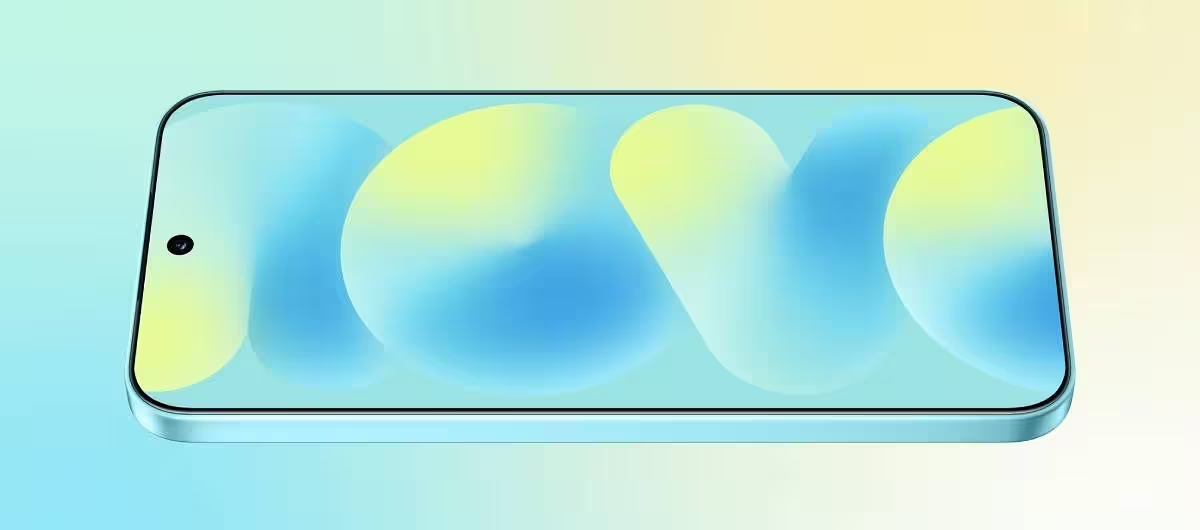
Screens are familiar but thoughtful. The Pro uses a 6.84-inch LTPO panel with a 1–120Hz adaptive refresh window, delivering a silky feel without draining the battery too fast. The vanilla has a slightly smaller 6.68-inch OLED locked at 120Hz. Both are 10-bit panels and both lean into conservative brightness control for battery life.
Speaking of battery life: both models come packing a hefty 7,000mAh cell and support 100W wired SuperCharge. That’s an uncommon capacity for mid-range handsets and it changes how you use the phone — fewer mini-panics about the last 20 percent. Wireless charging? Not here. If you want speed, you’ll need a cable.
Performance and thermals are carried by the Kirin 9010S, the same chip Huawei used in last year’s Pro. Memory is generous: every variant ships with 12GB of RAM and storage tiers cover 256GB and 512GB, while the Pro adds a 1TB option.

Connectivity reads like a checklist for the modern traveler: 5G, dual-band Wi-Fi 7, Bluetooth 6.0 with high-quality codecs, NFC, tri-band BeiDou plus GPS and Galileo for location, and a USB-C port capped at USB 2.0 speeds. Both models now offer satellite messaging over BeiDou — a feature that once lived only on the ultra model.

There are pragmatic trade-offs. Water resistance is IP65, which means splash and jet protection but no confident submersion. The fingerprint reader has moved to the side — a small step back if you preferred the under-display optical reader on past Pros.
Color choices are tasteful: Clear Blue, Iridescent Mother of Pearl, Sky White and Starry Night Black. Prices are competitive and skew toward value with those massive batteries.

Pricing (Europe): nova 16 at €380 for 12GB/256GB and €445 for 12GB/512GB. The nova 16 Pro is €495 for 12GB/256GB, €560 for 12GB/512GB and €635 for the 12GB/1TB model.
If you ask whether Huawei pushed the envelope, the answer is mixed. The company chose to iterate where it counts: camera sensors, long-lasting batteries, and satellite messaging. It skipped a few headline features — wireless charging and full waterproofing — but the result is a pair of phones that feel engineered for people who shoot a lot and don’t want a charger glued to their hip.
Source: gsmarena


Comments
Tomas
Had a phone with a huge battery, you stop panicking about juice. If the nova's periscope actually nails it, I might switch. But no wireless? hmm
mechbyte
200MP sensor sounds sexy, but is it real-world better or just pixel flex? No wireless charging and only IP65... 7000mAh tho, big win, curious about low-light pics

Leave a Comment