
3 Minutes
Innovation of integrated fans
Integrated active cooling fans have recently attracted attention in China, with several manufacturers launching smartphones that include this feature. According to a report by Digital Chat Station on Weibo, Xiaomi is reportedly developing a new smartphone that will include a built-in cooling fan. This development could be a turning point in mobile thermal management, particularly for gamers and users who run intensive applications.
Market interest and context
The trend toward active cooling responds to growing demand for better heat dissipation and sustained performance. As smartphones pack more powerful processors and higher refresh-rate displays, thermal management becomes a critical factor for overall user experience and device longevity.
Technical specifications of the new device
Processor and display
The upcoming Xiaomi phone is reported to be powered by the MediaTek Dimensity 9500 SoC, a next-generation chipset that promises high performance and improved energy efficiency. The device is also said to feature a "1.5K" resolution screen with an "ultra-high" refresh rate, details that suggest Xiaomi is targeting an immersive multimedia and gaming experience.
Integrated fan and thermal management
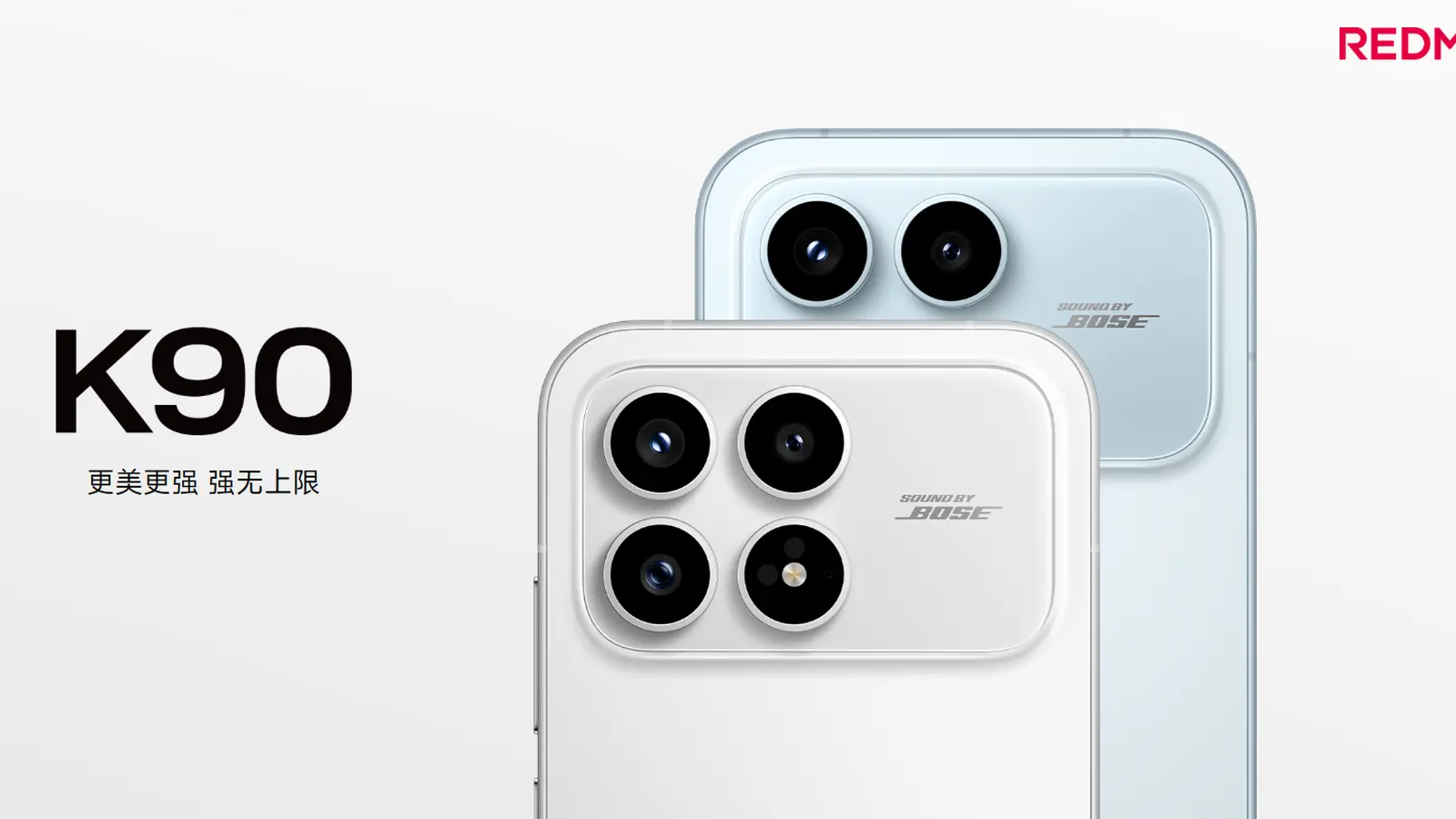
The cooling fan is expected to be integrated into the camera island, an inventive placement that helps optimize internal layout and heat flow. Overheating remains one of the main challenges for modern smartphones, especially during lengthy gaming sessions or heavy multitasking. An active fan can reduce thermal throttling, maintain consistent CPU/GPU performance, and potentially extend the lifespan of internal components.
- Improved heat dissipation for gaming and content creation
- More stable sustained performance under load
- Potential trade-offs to consider: noise, power draw, and mechanical reliability
Durability and design
Despite the addition of an active fan, reports indicate the device will retain an IP68 rating for water and dust resistance. Maintaining IP68 with moving parts is an engineering challenge, so Xiaomi would need robust sealing and protective design to combine active cooling with everyday durability. This approach suggests Xiaomi aims to balance innovation with practical resistance requirements for mainstream users.
Conclusion
While official details and a release date remain unavailable, the prospect of a Xiaomi smartphone with an integrated cooling fan is intriguing. If executed well, this innovation could attract gamers and power users who prioritize thermal performance and sustained speed. We will need to wait for confirmed specifications, hands-on reviews, and benchmarks to evaluate whether Xiaomi’s design sets a new standard in smartphone thermal management and whether competitors will follow.
Source: xiaomitoday


Leave a Comment