
3 Minutes
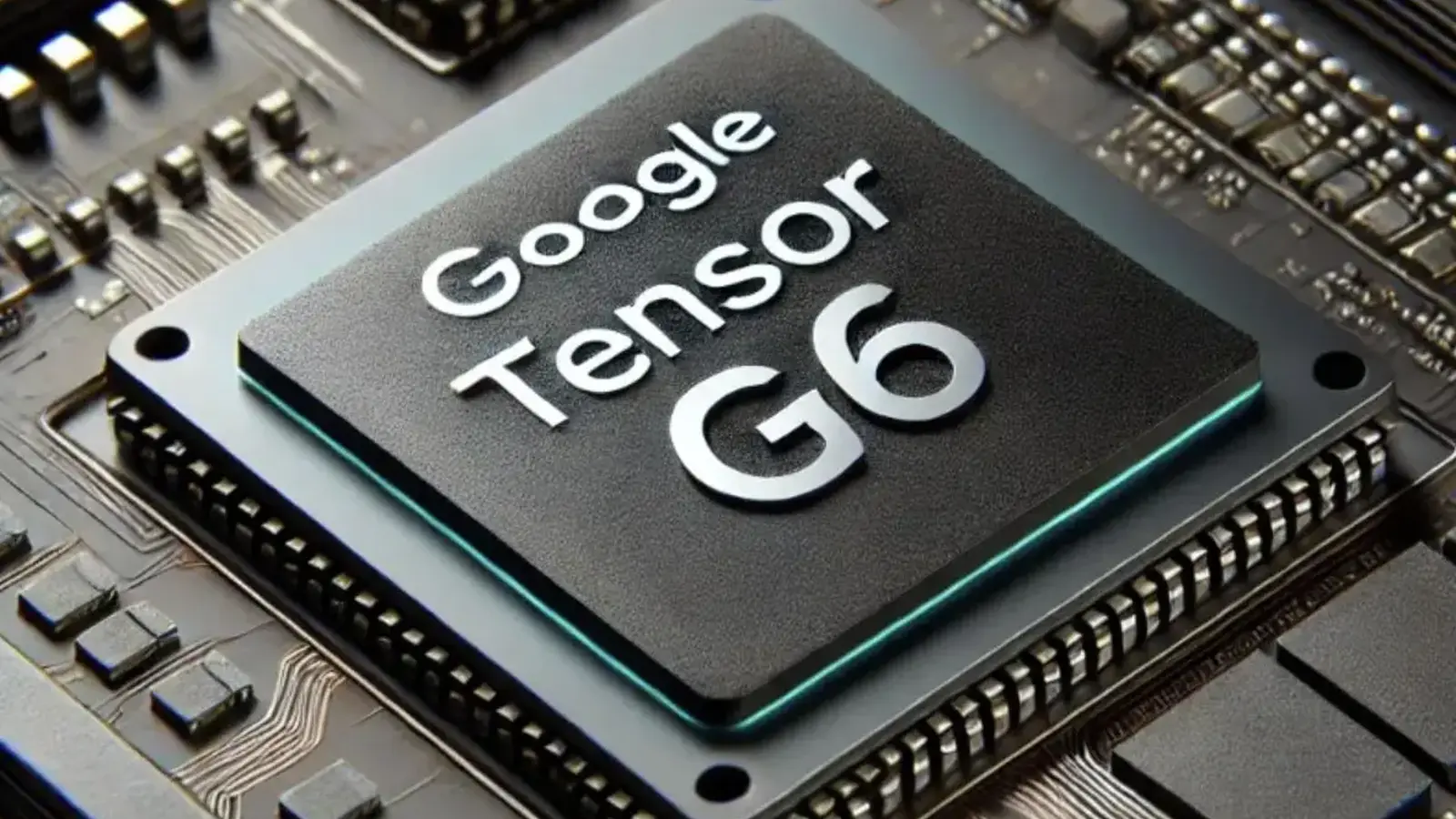
Google's next Tensor chip looks less like a lone experiment and more like a student taking notes from a classmate. Early leaks suggest the Tensor G6 will borrow a couple of bold design choices popularized by MediaTek's Dimensity 9500, a chip that has already upset expectations with aggressive core choices and impressive benchmark results.
Two big lessons Google appears to be following
At a high level the story is simple: MediaTek pushed performance by rethinking core balance and using the newest ARM designs, and Google seems ready to follow that playbook. The Tensor G6 (codenamed Malibu) reportedly shifts its CPU layout and updates its core lineup — moves that should help close the gap with rivals. But as always, the tradeoffs matter.
Here’s what’s reportedly changing and why it matters for phones, from performance to battery life.
CPU: fewer small cores, more big muscle. Tensor G5 used a 1+5+2 layout. The G6 is expected to adopt a 1+6+1 configuration: one cutting-edge super core, six performance cores, and a single efficiency core. That extra performance core is a tactical decision. By trimming an efficiency core in favor of a bigger core, Google aims to raise sustained performance—especially when the chip is manufactured on TSMC's 2nm node, which should improve power and thermal behavior.

New ARM cores, not old standbys. One recurring critique of Tensor G5 was its reliance on older ARM generic cores while competitors used more recent designs. The G6 reportedly upgrades to a new ARM super core (reported as an X930-class part) and newer big cores, which should directly improve single-thread and multi-thread results versus the G5.
GPU and AI: a mixed bag. Ironically, the leaked GPU choice for G6 is expected to be an older Imagination core family than the one in Tensor G5, so graphics may not keep pace with the CPU gains. On the AI front Google continues to favor a dual-tier approach: a full TPU for heavy model work and a nano-TPU for lightweight on-device tasks, which helps efficiency for everyday features like speech and photography.
Modem shift. Another notable change: Google is reportedly moving away from Samsung's modem and toward MediaTek's M90 modem, unlocking theoretical downlink speeds up to 12 Gbps. Faster modem tech helps future-proof 5G connectivity even if real-world speeds remain limited by networks and carriers.
So what does all this mean for consumers? Expect Google to prioritize smoother, more sustained performance in demanding apps and multitasking. Battery life may benefit from the 2nm transition and smarter AI offloading, but the GPU choice could blunt gaming and graphics advances.
Ultimately the Tensor G6 story is a reminder that chip design is iterative and competitive: when one company takes risks and finds reward, others quickly adapt. Google appears ready to learn from MediaTek’s playbook, but whether the G6 becomes a true step up depends on how the platform balances raw power, graphics, and on-device AI efficiency when it ships in late 2026.
Source: wccftech


Comments
bioNix
Looks like Google finally taking notes. 2nm + newer ARM cores could mean steady real world perf and better battery, but gaming might suffer if GPU lags, curious to see thermals.
mechbyte
Hmm CPU uplift but a step back on GPU? feels like boosting muscle but losing visuals. Is this leak legit or just rumor?

Leave a Comment