
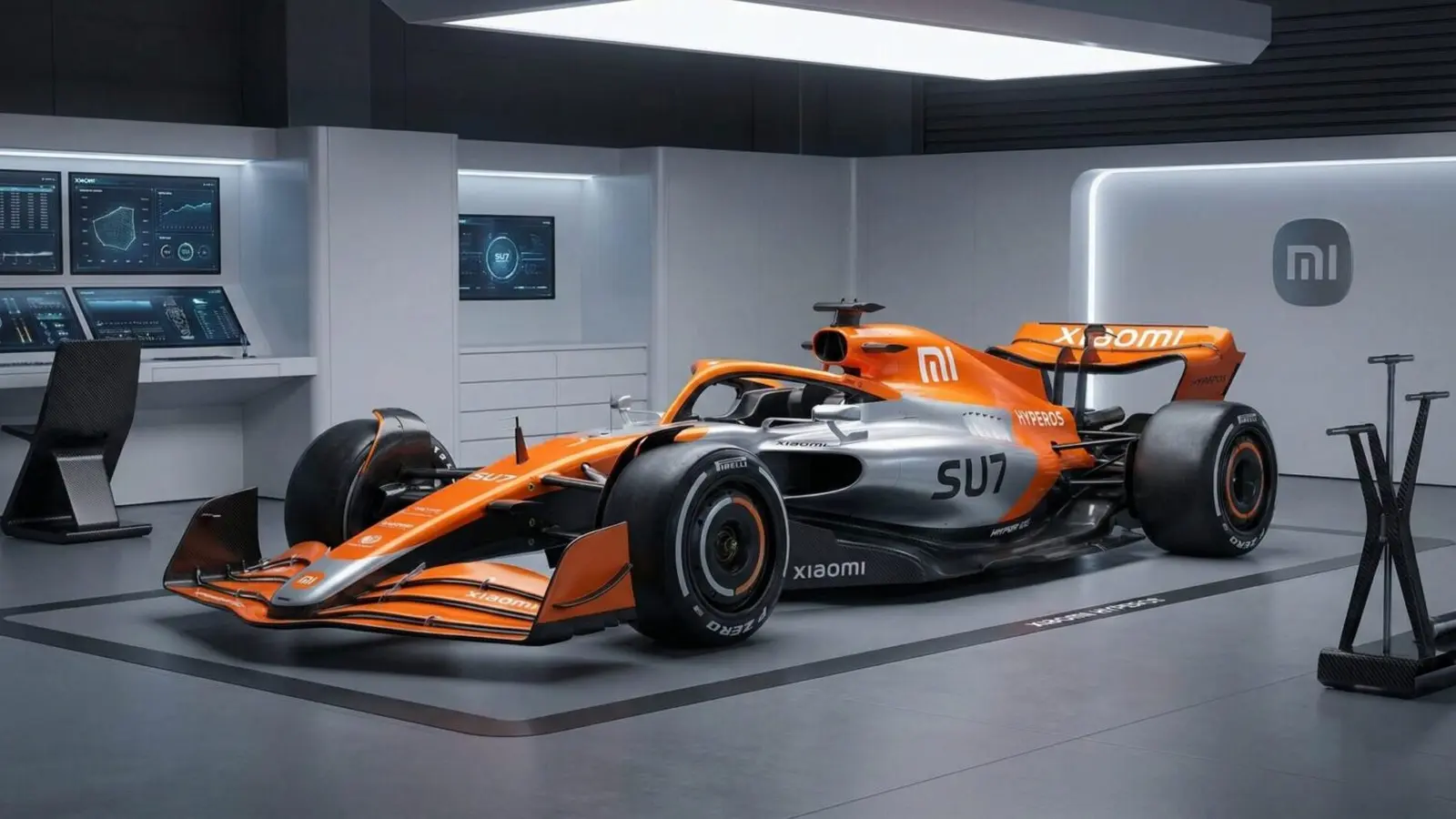
Xiaomi and motorsport: the headline
Xiaomi's arrival as an electric-car maker with the SU7 shook up the automotive market — and naturally raised one big question among fans and industry watchers: will the “Apple of China” set its sights on Formula 1? The short answer: not for 2026, but Xiaomi’s moves suggest a deliberate, multi-step plan that could put a Chinese works team on the grid later this decade.
Performance DNA: more than just a smartphone brand
The SU7 Ultra prototype has already signaled Xiaomi’s performance ambitions. Reports of fast laps at the Nürburgring and focus on aerodynamics underline that Xiaomi is building high-performance engineering capability, not just “phones on wheels.” On top of that, the company has recruited engineers with F1 and major OEM experience — including staff who worked in Ferrari’s F1 department and at BMW — pointing to long-term technical planning.
Why 2026 is unlikely
Formula 1’s 2026 power unit rules overhaul has attracted global OEMs like Audi, Ford’s return, and Cadillac (Andretti). But joining F1 is not just about ambition:
- Entry and anti-dilution fees are huge upfront costs.
- Building a competitive power unit and race infrastructure demands billions and specialized talent.
- Xiaomi is still scaling as a carmaker: global sales of SU7 and future models must stabilize first.
In short, 2026 is a seismic year for F1, but it’s too early for Xiaomi to attempt a full factory team launch.
The FIA, Chinese interest and the route to F1
The FIA has publicly expressed a desire to see a Chinese works team on the grid, a sensible commercial move given China’s audience and drivers like Zhou Guanyu who have broadened F1’s footprint. That appetite from regulators and fans creates a commercial incentive for a strong Chinese OEM to take the plunge.
But most automotive entrants follow a progressive path rather than a sudden jump. Xiaomi’s most realistic roadmap looks like:
- Technical partnerships or major sponsorships with existing teams.
- Supplying battery, software or electrification expertise to a partner team.
- Transitioning to a full works entry around 2030, once global sales and R&D are mature.
How Xiaomi’s strengths map to F1 needs
Xiaomi brings software, battery systems, and mass-market EV manufacturing to the table. Its HyperOS platform and electric vehicle engineering could be valuable to an F1 team looking to integrate advanced control software, energy management and battery tech — even if those systems are quite different from 2026-era power units.
Quote highlight: "Lei Jun’s ambition to make Xiaomi a top-five global carmaker makes motorsport a logical destination — not a question of if, but when."
What a partnership could look like
A near-term collaboration could be highly strategic for Xiaomi and an established F1 team alike. Potential forms include title sponsorship, tech partnerships for battery/software, or co-development deals. These moves would raise Xiaomi’s motorsport profile while giving it technical lessons without the full cost of running a works team.
Bottom line for car fans and industry watchers
Xiaomi is building the ingredients for high-performance cars and is hiring F1-experienced engineers — significant signals of intent. However, the company is pragmatic: expect stepwise engagement first, and a possible full works team only after sales and R&D mature, most plausibly toward 2030. For now, watch for sponsorships, tech alliances, and Porsche-like record attempts at circuits as the brand sharpens its racing credentials.
- Key takeaways:
- No Xiaomi-branded F1 car in 2026.
- Strategic hires and Nürburgring performance show long-term intent.
- A phased route — partnership, tech supply, then works team by 2030 — is the most realistic scenario.
For buyers, engineers and Formula 1 fans, Xiaomi’s next moves will be as important off-track as its lap times on it: the company’s software and EV know-how could change how a modern manufacturer enters top-level motorsport.

“Blockchain and fintech are reshaping finance. I break down market trends, regulations, and innovations for a global audience.”

Discussion
Leave a Comment
Comments (2)
Wow, Xiaomi doing Nurburgring laps and poaching ex-F1 engineers, bold move! If they keep this, 2030 might actually happen... skeptical but hyped
Xiaomi aiming for F1 by 2030? sounds plausible but how will they handle the insane costs, IP hurdles and politics? curious if tech partnerships will really teach them enough..