
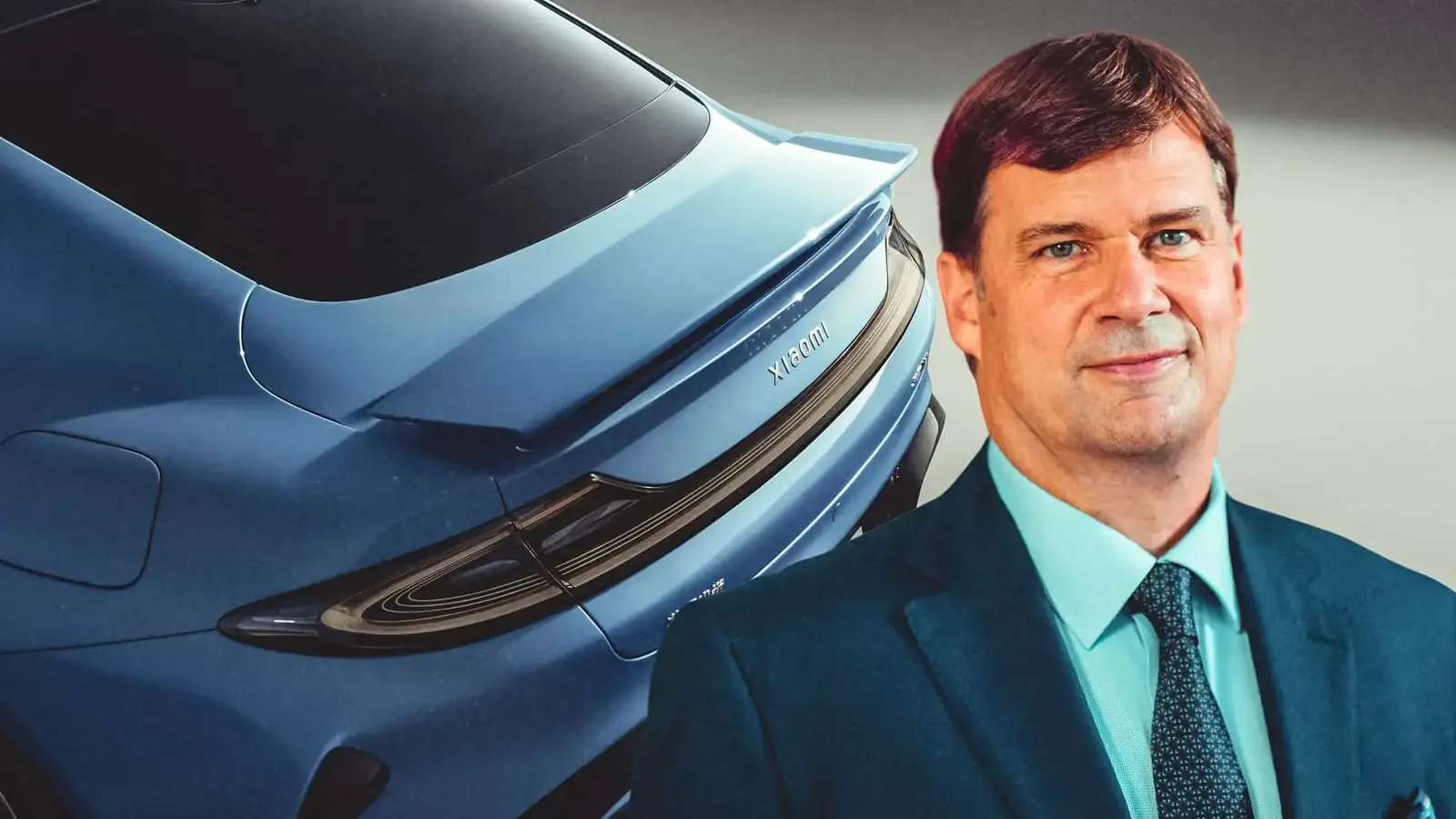
Ford's Jim Farley: a blunt assessment of China's auto rise
Ford CEO Jim Farley has repeatedly praised Chinese electric vehicles, and his latest comments underline how seriously Detroit now regards the competition. In a recent CBS Sunday Morning interview he compared today's Chinese auto industry to 1980s Japan — but "on steroids" — warning that existing Chinese factories already have the capacity to supply the entire North American market and could, in his words, "put us all out of business."
Farley described the challenge as a different level of risk because, unlike Japan in the 1980s, China has both scale and advanced EV technology. He highlighted the Xiaomi SU7 he personally tried, calling it 'high quality' with a 'great digital experience.' He still drives one, he said, to better understand the competition: 'to beat them, you have to know them.'
Why this matters for automakers and buyers
The implications are broad. Chinese electric vehicles (EVs) are evolving beyond inexpensive, low-spec city cars — they now offer refined interiors, sophisticated software, and competitive range and performance. Farley's remarks pushed Ford to reconsider product strategy and manufacturing.
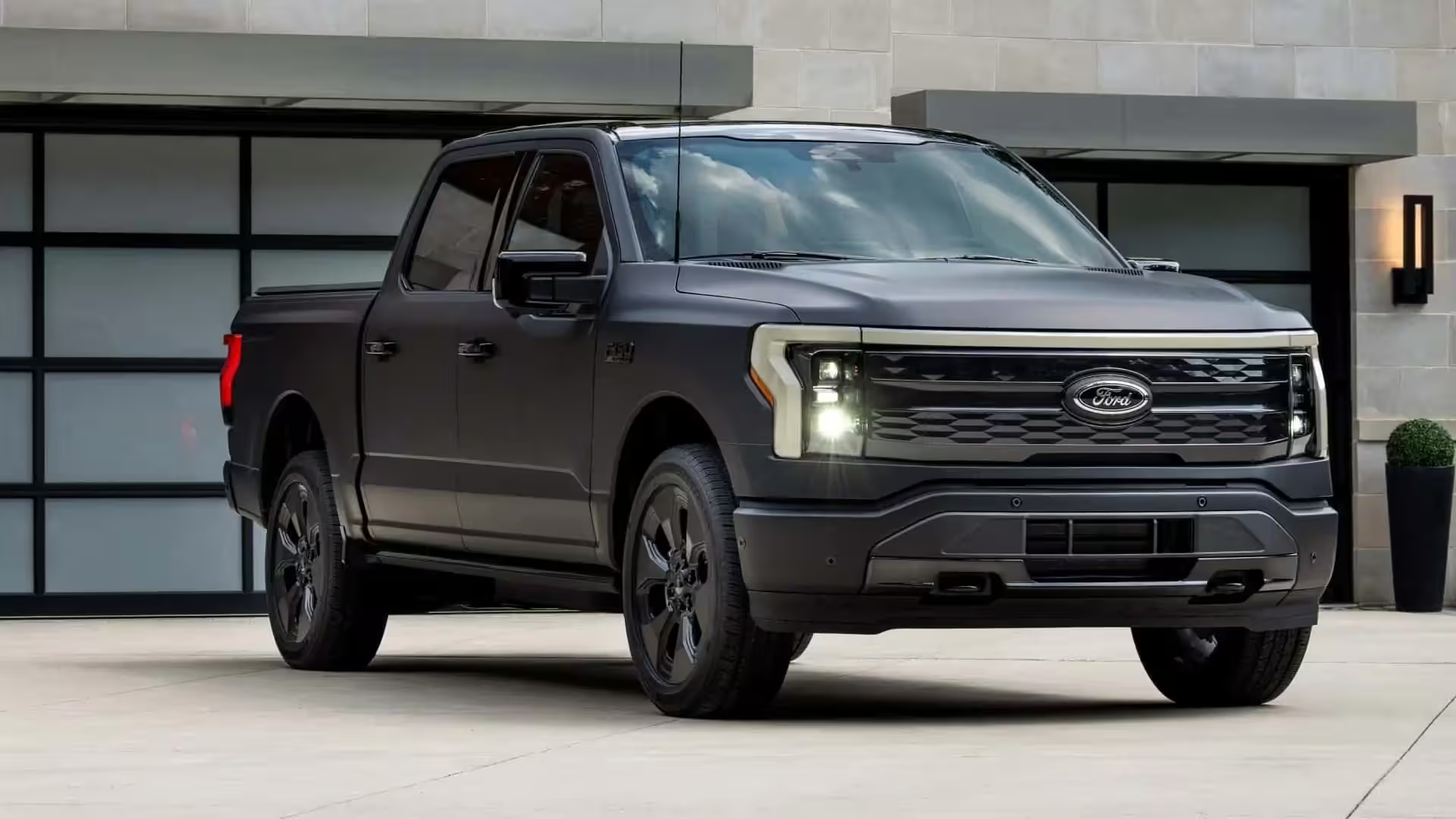
Ford is responding by targeting smaller, more affordable EVs and revising its production approach. Earlier this year the company announced a new manufacturing system designed to enable high-volume, lower-cost models — including plans to build a $30,000 electric pickup as a reachable price point before expanding the rest of its EV lineup.
Key points:
- Chinese OEMs possess massive production capacity and rapid scale-up capabilities.
- In-car technology and digital user experience are areas where Chinese EVs are perceived as strong.
- Tariffs currently limit direct imports of low-cost Chinese EVs into the U.S., but competition remains global.
Tariffs, trade and Ford's global strategy
Although the U.S. enforces a 100% tariff on many Chinese EV imports — a practical barrier to cheap models flooding American lots — Ford still operates in China, selling models such as the Mustang Mach-E there. The company's global footprint means it's competing for customers on multiple fronts: product, pricing, software and manufacturing efficiency.
Farley has been adamant: superior in-car tech and manufacturing efficiency from China represent a strategic threat beyond just EVs. 'We are in a global competition with China,' he has said. 'And if we lose this, we do not have a future at Ford.'
For car enthusiasts and industry watchers, the story is clear: the race is now as much about software, digital experience and manufacturing scale as it is about battery range or horsepower. How Detroit adapts may determine the next decade of automotive leadership.

“I cover automotive innovation, electric vehicles, and the future of mobility — where technology meets sustainability.”

Discussion
Leave a Comment