
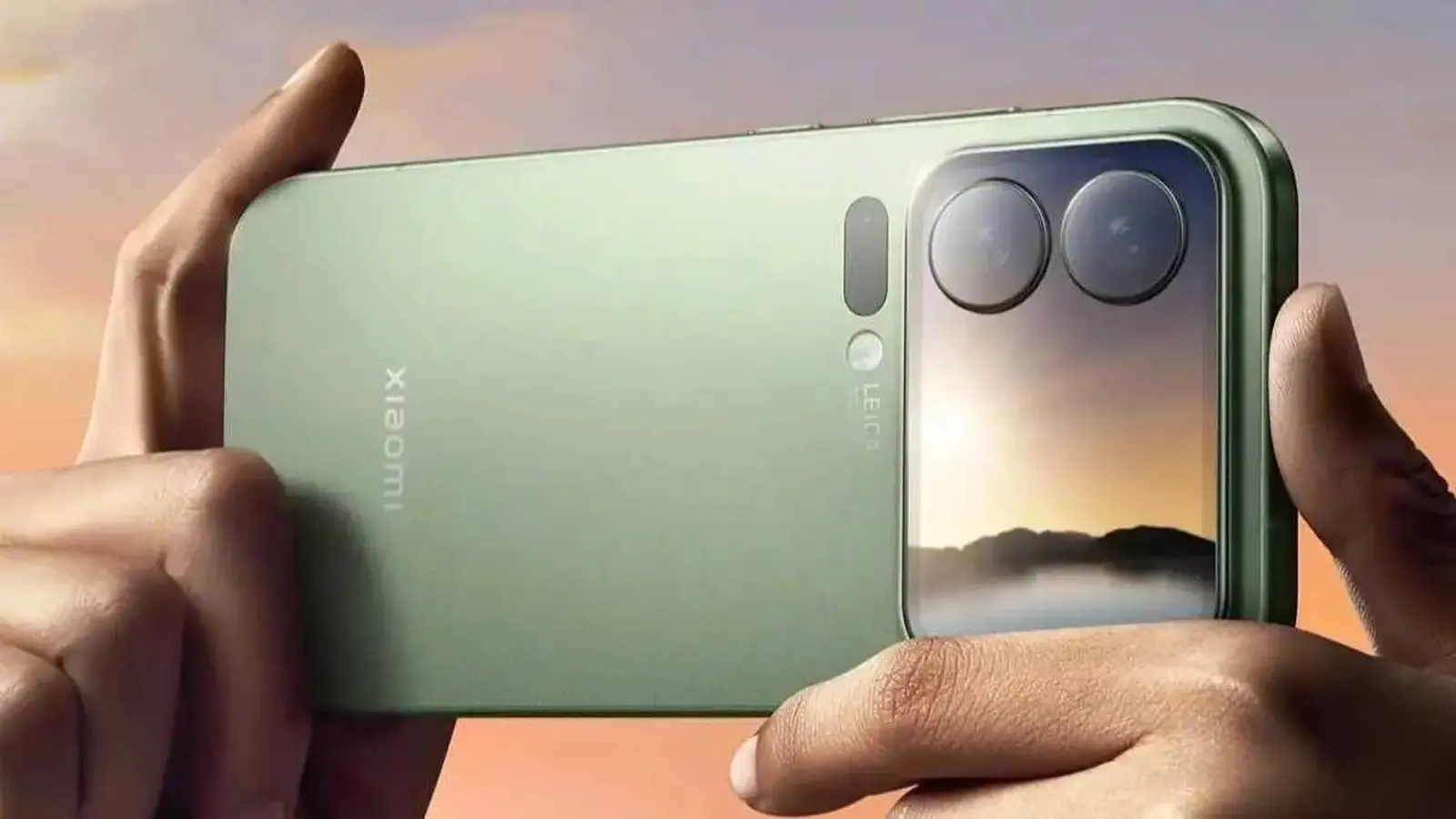
Battery and Charging: A New Benchmark for Flagships
Xiaomi appears ready to rewrite expectations about battery life in the premium smartphone market. The headline spec is an enormous 8,000 mAh battery — a capacity usually reserved for rugged phones or large-screen mid-rangers, not a top-tier flagship. Yet Xiaomi reportedly keeps the chassis under 9 mm thick by using high-density silicon-carbon anode cells, which is a noteworthy engineering achievement. For many users, that could mean two to three full days of heavy use without hunting for a charger.
Charging support also looks competitive: up to 100 W wired and 50 W wireless charging. Xiaomi claims full-charge times under an hour with wired power, which makes the device practical even for users who occasionally forget to top up overnight. In real-world terms, imagine a weekend trip with heavy navigation, streaming, and photography — the 17 Max could feasibly last without midday recharges that most flagships require.
Quick highlights:
- 8,000 mAh battery
- Wired charging up to 100 W
- Wireless charging up to 50 W
- Thinner than 9 mm thanks to silicon-carbon anode cells
"Battery life matters more than ever," said a product strategist at a major OEM recently, reflecting broader industry sentiment. Xiaomi’s apparent focus on autonomy addresses a persistent user complaint: flagship phones are powerful but often need daily charging. The 17 Max looks designed to close that gap.
Design, Display and Performance
Another notable shift is the move to a flat 6.9-inch LTPO AMOLED panel with very slim bezels. Dropping curved edges improves durability and touch predictability while offering a cleaner aesthetic. LTPO technology also helps the battery story by dynamically lowering refresh rates when high frame rates aren't required, saving power during static tasks like reading or standby.
Under the hood, the Snapdragon 8 Elite Gen 5 is expected to power the device. That chipset promises strong performance with improved thermal management — important when pairing peak performance with a large battery in a relatively slim frame. Premium touches reportedly include an in-display 3D ultrasonic fingerprint sensor, a metal alloy frame, and IP68/IP69 ingress protection, signaling a fully fledged flagship rather than a one-dimensional battery monster.
Use cases that benefit most:
- Travelers who need long, reliable battery life for maps and calls.
- Mobile creators doing extended photo and video capture.
- Power users who multitask and game without frequent charging.
Potential trade-offs deserve attention. A larger battery typically adds weight, and while Xiaomi’s cell tech reduces thickness, expect a heavier handset than smaller- battery flagships. Camera modules and internal cooling may also require compromises versus more compact models. Still, Xiaomi seems to balance these factors toward a device built for endurance.
Industry context: other manufacturers are expanding battery capacities, but Xiaomi pushing an 8,000 mAh cell into a flagship space positions the 17 Max as an autonomy-first contender. If pricing and supply chain logistics align, it could set a new reference for daily practicality in premium phones.
Conclusion
Xiaomi 17 Max appears aimed at users who put battery life at the top of their priority list without sacrificing flagship performance and features. With a massive 8,000 mAh battery, fast wired and wireless charging, a flat LTPO AMOLED display, and a Snapdragon 8 Elite Gen 5 chipset, the phone could become the go-to choice for travelers, creators, and heavy users. Launch is expected this spring in China, with international availability to follow — if the details hold, the 17 Max could make long-lasting autonomy a central selling point for future premium phones.

“Blockchain and fintech are reshaping finance. I break down market trends, regulations, and innovations for a global audience.”

Discussion
Leave a Comment
Comments (2)
Is this even true though? Xiaomi claiming sub-1hr full charge with 8000 seems optimistic, unless battery degradation is wild. Want real world tests, fast.
Wow 8000mAh in under 9mm? If real that's nuts. Two days of heavy use sounds dreamy, but how heavy will it feel in hand? also curious about weight, heat, and camera tradeoffs.