
3 Minutes
There is a race happening on the face of consumer tech. Not in data centers or app stores, but in the frames that might sit atop your nose later this year and next. Meta is moving fast, and the company’s next moves could reshape who leads the smart-glasses era.
Inside the lab: what those codenames mean
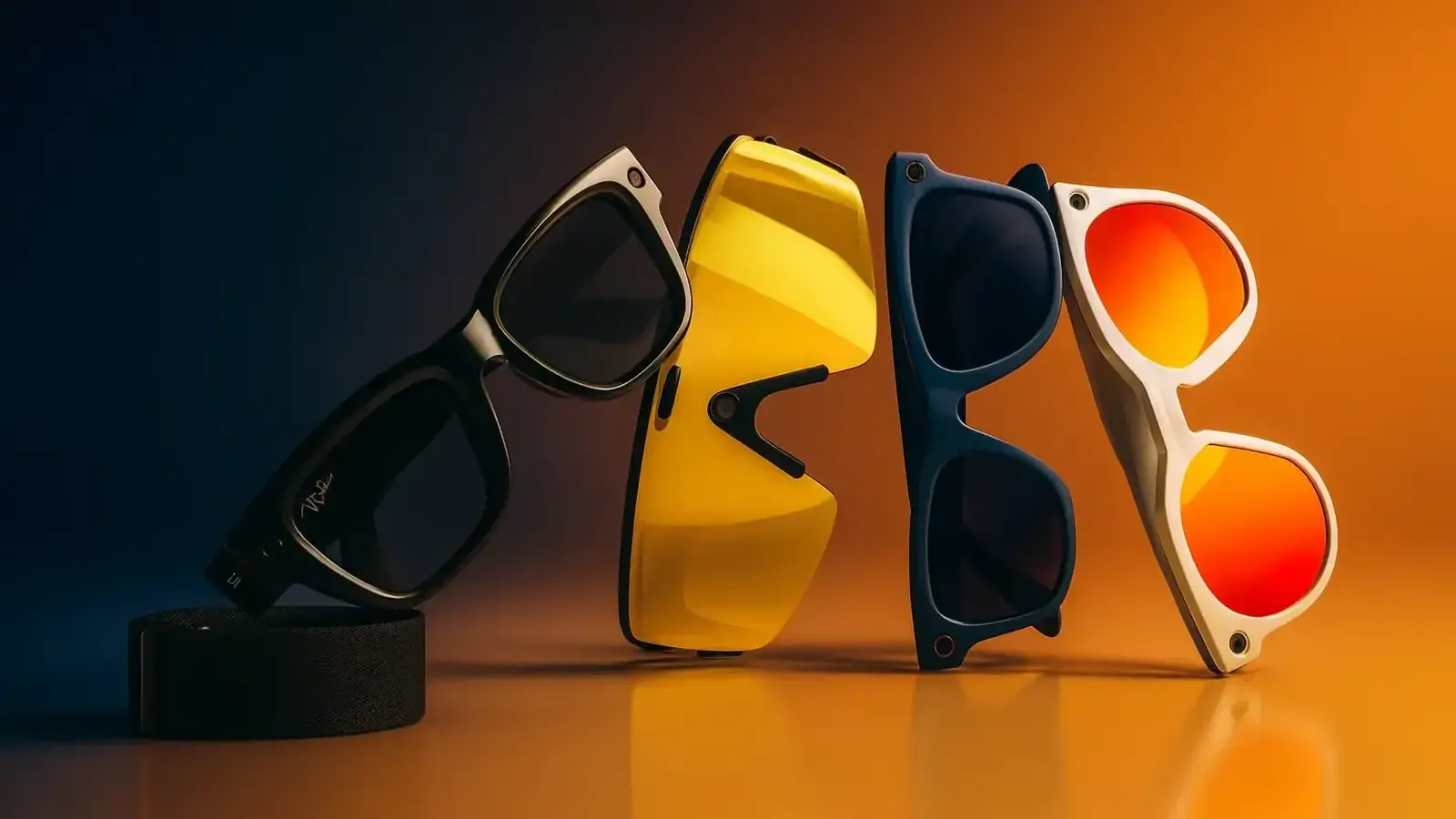
According to reporting from The Information, Meta is developing four distinct smart-glass models plus an AI-powered pendant, all aimed at keeping the company ahead of new challengers from Samsung and the long-rumored Apple entry. The timeline is ambitious. All four glasses are reportedly planned to hit the market before the end of 2026.
- Modelo: June 2026
- Luna: Fall 2026
- RBM2 Refresh: Fall 2026
- Mojito VIP: December 2026
The RBM2 Refresh appears to be an update to the current Ray-Ban Meta second-generation hardware. Exact features for Modelo, Luna and Mojito VIP remain unclear, but the variety of form factors implies Meta is exploring multiple use cases—from casual wearables to more capable AR companions.

Meta is not stopping at frames. The company reportedly has an AI agent codenamed Hatch designed for consumers, plus a business-focused initiative called Wearables for Work. Those efforts point to a two-pronged push: sell to everyday users while also courting enterprise adoption where recurring value is easier to justify.
There are other projects in motion. Devices codenamed Artemis and SSG are said to support longer camera usage, which would let them build richer situational awareness and deliver context-aware guidance rather than simple notifications. That capability raises obvious questions about battery, processing and privacy, but it also hints at genuinely useful hands-free features.
Meta aims to sell nearly 10 million smart glasses in the second half of 2026.
Competition is tightening. Samsung is expected to ship Android XR-powered glasses within the year, and Apple remains the elephant in the room for many observers. Meta’s strategy looks pragmatic: iterate quickly, diversify the product line, and layer in AI and business tools to create multiple revenue streams.
Will consumers care enough to adopt these devices at scale? That depends on comfort, battery life, app experiences and whether the glasses offer clear benefits beyond a smartphone. Meta’s roadmap suggests the company is betting yes. The consequences for privacy, fashion and mobile computing will be the story to watch as these products emerge.
Source: sammobile



Leave a Comment