
UCP: A new layer for agentic commerce
Google's Universal Commerce Protocol (UCP) arrives like a pivotal piece of plumbing for the future of online retail: an open framework that stitches AI agents, payment systems, and shopping platforms together so consumers can discover, buy, and get post-purchase support with less friction. At its core, UCP promises to make agentic commerce — AI-driven shopping assistants acting on behalf of users — more interoperable across retailers, wallets, and search.
Why it matters: shoppers already expect convenience. Brands want higher conversion. UCP is designed to accelerate both by standardizing how agents talk to merchants and payment processors, reducing engineering friction and enabling new shopping flows inside Google Search and other interfaces.
Key features and the initial rollout
Google is debuting three headline features powered by UCP:
- AI Mode checkout: shoppers in Google Search can complete purchases for eligible products from participating US retailers without leaving Google. Google Pay is supported today, with PayPal compatibility coming soon. Google also plans to add related product discovery and loyalty-point redemption.
- Business Agent: described by Google as 'a virtual sales associate that can answer product questions in a brand’s voice.' These agents will launch with early adopters including Lowe’s, Michaels, Poshmark, Reebok and others, letting retailers deliver personalized guidance directly in AI Mode.
- Direct Offers: advertisers using Google can present exclusive, ready-to-redeem offers to users in AI Mode, working alongside Google’s ad experiments for AI-driven shopping.
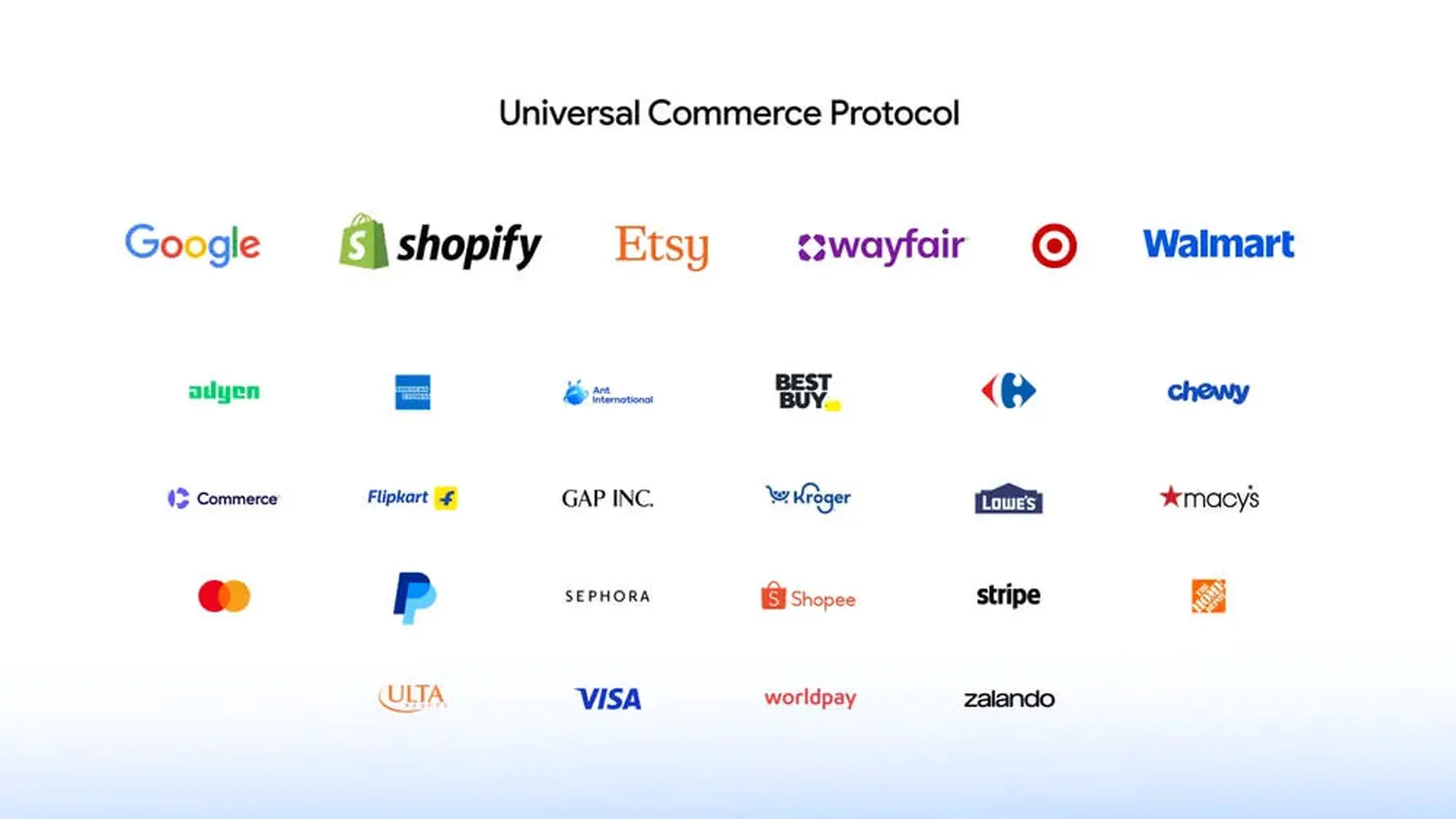
These features aim to cover the full purchase lifecycle: discovery, checkout, and post-purchase support. UCP was co-developed with major commerce players like Shopify, Etsy, and Walmart and is compatible with existing protocols such as Agent2Agent, Agent Payment Protocols, and Model Context Protocol. Endorsements from Macy’s, Stripe, Visa and others suggest broad ecosystem interest.
Real-world use case: imagine an agent in Google Search that knows a user’s preferences, suggests a cordless drill from Lowe’s, applies a retailer-exclusive Direct Offer, completes checkout via PayPal, and then connects the user to a Business Agent for setup tips — without the shopper manually switching apps.
Benefits and challenges
Benefits:
- Faster checkout and fewer abandoned carts
- Richer, brand-consistent interactions via Business Agents
- Easier integration for merchants and payments partners
Challenges:
- Privacy and consent: agents need to access user data responsibly
- Merchant control and competitive dynamics: how brands manage voice and tone
- Ad and deal saturation: Direct Offers could increase promotional pressure
Industry reaction is mixed: plenty of enthusiasm about the potential to boost conversion and streamline commerce, tempered by concern from privacy advocates and independent sellers wary of increased consumerism and platform dependency.
"UCP could be a turning point for commerce if governance and transparency keep pace with capability," says an industry analyst.
Conclusion
UCP is an ambitious effort to make agentic commerce usable at scale. If executed with clear privacy safeguards, transparent merchant controls, and broad payment compatibility, it could reshape online shopping by making AI-powered assistants a normal part of the purchase journey. But success will hinge on how Google, retailers, and payment partners balance convenience with consumer trust.

“Blockchain and fintech are reshaping finance. I break down market trends, regulations, and innovations for a global audience.”

Discussion
Leave a Comment
Comments (2)
wow if thats real then checkout pain gone? love the business agent idea, but privacy pls and dont bury small sellers with nonstop promos
UCP sounds powerful but who guards the data? feels like google gets more control, hmm...