
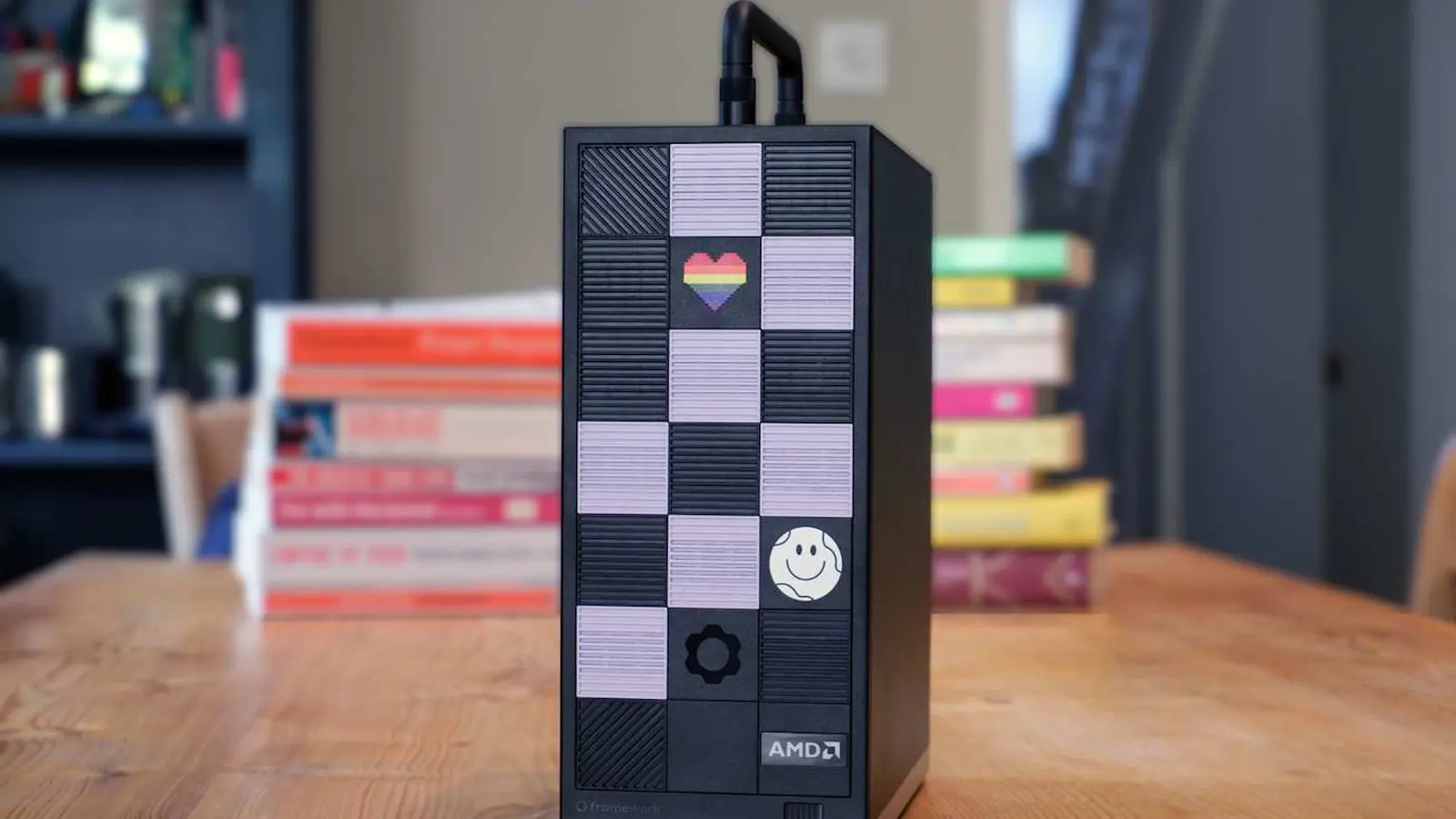
Framework has quietly adjusted memory pricing for its Desktop systems and Mainframes, a move that underscores how volatile component markets can ripple into end-user hardware costs. Compared with when the Desktops were announced, the 32GB and 64GB options each cost $40 more, while the 128GB variation now carries an extra $460. Current pricing stands at $1,139 for 32GB, $1,639 for 64GB, and $2,459 for 128GB.
Why this matters: supply stress and AI-driven demand
The surging cost of RAM isn’t unique to Framework. At CES 2026 one clear theme emerged: RAM will be an expensive commodity this year. Large-scale artificial intelligence projects and the rush to expand data centers are soaking up vast amounts of memory, pushing suppliers to raise prices. Framework points to rising supplier costs and has committed to being transparent with customers about the adjustments.
Framework’s approach includes these customer-friendly policies:
- Original prices will be honored for existing pre-orders.
- The company says it will reduce prices again once the market calms.
That kind of transparency matters to buyers who choose modular systems. The modular philosophy—repairability and upgradability—lets users delay or selectively choose expensive components like RAM.
Quote: “We’ll lower prices when the market stabilizes,” Framework said, reflecting an industry trend toward clearer communication as supply chains strain.
Practical choices for buyers
If you’re building or upgrading a Framework Desktop, consider these trade-offs:
- Prioritize faster storage or a better CPU now, and add more memory later when prices fall.
- Buy used or third-party certified RAM if compatibility checks out.
- For creators and data-heavy users, evaluate whether 128GB is essential today or if 64GB plus optimized workflows will suffice.
Real-world example: a small studio upgrading a modular desktop might invest in a higher-core CPU and NVMe storage to speed rendering, then add more RAM in 6–12 months when prices ease—balancing performance without the upfront memory premium.
Industry insight: memory suppliers are responding to long-term AI capacity builds. That means short-term price pressure, but also potential future investment in production that could ease costs over the next 12–24 months.
Benefits and challenges: modular buyers keep flexibility and lower long-term costs, but they must tolerate short-term price volatility in key parts like RAM. For businesses planning large deployments, locking in supply contracts or staggered purchasing can mitigate sudden hikes.
Conclusion
Framework’s RAM price hikes reflect broader market dynamics driven by AI and data-center growth. Their transparency and promise to revert prices when the market normalizes are positive signals, and modular design gives users tactical options: upgrade other components now, or wait to add memory when costs drop.


“Blockchain and fintech are reshaping finance. I break down market trends, regulations, and innovations for a global audience.”

Discussion
Leave a Comment
Comments
No comments yet. Be the first.