
Unexpected confirmation: Airbnb, Apple and a self-driving whisper
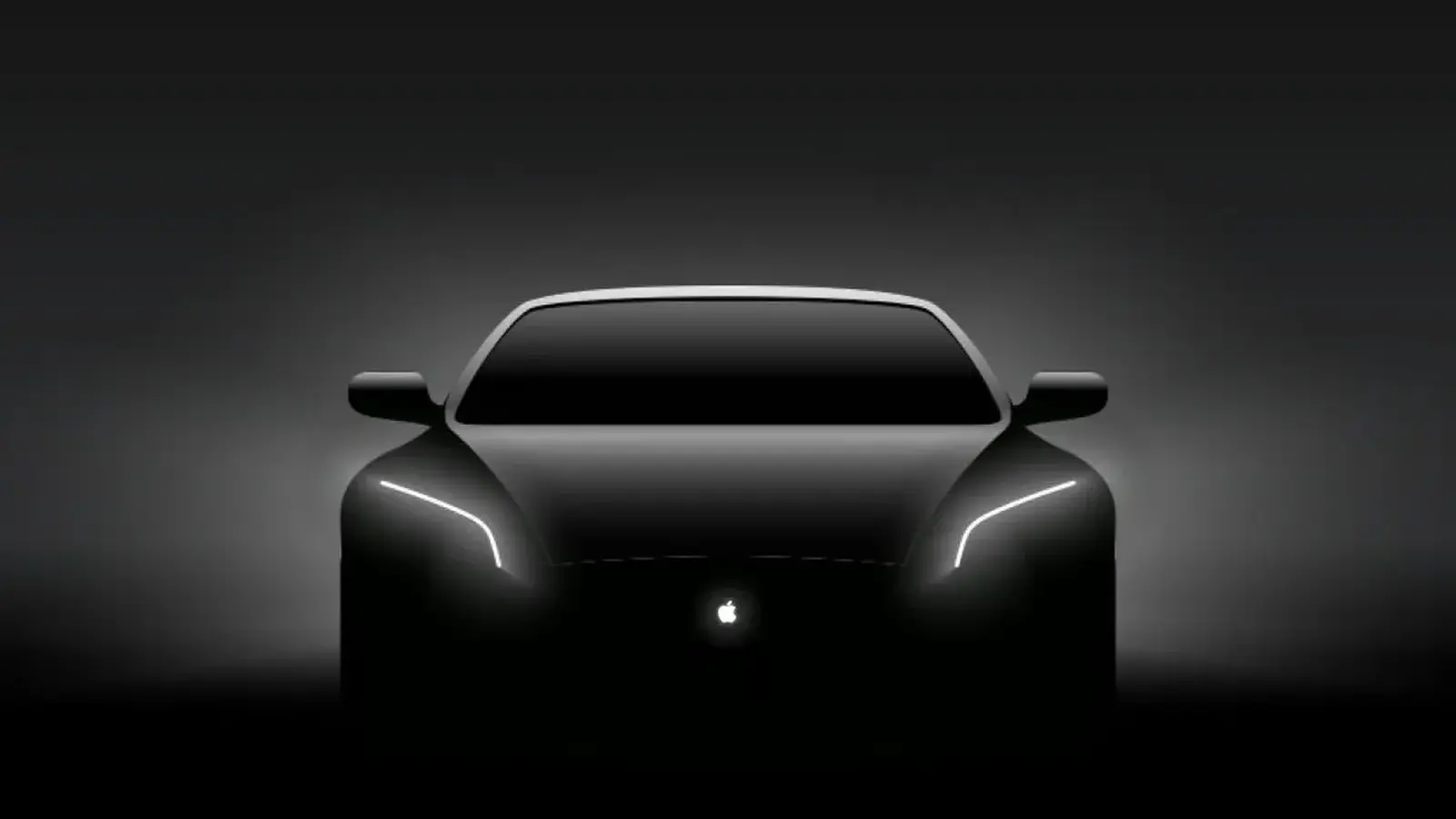
Apple rarely talks about projects before they're ready. That's why a seemingly casual line in Airbnb's internal memo confirming Ahmad Al-Dahle's hire as CTO has resonated across tech and automotive circles: it appears to be one of the clearest acknowledgements yet that Apple ran an extensive autonomous vehicle program. For car enthusiasts and industry watchers, this offhand confirmation illuminates more than a product—it signals a strategic shift in Apple's approach to AI and mobility.
From multitouch to autonomous systems
Al-Dahle's career reads like a map of modern consumer tech. He joined Apple in the early days, contributing to multitouch displays and later the Apple Watch, before rising to lead Apple's autonomous systems efforts. His move from Apple in 2020 to Meta, where he helped launch Llama and worked on generative AI products, and now to Airbnb, connects a series of engineering chapters spanning hardware, vehicles, and large-scale AI.
What the disclosure means for Apple's autonomous vehicle ambitions
Apple has long been rumored to be developing a self-driving car and the advanced software needed to power it. The Airbnb memo doesn’t provide blueprints or specs, but the detail about Al-Dahle’s role aligns with years of reporting that Apple invested heavily in sensors, perception systems, and autonomous software.
Key takeaways for the automotive and EV markets:
- Apple’s autonomous program likely reached advanced stages of research and development before the company re-evaluated its path to market.
- Winding down a large, hardware-intensive vehicle project fits a broader strategy to prioritize AI features that can be shipped across Apple’s existing product lineup.
- The decision reflects the complexity of bringing a full self-driving car—hardware, regulatory approval, and fleet-scale operations—to market compared with integrating AI into software ecosystems.
Why this looks more like recalibration than retreat
Apple recently partnered with Google to build the next-generation Siri on Gemini, signaling a renewed emphasis on generative AI inside its ecosystem. Rather than abandoning AI, Apple appears to be pivoting toward areas where it can deliver at scale—software, on-device intelligence, and services—rather than the prolonged bets required for vehicle production and autonomous ride services.
Why Airbnb's hire matters to the automotive audience
At first glance, Airbnb and the auto world sit in different lanes. But the hire is meaningful for car and mobility observers because it highlights how foundational AI expertise is for companies that want to shape real-world experiences—whether those are rides, stays, or in-car services. Al-Dahle’s background in autonomous systems and large AI models is precisely the skill set needed to scale intelligent, context-aware features across platforms.
Airbnb's broader AI push
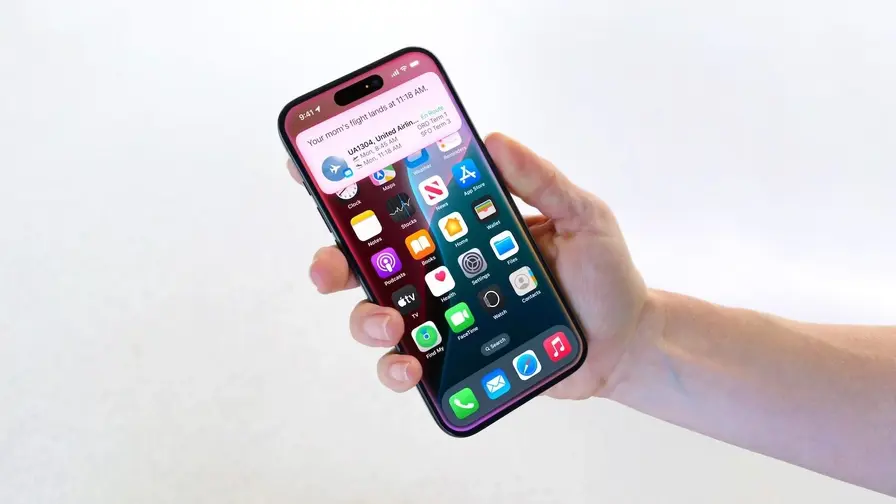
In 2025 Airbnb rolled out redesigned mobile apps and began embedding AI-powered customer service, personalization, and discovery tools. The company is experimenting with social features and expanded experiences beyond pure accommodation bookings, which aligns with CEO Brian Chesky’s human-first framing:
“In a world becoming more artificial, people are craving what’s real: real connection with real people in the real world.”
The new CTO hire suggests Airbnb plans to scale AI infrastructure and recommendation systems, improving traveler discovery and in-app experiences that indirectly interface with the mobility ecosystem—think travel planning, route-aware suggestions, and context-sensitive local tips for people on the move.
Implications for the automotive market and competitive landscape
Apple’s years-long project reinforced how difficult autonomous vehicles remain: hardware integration, sensor fusion (LiDAR, radar, cameras), machine learning models for perception and planning, and the logistics of deploying a fleet. Even high-capacity companies can pivot to software-first strategies if hardware timelines and regulatory headwinds extend too long.
Comparisons to leaders like Tesla, Waymo, and Cruise are inevitable, but Apple’s deciding to reallocate effort toward scalable AI features doesn’t remove it from the mobility conversation. Instead, it means Apple may enter the automotive value chain through software, in-car AI, or partnerships—areas that still influence car design, driver assistance, and in-cabin user experiences.
Final thoughts
This unusual confirmation—delivered through an Airbnb hiring memo rather than a regulatory filing—sheds light on both companies' roadmaps. For Apple, the episode suggests a strategic reset toward AI-driven product integration across devices. For Airbnb, the move signals deeper investments in AI infrastructure that will shape travel discovery and in-app experiences. For the automotive industry, the lesson is clear: the quickest path to influence may no longer be building cars, but building the intelligence that powers them.
Highlights:
- Airbnb’s memo is an indirect confirmation of Apple’s extensive autonomous vehicle work.
- Apple appears to be shifting resources from vehicle hardware to scalable AI and services.
- Al-Dahle’s hire positions Airbnb to expand AI-driven travel and mobility experiences.

“Blockchain and fintech are reshaping finance. I break down market trends, regulations, and innovations for a global audience.”

Discussion
Leave a Comment
Comments (2)
is this even true? a memo, one line, and suddenly Apple's AV saga confirmed? skeptical, could be just PR or an internal reshuffle. show receipts pls
wait, what? Apple actually had deep car tech? wild. Al-Dahle to Airbnb is such a plot twist, curious how they'll reuse that smarts, not just fluff pls