
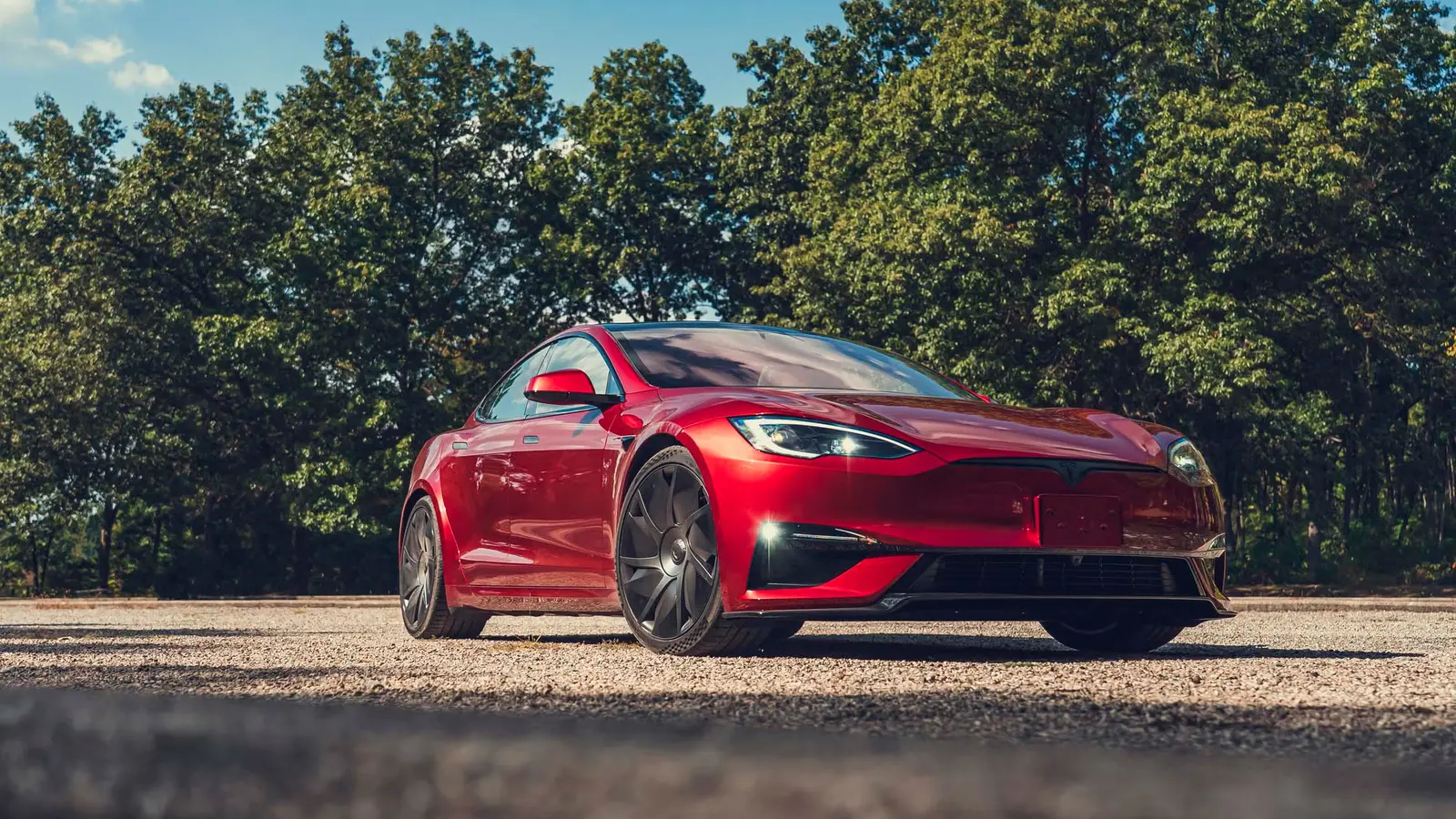
The 2026 Tesla Model S Plaid remains the extreme, straight-line superstar it has always been: blistering acceleration, mind-bending quarter-mile times, and a headline-grabbing powertrain. Yet five years after the significant 2021 refresh, little has changed in the Plaid's core character. If you're searching for raw EV performance and real-world range in one package, the Plaid still delivers. If you hoped for dramatic chassis refinement, fresher styling or a more tactile driving connection, you'll find familiar compromises.
What’s new (and what isn’t)
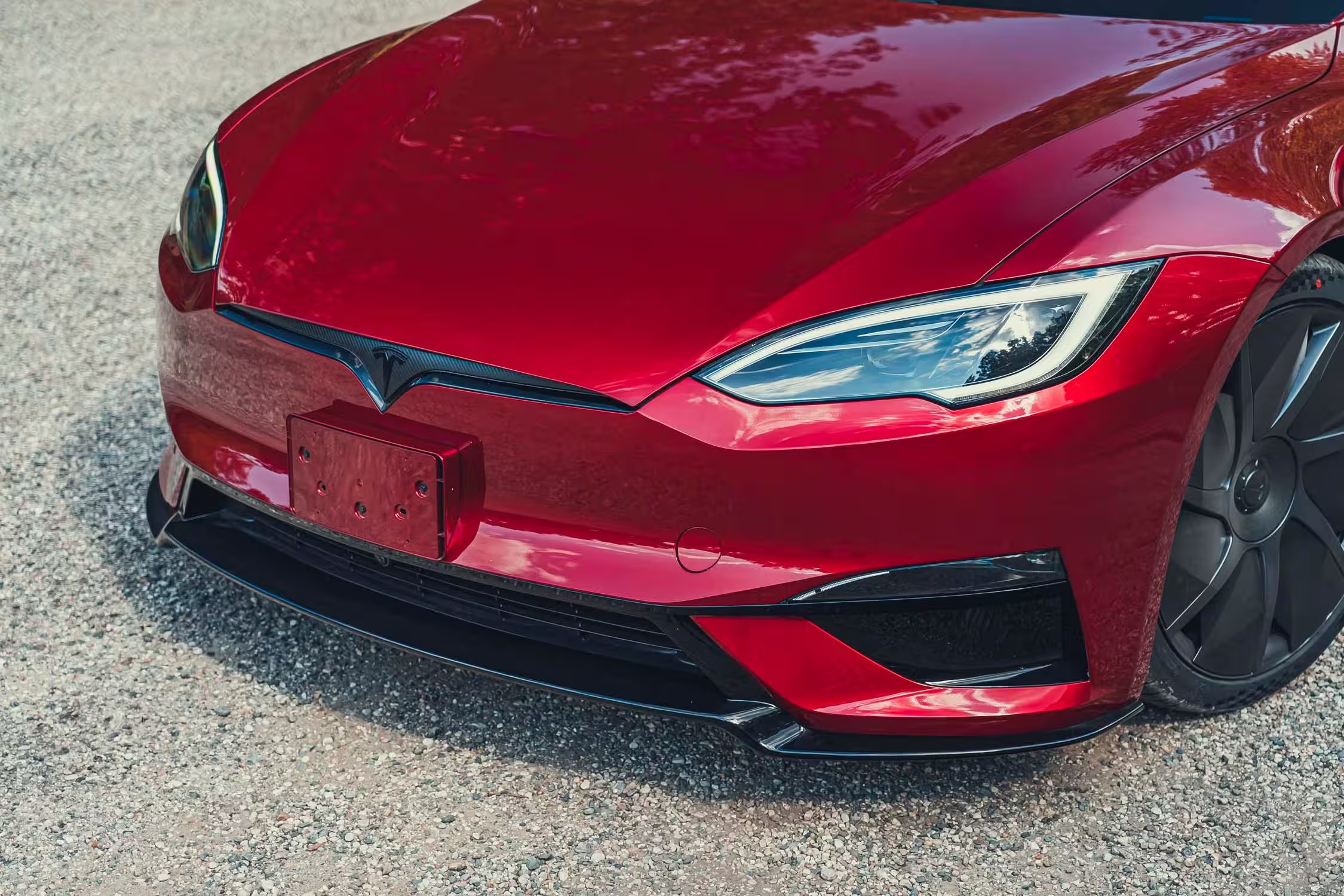
At first glance the 2026 Model S Plaid looks like the same car Franz von Holzhausen designed for 2012 with a handful of facelifts. That's not an insult—Tesla's silhouette has aged well—but the essence of the Plaid remains unchanged from our last full evaluation in 2021. Underneath the hood is the same three-motor setup with carbon-sleeved permanent-magnet motors delivering an estimated 1,006 horsepower and colossal torque. The big news is mostly packaging and pricing adjustments rather than mechanical reinvention.
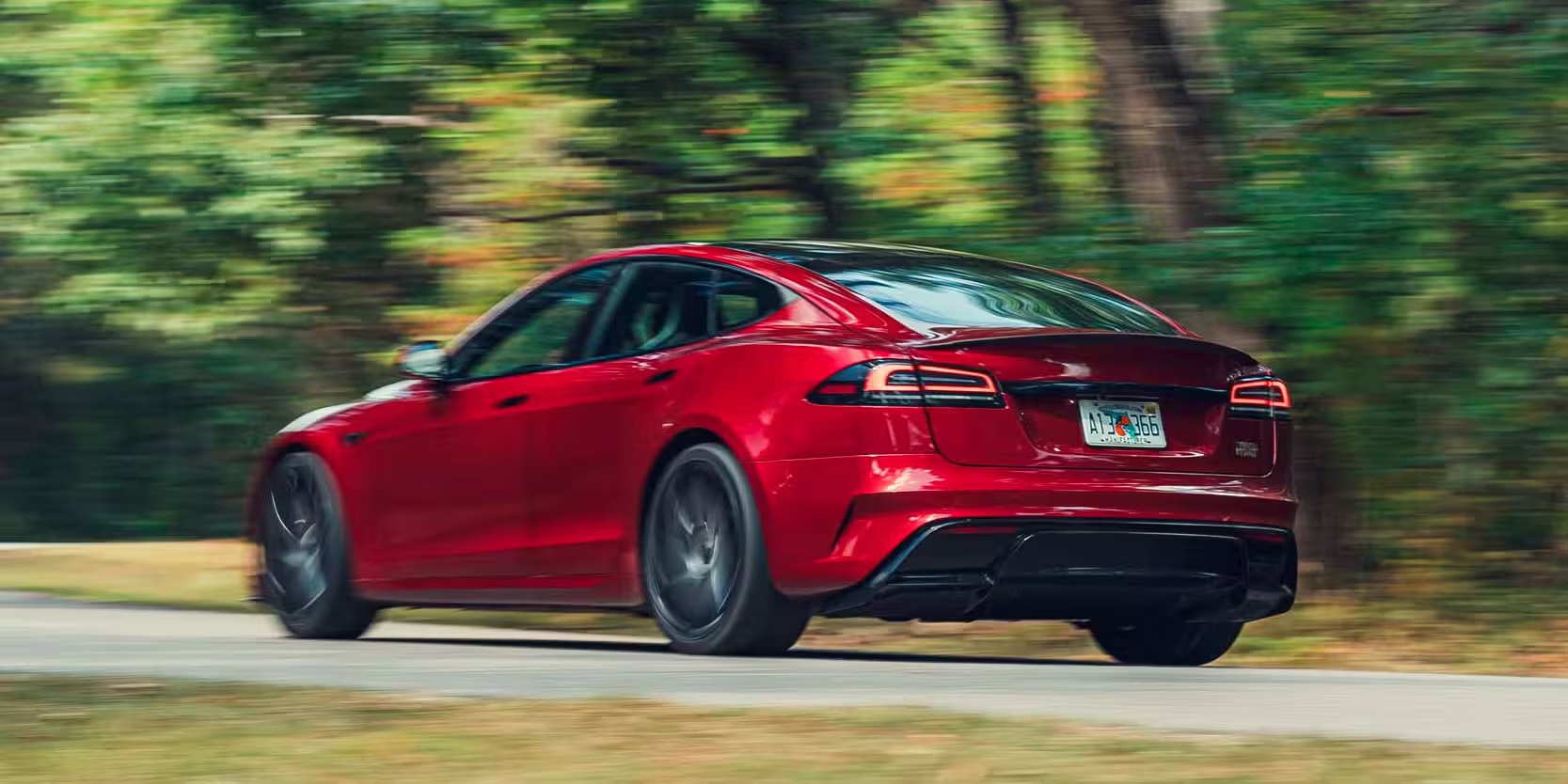
Hardware and options
- 99 kWh liquid-cooled lithium-ion pack (estimate)
- Three permanent-magnet synchronous motors (one front, two rear)
- Direct-drive transmissions and a claimed 1,006 hp combined output
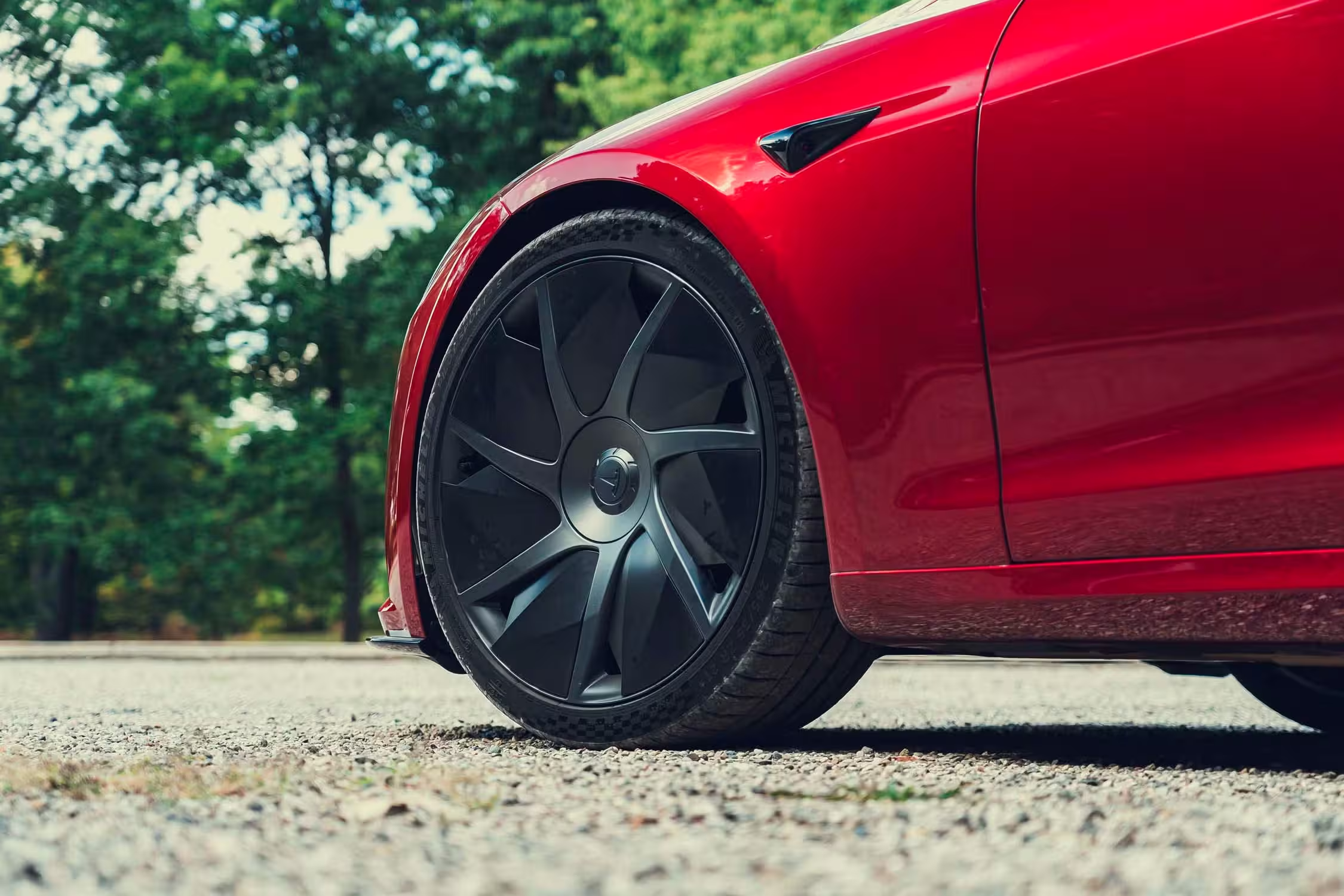
- Standard 19-inch wheels with all-season tires; optional 21-inch Velarium wheels with Michelin Pilot Sport 4S summer tires
- Cast-iron vented rotors, approximately 15.6-inch front / 14.4-inch rear
Performance: Still blisteringly fast
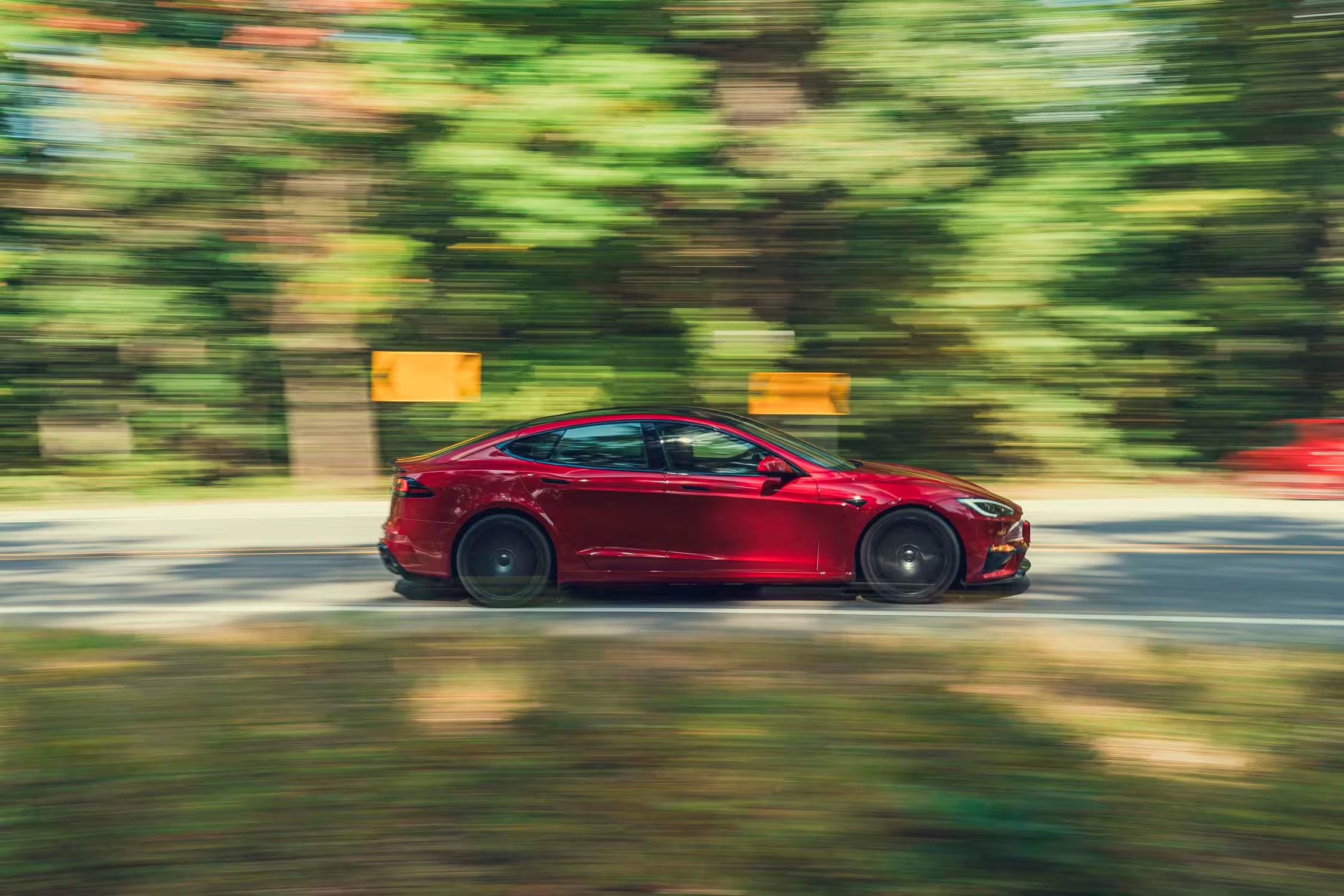
If straight-line speed is your primary interest, the 2026 Plaid is essentially unbeaten at its price point. Our stopwatch shows 0–60 mph in 2.1 seconds, and a 1/4-mile pass in 9.4 seconds at 151 mph—numbers that sit comfortably among the world's quickest production cars. The car hits 100 mph in about 4.3 seconds and reaches the speed-limited top of 163 mph in testing conditions, though the mechanical hardware is purportedly capable of a theoretical 200 mph with Tesla’s expensive Track package.
These accelerative figures make one thing obvious: you need the stickiest rubber available. Tesla still lists the Plaid with 19-inch all-season tires as standard, but anyone serious about performance will choose the 21-inch summer tires we fitted—Michelin Pilot Sport 4S in 265/35ZR-21 front and 295/30ZR-21 rear. On those tires, braking from 70 mph measured roughly 148 feet and 100–0 mph was 297 feet—solid but not revolutionary.
Handling, ride and chassis behavior
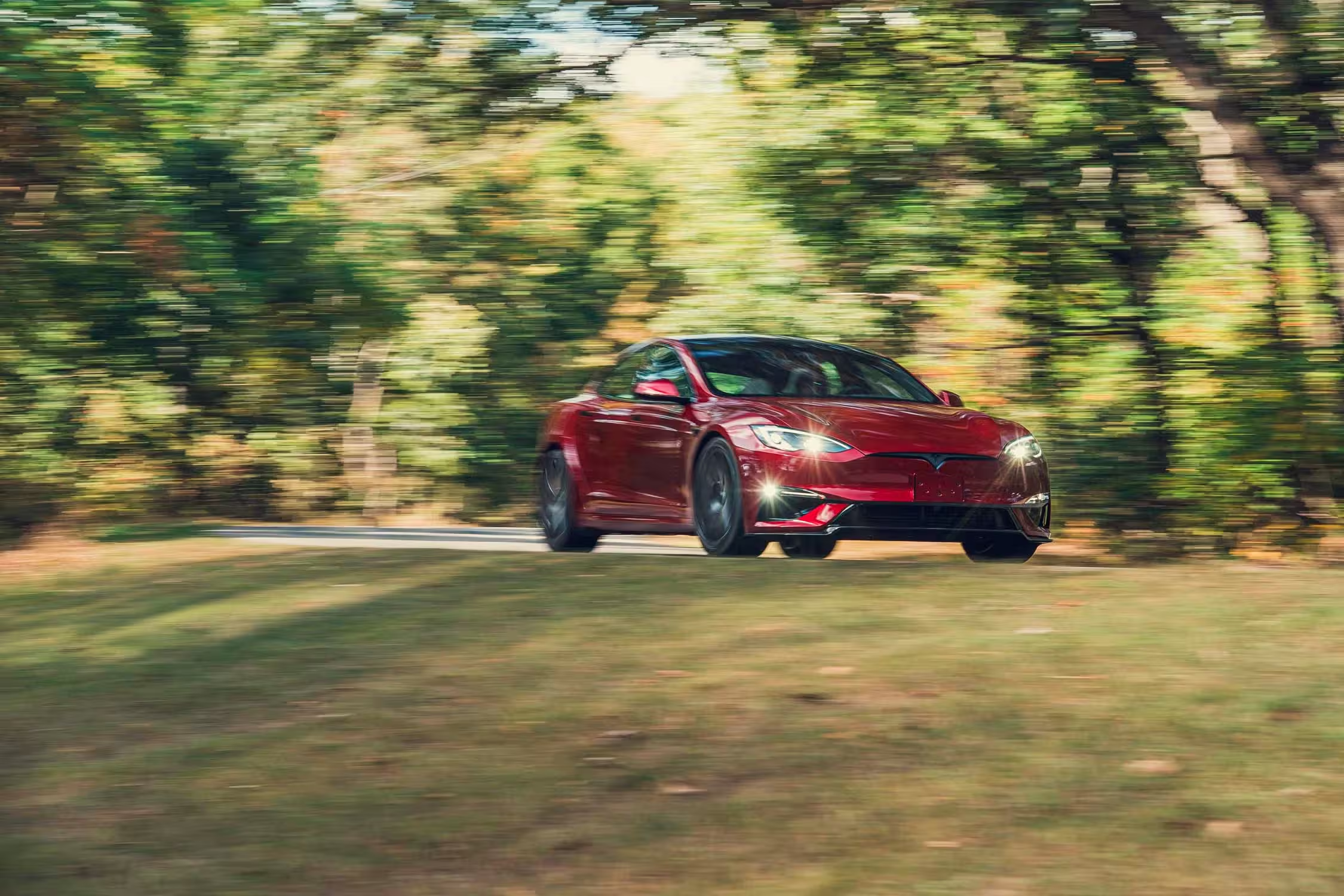
Despite phenomenal straight-line metrics, the Plaid's dynamic behavior is more nuanced. Skidpad grip in our tests dropped to around 1.02 g, down from 1.08 g in previous testing—an indicator that the car is less composed at the limits than its numbers might suggest. The Model S can feel a touch squirrelly when pushed hard; the rear end can be a handful and steering feedback lacks the immediacy and precision that you'd expect from high-performance rivals.
On ordinary roads the Model S is admirably calm and reasonably comfortable. The adaptive ride does a decent job of absorbing imperfections, but the overall chassis lacks a certain fluidity and composure on mixed surfaces. In short: it is competent and comfortable enough for daily driving, but it doesn’t reward high-speed precision driving in the way some sport sedans do.
 |  |  |
Interior: modern, minimalist, and still polarizing
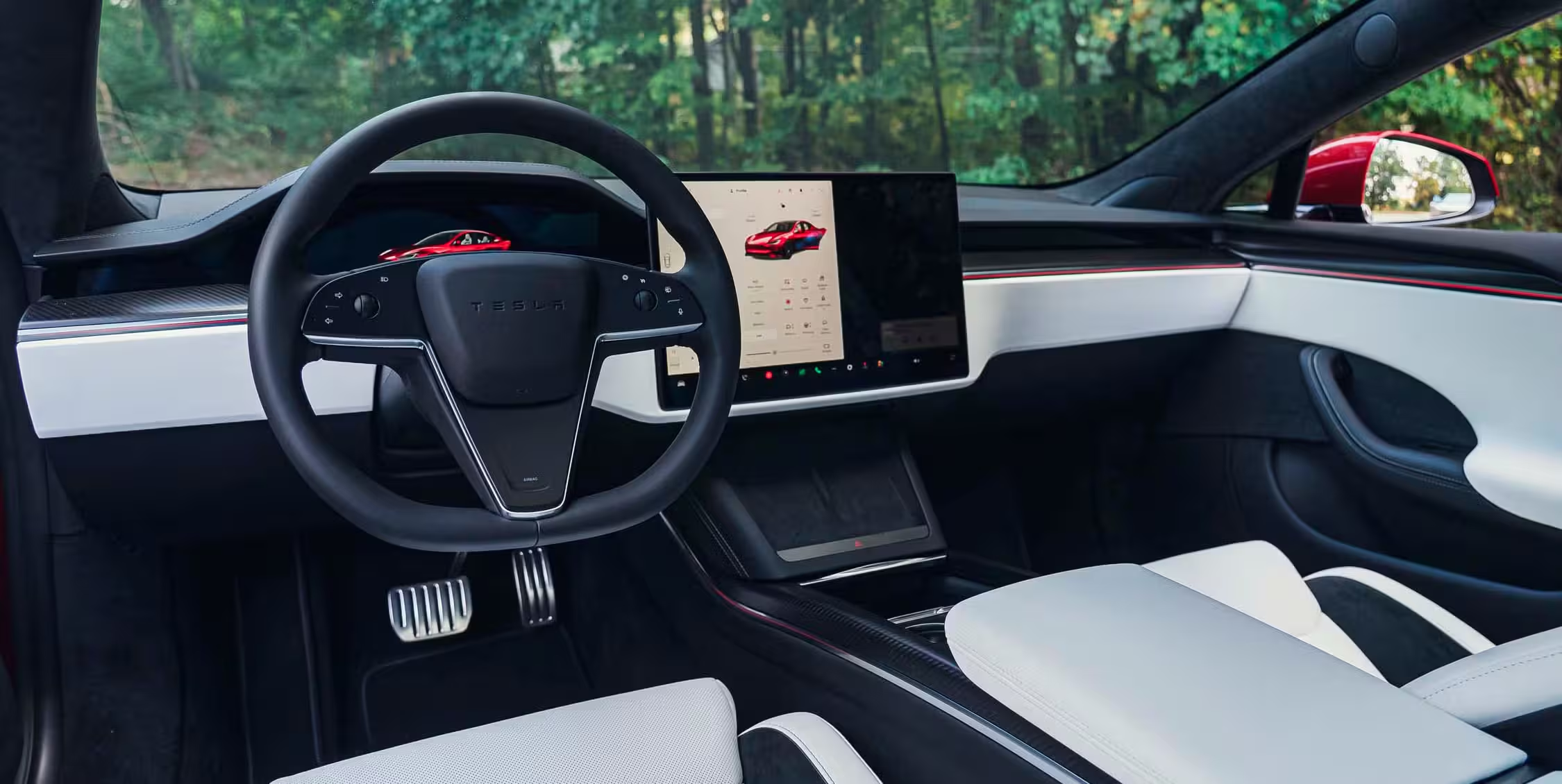
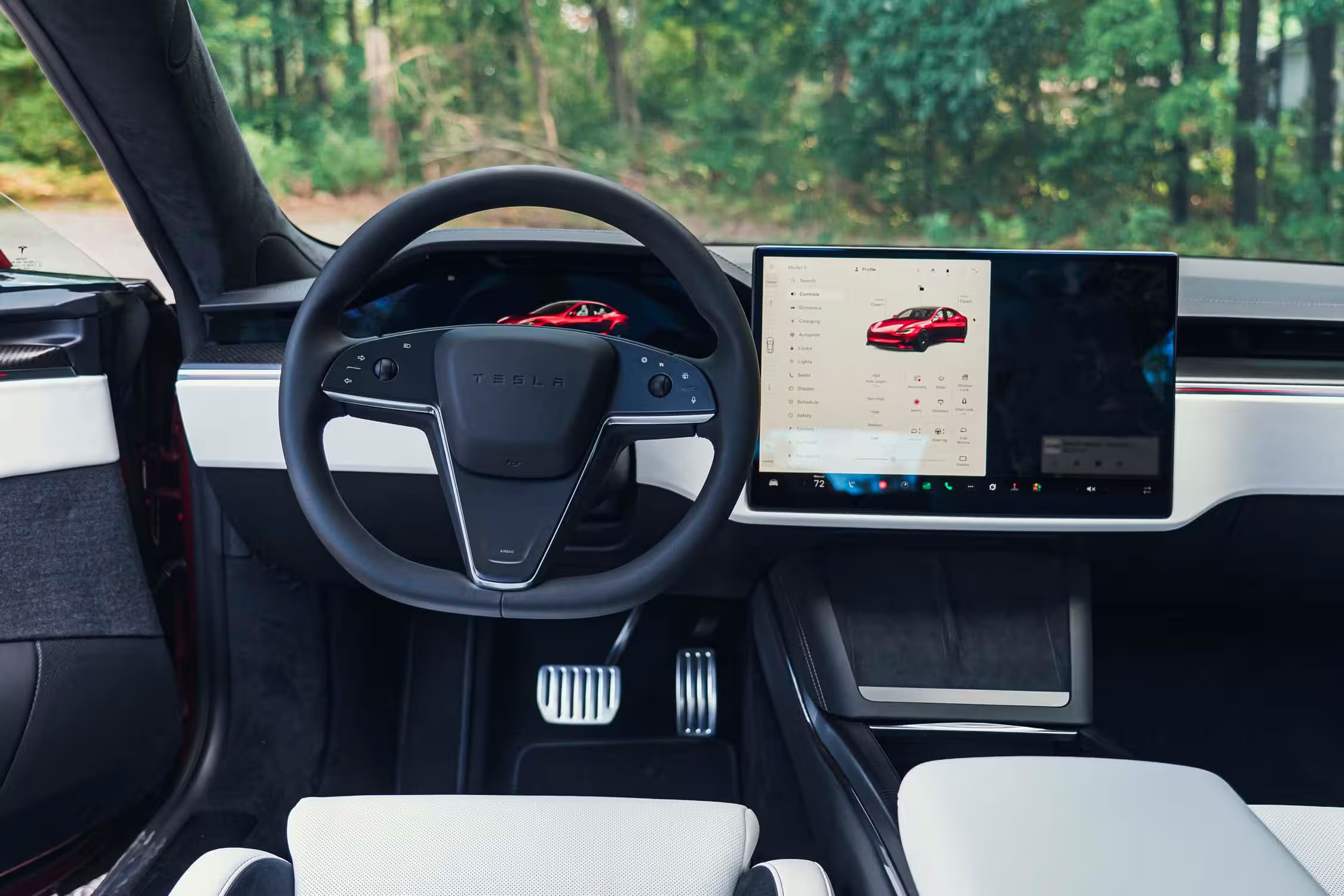
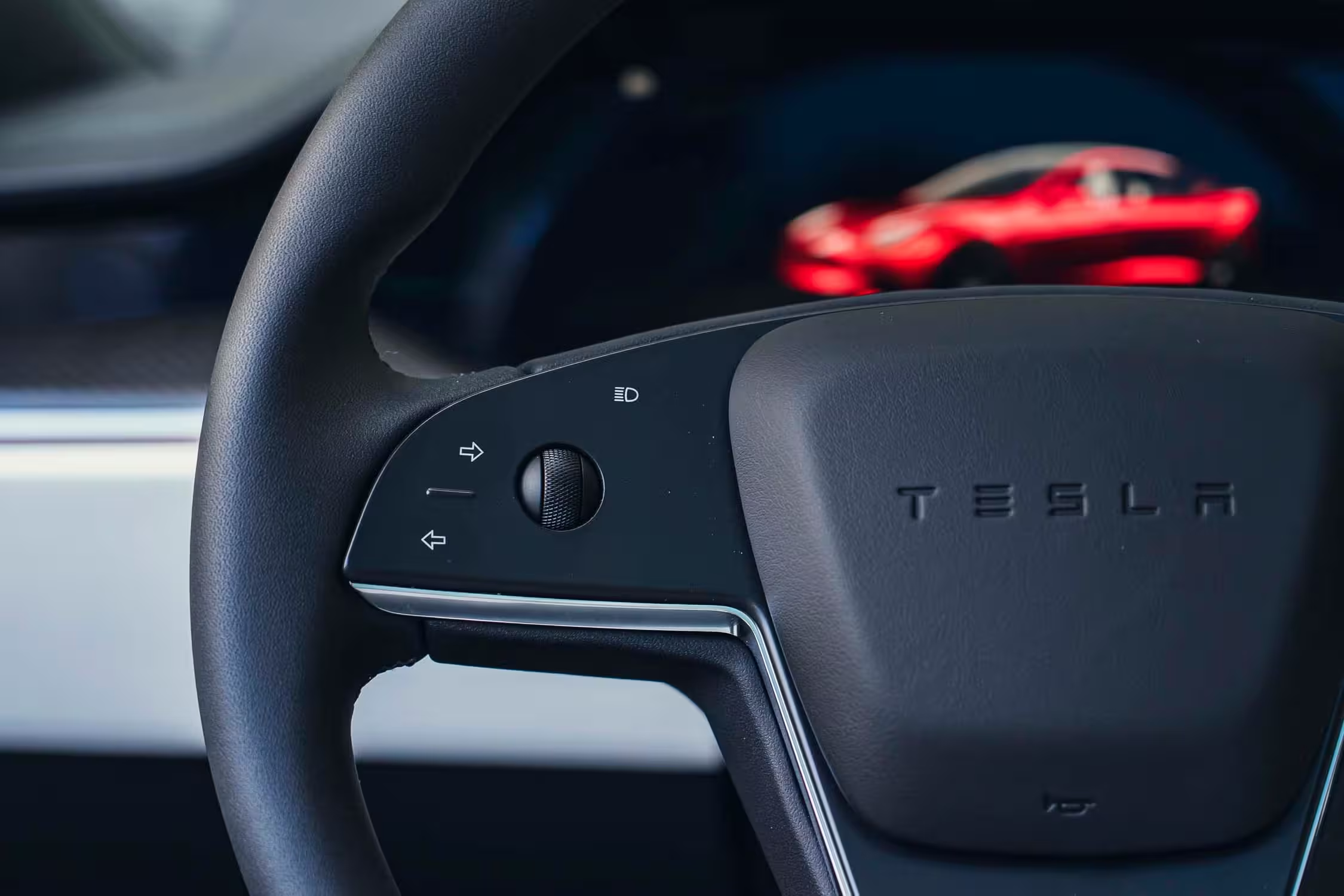
The 2021 interior update—landscape touchscreen, removal of steering-column stalks, and a cleaner dash—carried over unchanged. For 2026 Tesla still offers the optional yoke steering wheel for a $1,000 upcharge; our test car came with a conventional wheel, which remains the more practical choice for most drivers.
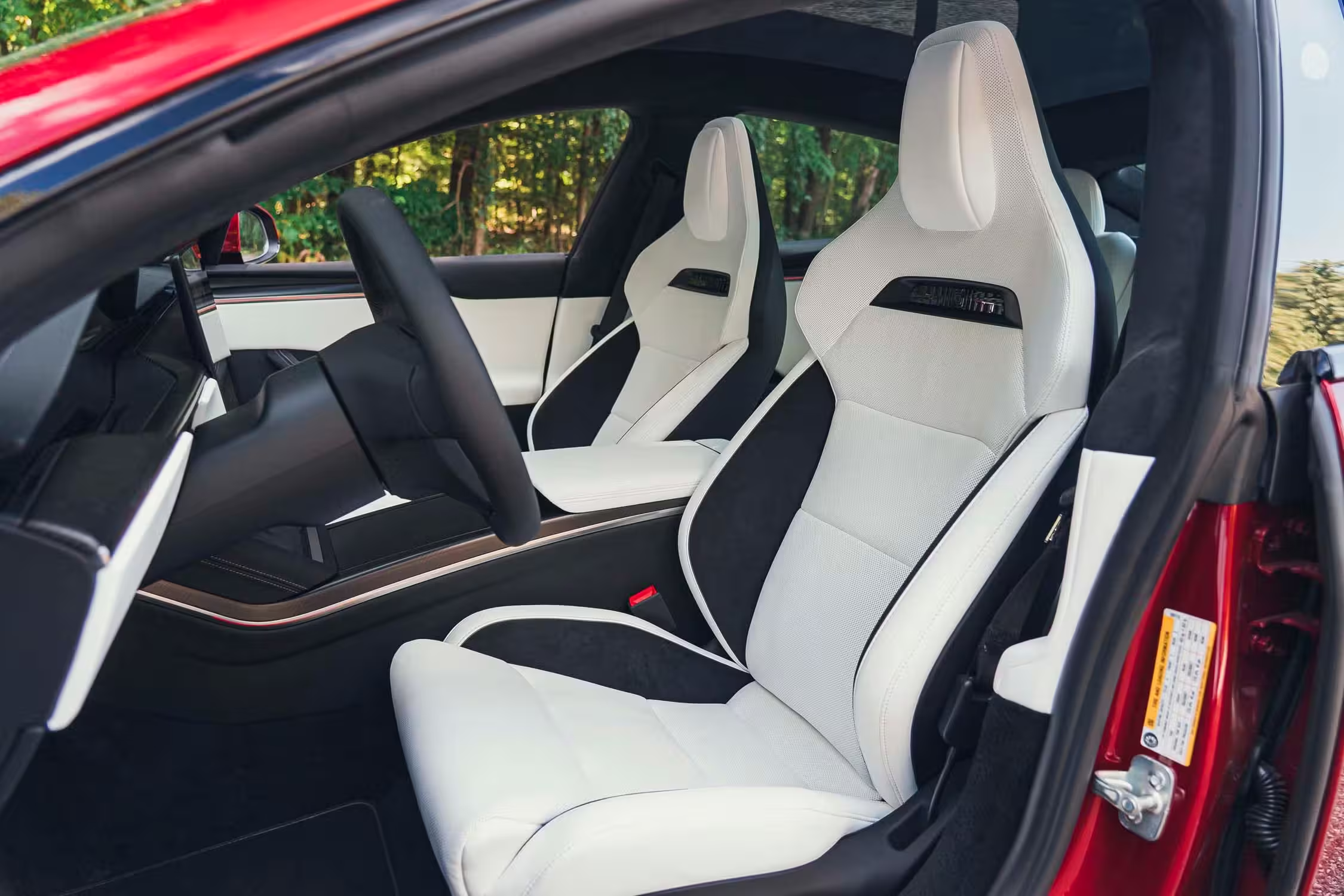
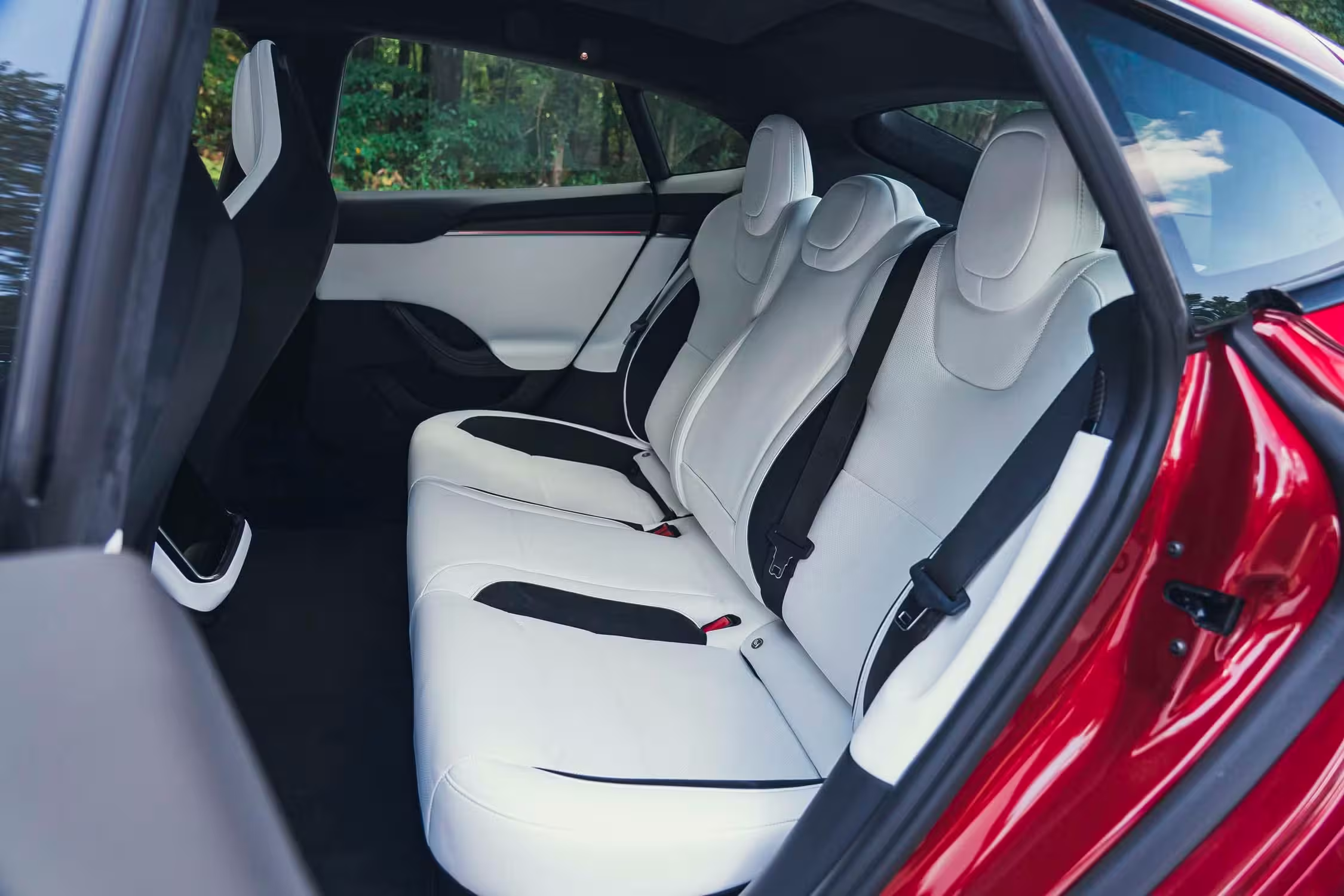
Controls remain unorthodox: turn signals and lights are buttons on the left spoke, wipers are a button on the right, and gear selection is a swipe on the central screen. There’s a small driver display ahead of you that provides welcome supplemental information missing from the Model 3 and Y. Interior trims remain stark and modern; the bright white of the optional Black-and-White seats looks striking until it doesn’t—jeans can stain them easily.
Real-world range and efficiency
Range is a strong point for the Plaid. Our 75-mph highway test returned an impressive 300 miles—very credible when you account for Tesla’s weird EPA labeling practice. Tesla currently publishes EPA figures only for the 19-inch-wheel version (110 MPGe combined, 368-mile range), while the 21-inch-equipped Plaid actually nets about a 309-mile EPA estimate. Because the EPA sticker displayed on the car sometimes doesn’t update for the larger wheels, consumers should be careful to check the in-configurator range when ordering. Against the 309-mile EPA benchmark for 21-inch wheels, our 300-mile highway result is notable and practical.
DC fast-charging performance averaged about 122 kW from 10–90%, taking roughly 37 minutes to fill—respectable but not class-leading compared with some rivals that sustain higher peak charge rates.
 |  |  |
Technology, Autonomy and Value
Tesla’s Full Self-Driving package is now explicitly labeled Full Self-Driving (Supervised), which is an accurate and important clarification. Treated as an advanced driver-assist suite rather than true autonomy, the system performs well within its supervised limitations and remains one of the most capable semi-autonomous stacks available—provided drivers remain attentive.
Importantly, Tesla includes free supercharging credits and the supervised FSD package with the base price for the Plaid in some markets, making the car a better value on paper. Our as-tested price was roughly $120,630 including the 21-inch wheels ($4,500), Ultra Red paint ($2,500) and the two-tone vegan-leather interior ($2,000). For the performance and tech included, the Plaid undercuts many bespoke supercars while delivering everyday usability.
Market positioning and who should buy one
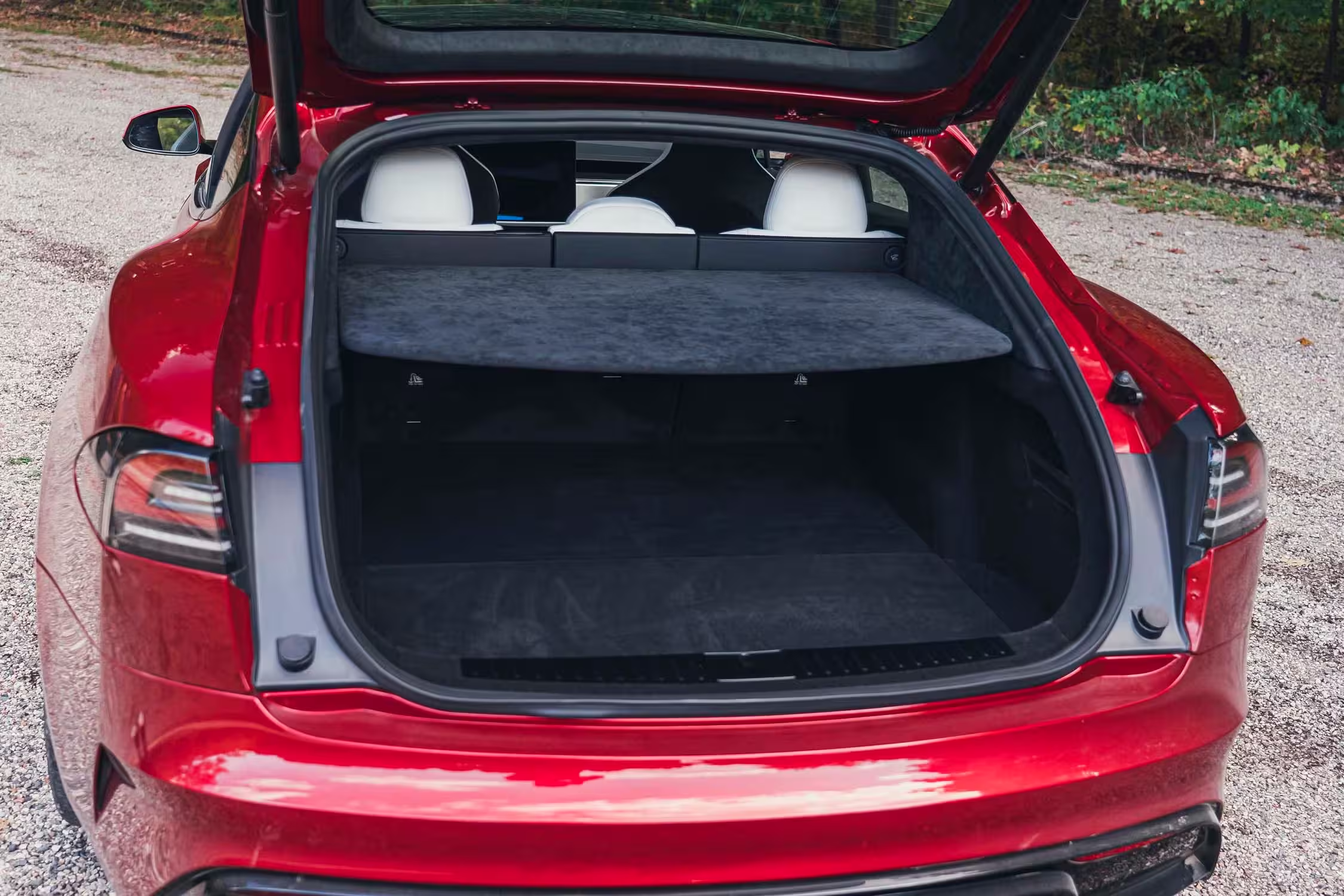
The 2026 Model S Plaid slots into the market as a performance-focused, long-range electric sedan that offers supercar-rivaling acceleration with the practicality of a four-door hatchback. Buyers who prioritize straight-line speed, fast charging access and an extensive EV ecosystem will find the Plaid compelling. Enthusiasts who demand razor-sharp steering feedback, top-tier cornering composure, or a thoroughly updated design language may prefer rivals from legacy sports-car brands or Porsche's Taycan variants.
Highlights and lowlights
- Highs: Staggering acceleration, very good real-world highway range, improved value proposition.
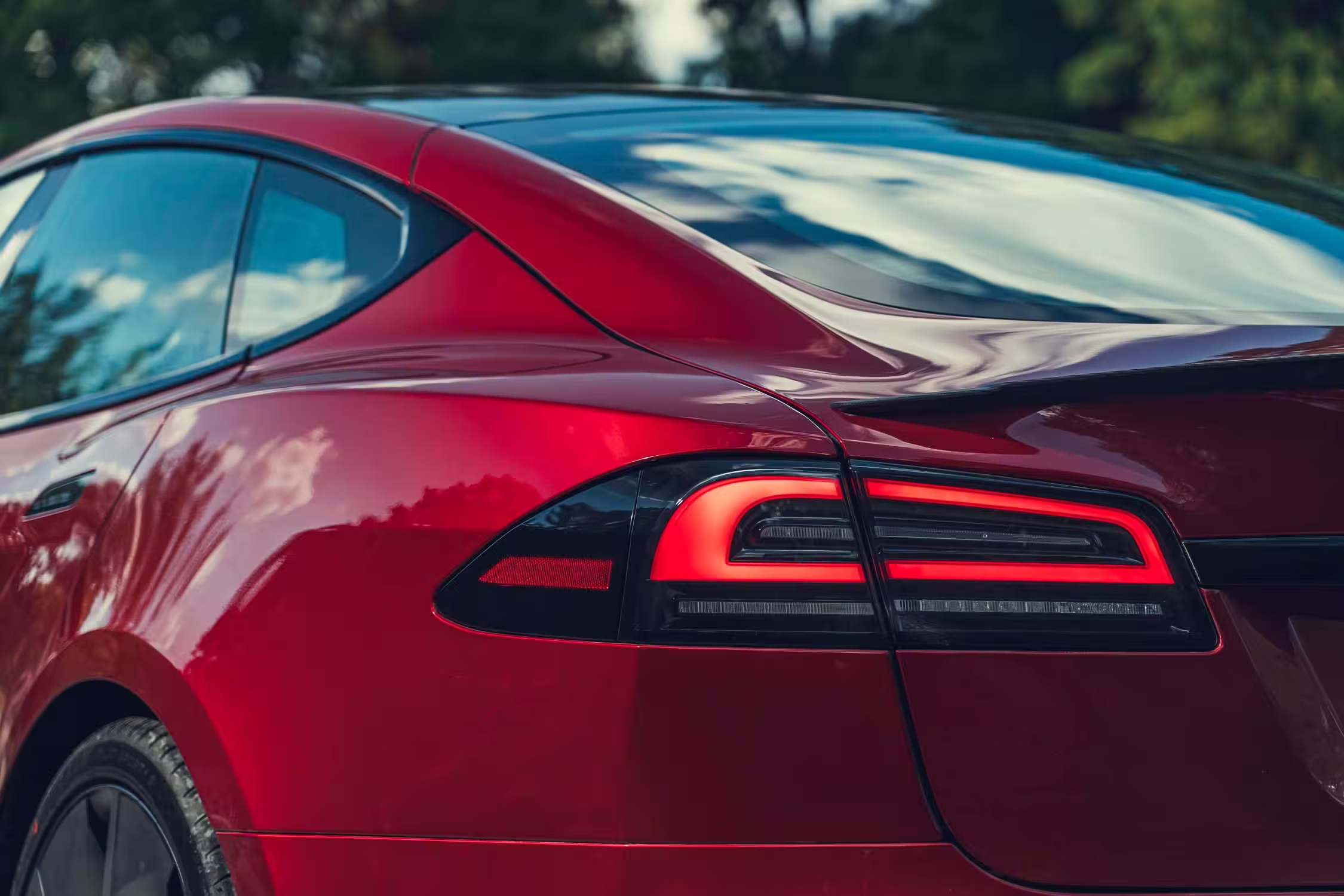
- Lows: Aging exterior styling, interior remains minimalist and occasionally stark, steering feel lacks confidence at the limit.
Specifications at a glance
- Estimated combined power: 1,006 hp
- Battery: ~99 kWh liquid-cooled lithium-ion
- 0–60 mph: 2.1 seconds
- 1/4-mile: 9.4 sec @ 151 mph
- EPA combined (19-in): 110 MPGe; EPA range (19-in): 368 miles
- Real-world 75-mph highway range (21-in test car): 300 miles
- Top speed (governed): 163 mph; theoretical without limiter up to ~200 mph with Track package
Verdict
The 2026 Tesla Model S Plaid is very much a car of focused strengths: it sets the benchmark for acceleration and offers a convincing real-world range for long-distance driving. Five years after the last major refresh, the Plaid's formula is unchanged—fast, practical, and occasionally imperfect in dynamics and interior refinement. For buyers after jaw-dropping EV performance with usable daily range and Tesla’s charging network, the Plaid remains a uniquely persuasive choice. For buyers chasing the last word in chassis finesse or a fully modernized cabin, rivals now offer tempting alternatives.
"The Plaid is a reminder that in EVs, brute acceleration can still coexist with practical range—Tesla just hasn’t solved every refinement problem yet."
For enthusiasts, the question is simple: if you want outright acceleration and a practical electric GT, the 2026 Model S Plaid still belongs at the top of the shortlist. If you want a more engaging steering feel or a thoroughly new design, it may be time to look elsewhere—or wait for Tesla's next big leap.
 |  |  |

“I cover automotive innovation, electric vehicles, and the future of mobility — where technology meets sustainability.”

Discussion
Leave a Comment