
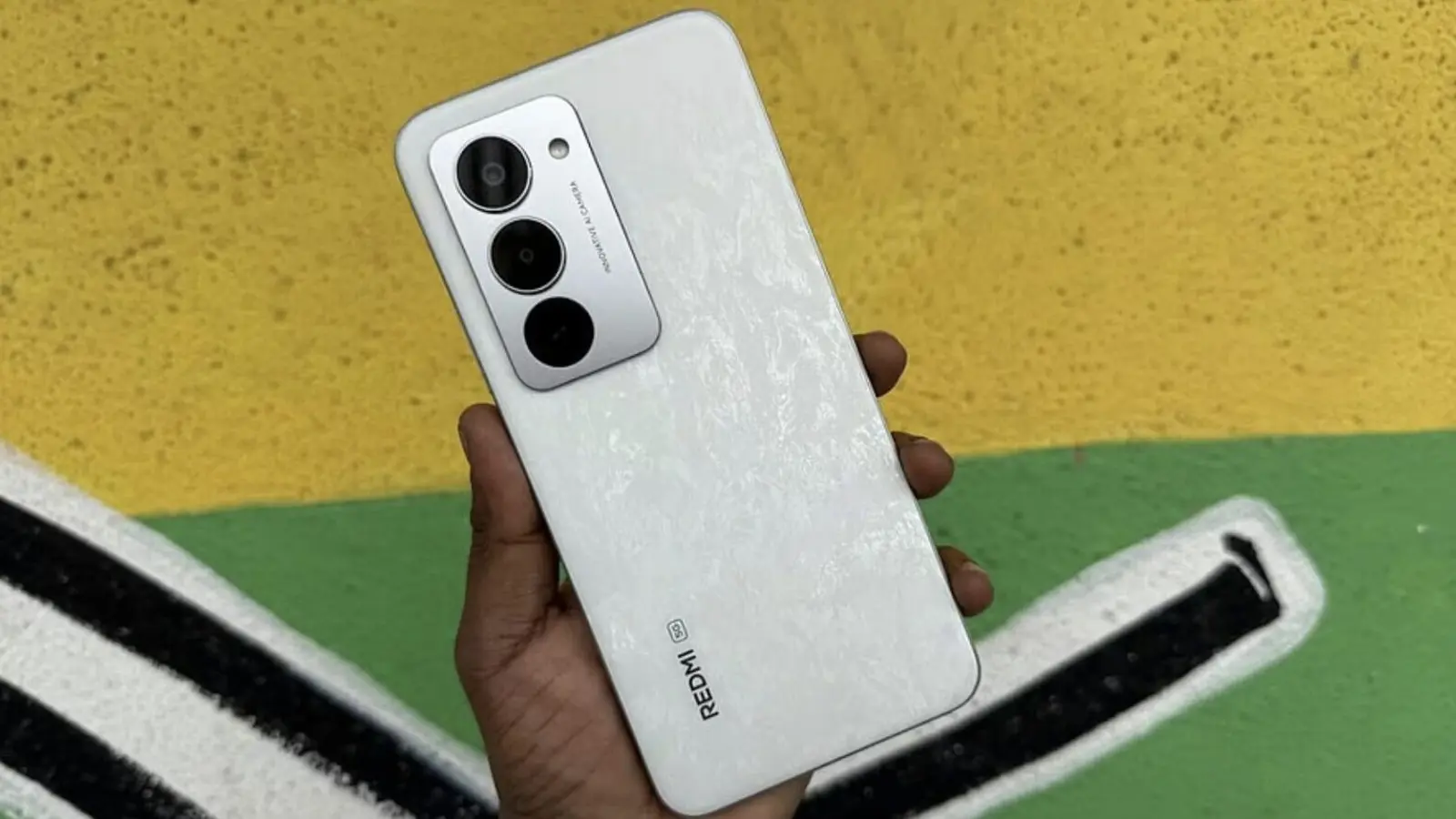
China’s smartphone market is heading into a choppy 2025, with overall shipments expected to dip slightly—even as competition heats up and component costs climb. But amid the turbulence, one brand is quietly gaining ground: Xiaomi. New forecasts from Counterpoint Research suggest the company (along with its Redmi lineup) could be one of the few major winners in a year defined by reshuffles at the top and pressure on budget devices.
A tight race, and Huawei looks ready to reclaim the crown
After years of uncertainty, Huawei is projected to take the #1 spot in China for the full year 2025. Counterpoint’s outlook puts Huawei at an estimated 16.9% market share, representing about 1.7% year-over-year growth. That may sound modest, but in a slowing market, even small gains can signal big momentum—especially when rivals are expected to slide backwards.
The takeaway isn’t just that Huawei is back. It’s that the competitive order is changing again, and brands that can hold pricing, manage supply, and keep demand steady will have an edge.
Xiaomi’s steady climb while rivals slip
While the spotlight often lands on whoever takes the top ranking, Xiaomi’s story in 2025 is more subtle—and arguably more impressive. Counterpoint projects Xiaomi’s shipment share will rise from 15.0% in 2024 to 15.7% in 2025, a gain of +4.3%.
That upward move stands out because several well-known competitors are forecast to fall sharply. vivo is expected to decline by -6.7%, and Honor could see an even steeper drop of -12.6%. In other words, Xiaomi isn’t just “holding on”—it’s expanding its position while others lose share.
Part of that resilience comes from Xiaomi’s broad product mix and the stickiness of its ecosystem. When consumers already use Xiaomi wearables, smart home gear, or budget-friendly accessories, upgrading to another Xiaomi or Redmi phone becomes the easier choice. In a year where shoppers may hesitate or trade down, familiarity matters.
Apple’s Q4 surge may hinge on the iPhone 17
Apple may not lead China’s smartphone market for the full year, but it’s expected to dominate the biggest sales stretch: the final quarter. Counterpoint projects Apple could hit 21.8% market share in Q4 2025, driven largely by demand for the iPhone 17 series.
Not every rumored model is expected to be a blockbuster, though. Analysts suggest the widely discussed “iPhone Air” may contribute less than 10% of Apple’s total sales—meaning Apple’s quarterly spike could depend heavily on the core iPhone 17 lineup rather than a breakout “new category” device.
Why cheap phones could get pricier in 2025
The bad news for bargain hunters is happening far upstream. Counterpoint warns that DRAM memory prices could rise by 40–50% in Q1 2025, followed by another ~20% increase in Q2. DRAM is a key component in smartphones, and sudden price jumps can quickly squeeze margins—especially on entry-level devices where profits are already thin.
If those memory cost hikes stick, manufacturers may respond in predictable ways:
- Fewer ultra-affordable models (some low-margin lines could be delayed or cut)
- Higher prices for budget and mid-range phones
- More aggressive cost-cutting on specs like storage tiers, cameras, or bundled accessories
That could directly affect brands known for value—potentially including entry-level Redmi and POCO-style devices—while making the “best cheap phone” segment harder to deliver without compromises.

“Blockchain and fintech are reshaping finance. I break down market trends, regulations, and innovations for a global audience.”

Discussion
Leave a Comment
Comments (2)
Xiaomi quietly winning is my bet. ecosystem + budget focus = safe play. but if DRAM spikes, expect fewer killer deals, sad but realistic
Wait Huawei #1? DRAM up 40-50% in Q1 sounds insane, will Redmi/POCO survive price squeeze? kinda skeptical, supply chains can flip fast..