
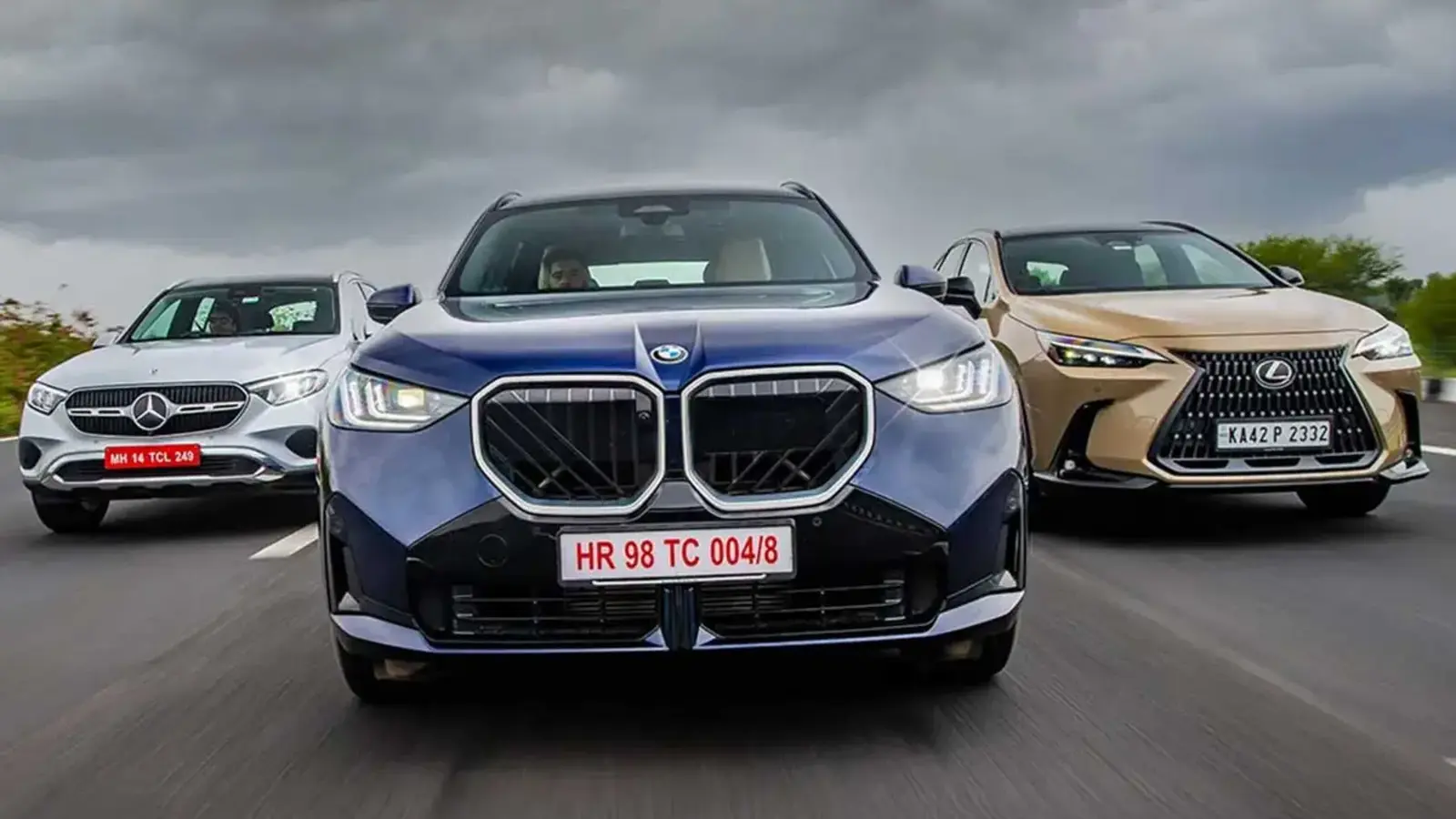
BMW retains crown as 2025 U.S. luxury market closes
BMW reclaimed the top spot among luxury automakers in the United States for 2025, selling 388,897 vehicles and edging out longtime rivals. The yearlong race went down to the wire, but BMW’s broad lineup and steady demand helped it finish ahead of Lexus and Mercedes-Benz.
Top performers and notable shifts
Lexus finished a strong second with 370,260 deliveries, while Mercedes-Benz sold 303,200 units (excluding commercial vans) to take third. The biggest surprise of the year was Cadillac’s leap into fourth place: Cadillac sold 173,515 vehicles, up 8.3%, overtaking Audi, whose sales plunged 16% to 164,942 units.
Key highlights:
- BMW: 388,897 units (+4.7%)
- Lexus: 370,260 units (+3.5%)
- Mercedes-Benz: 303,200 units (+1.0%)
- Cadillac: 173,515 units (+8.3%)
- Audi: 164,942 units (−16.0%)

Electric vehicles reshaping brand performance
Electric models played a visible role in the ranking. Cadillac reported that 28.3% of its sales were electric vehicles in 2025, while BMW’s EV share reached 10.9%. However, the removal of federal tax incentives in September dented EV demand in the final quarter, slowing momentum across several luxury lines.
"The EV transition is accelerating, but policy changes can quickly alter buyer behavior," said an industry analyst. "Brands that balance internal-combustion options with compelling EV lineups fared best this year."
Winners, losers and comeback strategies
On the positive side, Genesis — celebrating its tenth year — grew 9.8% to 82,331 units, underlining the brand’s successful repositioning. Acura recorded a modest 0.8% gain with 133,433 sales, while Lincoln rose 2% to 106,868.
Several marques struggled: Land Rover dropped 10.5% to 78,500 units, Porsche declined 10% to 66,952, and Infiniti posted the weakest performance with just 52,846 sales (−9%), less than half of its pre-pandemic volumes.
To regain ground, Infiniti is betting on fresh products. One of the most talked-about moves is the planned return of the Q50 sedan in 2027 on a rear-wheel-drive platform, reportedly available with a manual gearbox — a deliberate appeal to driving enthusiasts.

Industry moves and outlook for 2026–2027
Audi’s decline has been linked in part to new U.S. import tariffs (since most of its lineup is built overseas), prompting serious consideration of a U.S. manufacturing facility to improve competitiveness. Meanwhile, Mercedes-Benz aims to push sales above 400,000 units with new model introductions to challenge BMW for the top spot.
These developments point to a more aggressive product cadence and regional production shifts in the next two years. For buyers and observers, 2026–2027 should bring more electrified choices, renewed model campaigns, and strategic factory investments — all factors that will determine who leads the luxury segment next.
Quick takeaways
- BMW led the luxury market in 2025; Audi experienced a sharp decline.
- Cadillac’s strong EV share helped push it ahead of Audi.
- Policy changes (federal incentives) hit EV sales in Q4.
- Expect product launches and possible new U.S. plants to reshape rankings in the coming years.

“I cover automotive innovation, electric vehicles, and the future of mobility — where technology meets sustainability.”

Discussion
Leave a Comment
Comments (2)
Is Audi's plunge really just tariffs or did the EV incentive shift crush them too? Building a US plant is massive and slow, curious what they do next
Wow BMW barely held the crown, Lexus nipping at heels. Cadillac's leap is wild, EVs really flipping the script… Q: will Mercedes fight back? if that’s real then...