
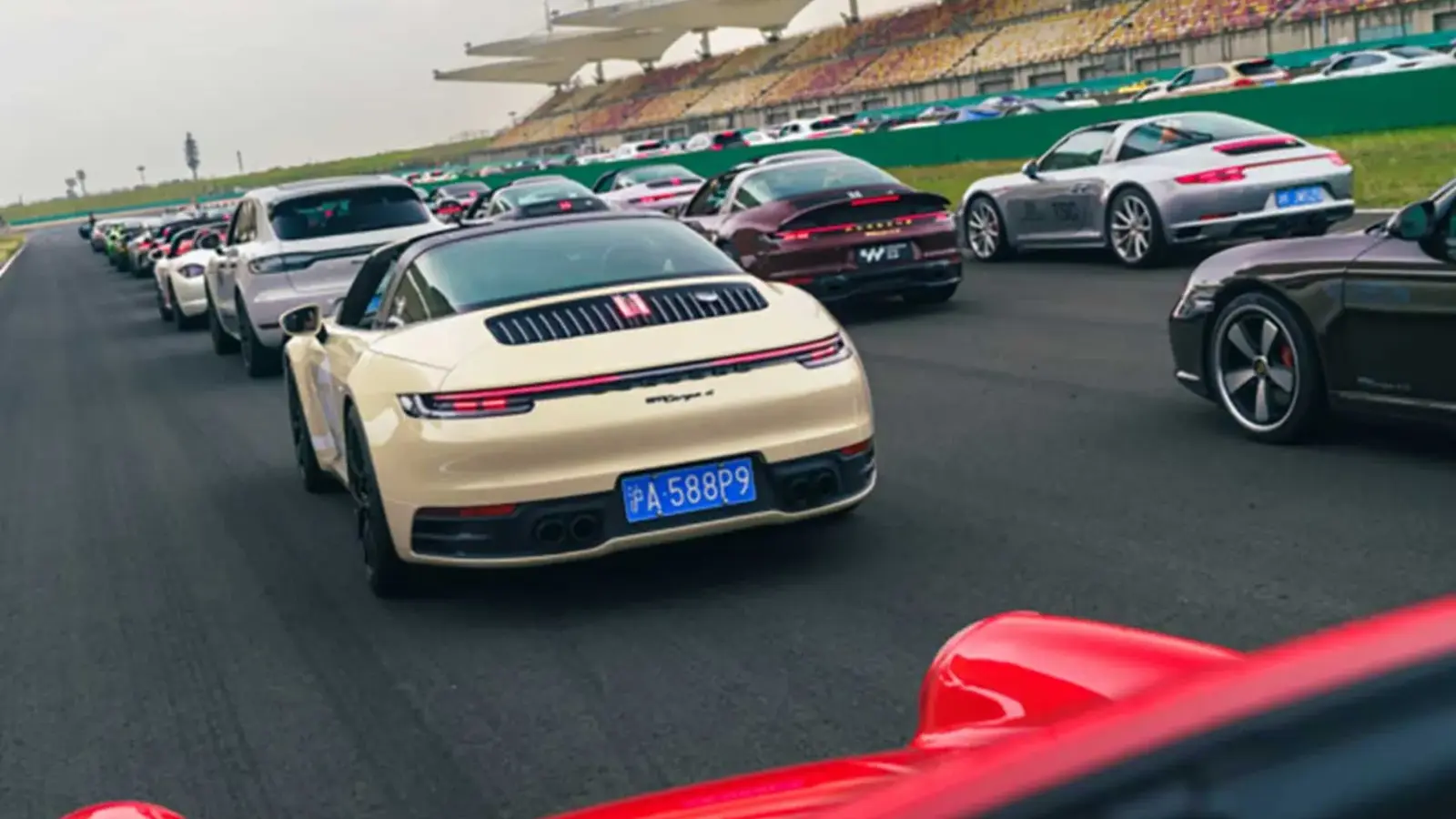
Porsche trims China dealer network amid steep sales decline
Porsche has announced a significant restructuring of its China sales network, closing roughly 30% of its dealerships and redirecting the freed capital into research and development. Pan Liqi, CEO of Porsche China, framed the move as a structural cost-saving strategy designed to stabilize operations and accelerate product and technology investments for the Chinese market.
What happened in China?
The decision follows a multi-year slump. Porsche’s China deliveries fell from 95,671 units in 2022 to just 41,938 in 2025 — a fall of 56.2% over three years and a 26% decline year-on-year from 2024 to 2025. The situation worsened at the end of 2025 and into January 2026 when several dealerships stopped operations due to weak sales and financial difficulties. High-profile closures, including the Zhengzhou Zhongyuan and Guiyang Mengguan sales centers, triggered problems with overdue deposit refunds and incomplete documentation for delivered vehicles — issues that dented consumer trust in Porsche’s largest market.

Dealer network reshaped
At the end of 2024 Porsche China operated about 150 sales points; that number fell to 114 by the end of 2025. The company now plans to reduce the network to roughly 80 dealerships by the end of 2026. Pan Liqi emphasized the aim is not simply to cut costs, but to reshape the dealer footprint to focus on profitability, customer experience, and targeted product offerings tailored to Chinese buyers.
Redirecting savings into R&D
Proceeds from the consolidation will be invested in an integrated Porsche R&D center in Shanghai. Porsche says the funds will accelerate development of China-specific models, advanced powertrains, and intelligent driving technologies — areas the company believes are critical to win back growth. Despite the greater focus on local collaboration for technology, Porsche reiterated it has no plans to build a manufacturing plant in China.
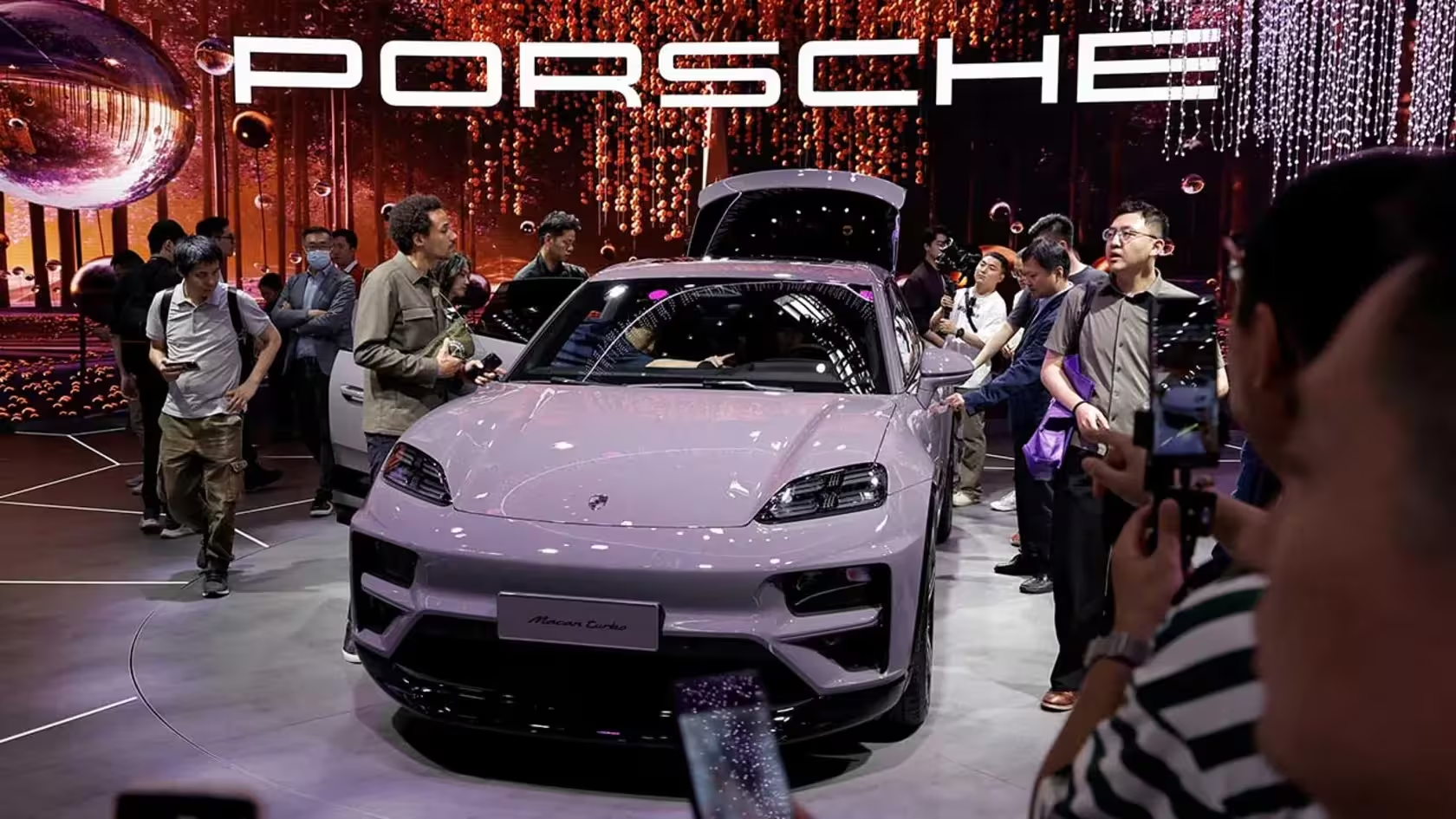
New models and market strategy for 2026
Porsche plans to launch two new crossover models by the end of the year, each offered with conventional petrol and plug-in hybrid powertrains. The cars target B- and D-segment crossovers — a move meant to fill gaps in the lineup and appeal to Chinese consumers who favor versatile SUVs and electrified options.
- Key targets: 80 dealerships by end of 2026; more R&D investment in Shanghai.
- Product focus: B- and D-segment crossovers with petrol and plug-in hybrid variants.
- Partnerships: Cooperation with Chinese suppliers on smart driving technologies.
"We are undergoing a structural reset to focus on models tailored for China and to improve dealer performance and customer experience," Pan Liqi said. In the short term Porsche expects volume to remain under pressure in 2026, but the company views the downturn as temporary and tied to market reshaping rather than a loss of long-term demand.
Market implications and buyer considerations
The dealer consolidation carries short-term risks: local customers may face reduced access to service points in some regions, and trust recovery will take focused PR and customer care efforts after the deposit and paperwork incidents. For buyers, Porsche’s emphasis on quality, customer experience, and new electrified crossovers suggests the brand will lean into premium product differentiation rather than competing on volume.
For automotive observers, Porsche’s move underscores how even the most prestigious brands must adjust distribution, dealer economics, and product strategy to remain competitive in China’s evolving EV and smart-driving landscape.
Highlights:
- ~30% dealer closures in China to cut costs and free R&D funds.
- New B- and D-segment crossovers with petrol and plug-in hybrid options planned.
- No plans to localize production; focus on tech partnerships and Shanghai R&D hub.


“Cars are evolving faster than ever. I cover electric vehicles, smart mobility, and the future of transportation worldwide.”

Discussion
Leave a Comment
Comments (2)
Cutting dealers to free R&D cash ok, but no local plant? seems like short term optics. They need local builds and stronger EV push, meh
30% closures? Is this even real - how do they expect to regain trust after deposit refunds and dead showrooms... risky move, imho