
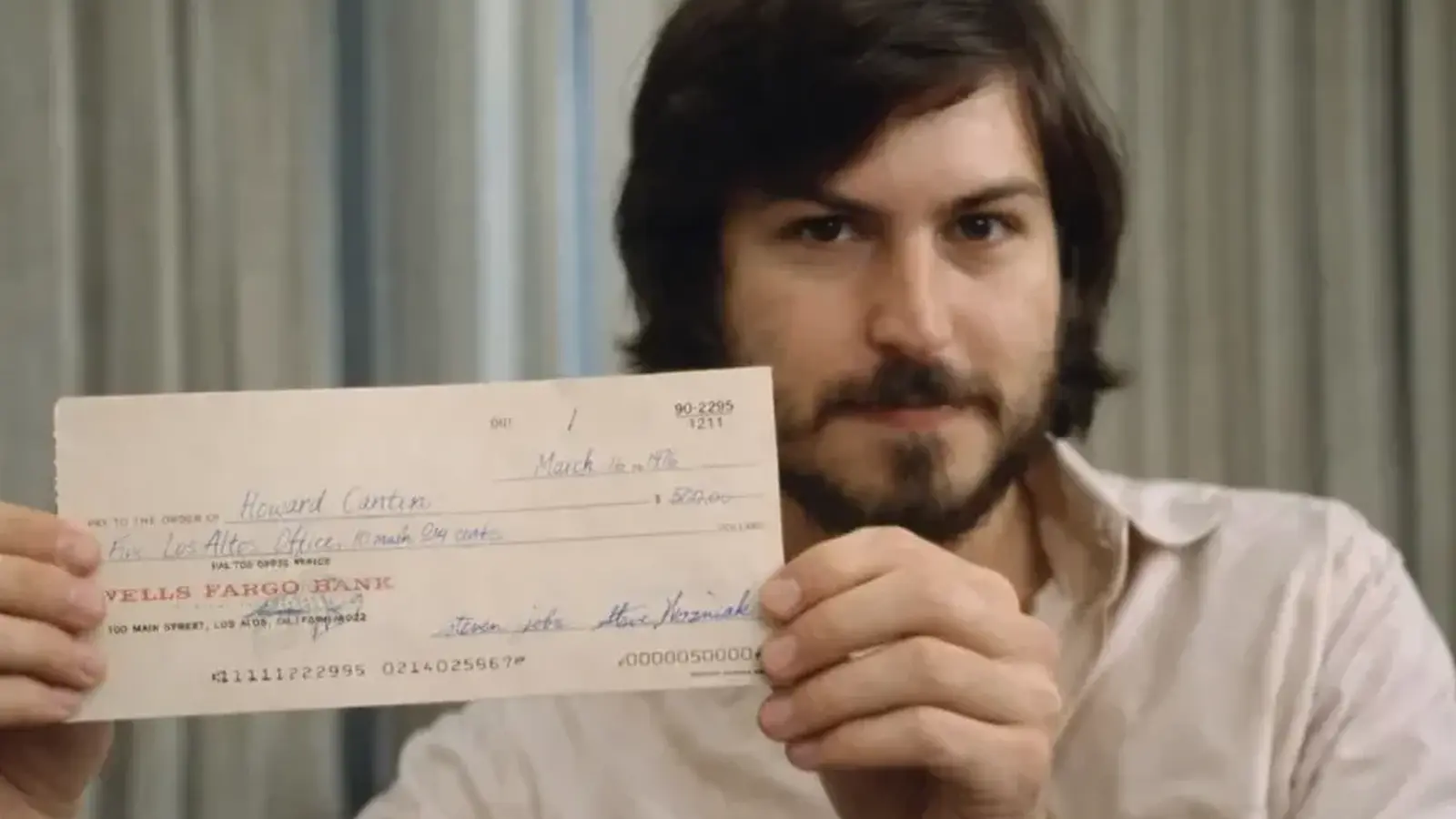
It arrived like a small piece of paper carrying the heft of a legend. A simple check — dated March 16, 1976 and labeled "Check No. 1" — sold for $2,409,886 at auction, turning what was once a modest $500 transaction into one of the priciest tech relics ever traded.
Why the frenzy? Because this check was signed by Steve Jobs and Steve Wozniak and represents what many consider Apple’s first official commercial step: a $500 payment to Howard Cantin to turn Wozniak’s schematics into a manufacturable printed circuit board for the Apple-1. Picture the scene: founders hunched in Jobs’ parents' garage, soldering and scheming. Small moves. Big consequences.

Experts had penciled in a much humbler figure — roughly half a million dollars — yet the final hammer stunned the market, shattering previous records for signed checks at public auction. The sale on January 29 dwarfes earlier transactions: two other early Apple checks that changed hands in 2023 fetched about $107,000 and $46,000 respectively. This one, however, has a unique provenance and a signature scarcity few artifacts can match. Steve Jobs was notoriously sparing with autographs, and items bearing his handwriting have long been treated like rare coins among collectors.
Bobby Livingston, senior vice president at RR Auction, framed the document’s cultural weight bluntly: this isn’t just a piece of paper; it’s arguably the most important financial record in Apple’s history. Collectors, he suggested, were bidding not only on ink but on an origin story—on the moment when hobbyist electronics crossed into commercial ambition.

There’s a human element here that numbers don’t capture. That $500 check paid for a bridge from idea to product, the kind of transactional nudge that turns tinkering into industry. The Apple-1 itself now occupies museum cases and auction catalogs; this check is an artifact of the very decision to make and sell, to scale and risk.
So what does a $2.4 million price tag actually buy? In part, a confirmed spot in history and a credential of authenticity—proof that the company we know today began with small, deliberate bets. It’s a reminder that the most ordinary documents can become extraordinary as their context changes.
Collectors will keep hunting for tangible links to tech’s origin stories. And for everyone else, the sale prompts a quieter question: which ordinary item sitting in a drawer today will define tomorrow’s narrative?


“I love exploring gadgets, apps, and trends that redefine how we connect, work, and play in a digital world.”

Discussion
Leave a Comment
Comments
No comments yet. Be the first.