
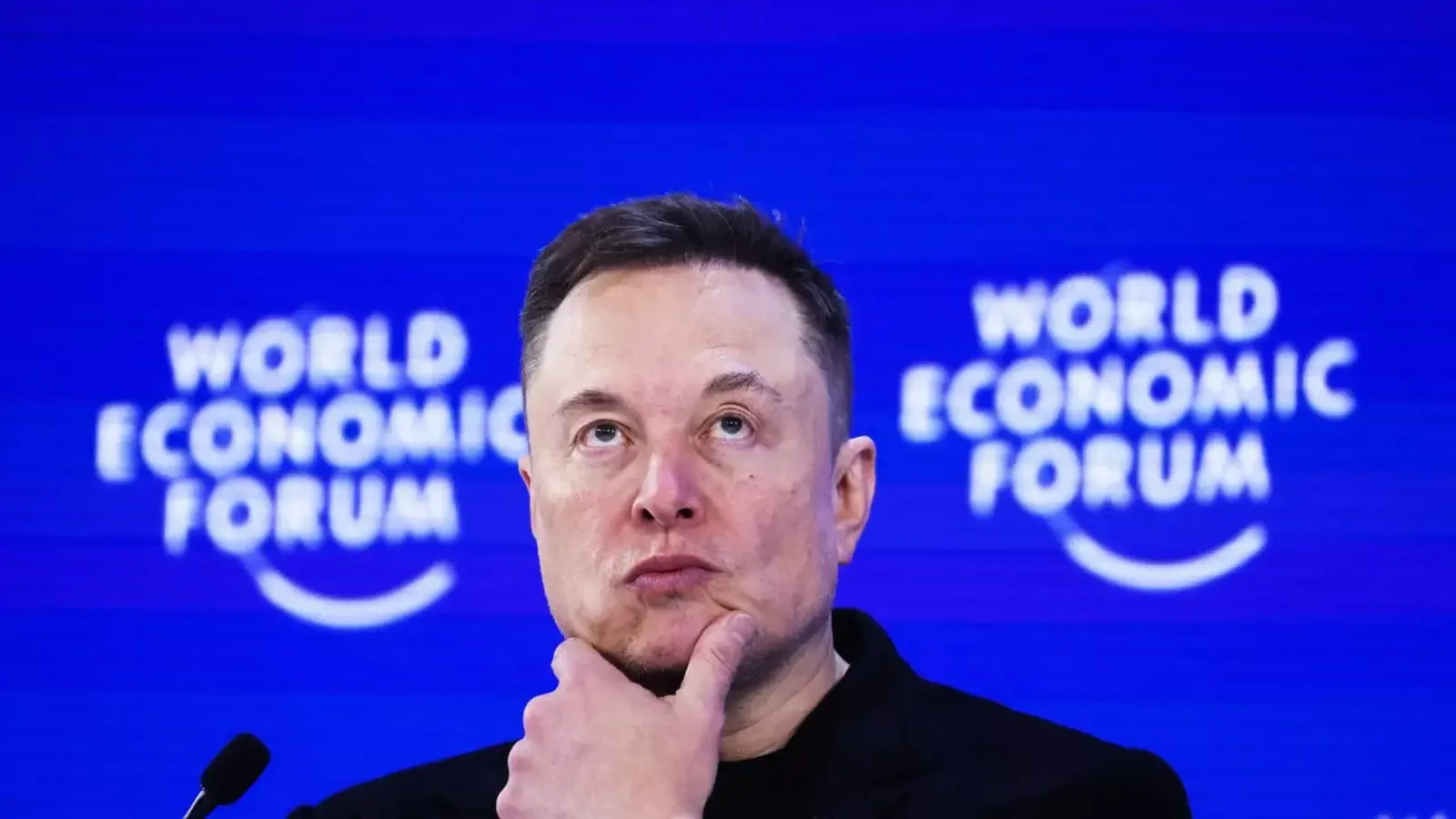
Elon Musk is now the first person in history to cross the $800 billion mark in personal wealth.
That milestone didn’t arrive out of nowhere. Forbes now pegs his net worth at roughly $852 billion after the merger of his AI startup xAI with SpaceX, a deal that values the combined businesses at about $1.25 trillion. Short sentence. Big shift.
The math is straightforward but dramatic. Before the deal, Musk held roughly 42% of SpaceX — a stake Forbes had valued at about $336 billion based on late-2025 share-sale pricing — and about 49% of xAI, which recent private rounds placed near $122 billion. After the merger, SpaceX was priced at $1 trillion and xAI at $250 billion, and Forbes estimates Musk owns roughly 43% of the new, combined company. That single holding now accounts for roughly $542 billion of his fortune, making the space-and-AI combination his dominant asset.
His Tesla ties still matter. Musk retains about 12% of Tesla stock, currently estimated around $178 billion, and holds stock options that Forbes values at about $124 billion. Those figures don’t yet incorporate a newly approved Tesla pay package from November 2025 that could, in theory, add up to $1 trillion more in equity under certain conditions. In other words: Tesla remains central, but SpaceX+xAI just vaulted ahead.

This merger is the second major consolidation among Musk-owned ventures in less than a year. In March 2025 he merged xAI with X (the platform formerly known as Twitter), a move that valued xAI at roughly $80 billion and X at about $33 billion. The latest SpaceX–xAI deal is much larger and reshapes where most of Musk’s capital is concentrated.
Wealth rankings feel different now. Forbes highlights an unprecedented gap between Musk and the world’s next richest figures — about $578 billion more than Google co‑founder Larry Page, whose fortune is estimated near $281 billion. Numbers like that provoke a pause. They also raise practical questions about market influence, governance of private tech empires, and how concentrated wealth intersects with public markets and policy.
What happens next is less certain than the headline number. Valuations can swing. Private financing rounds, stock-market moves, and regulatory shifts all matter. But for the moment, one clear fact stands: the SpaceX and xAI fusion has rewritten the ledger on who controls the largest single fortunes in tech.

“I love exploring gadgets, apps, and trends that redefine how we connect, work, and play in a digital world.”

Discussion
Leave a Comment
Comments
No comments yet. Be the first.