
SpaceX is reportedly gearing up for a secondary share sale that could push its private valuation toward $800 billion — a leap that would place Elon Musk’s space company above OpenAI in the ranking of America's most valuable private firms.
Why $800 billion is possible — and not guaranteed
According to the Wall Street Journal, SpaceX CFO Bret Johnson has been outlining plans for the secondary sale and discussing a potential initial public offering with investors. Company insiders say an IPO could arrive as early as late 2026, but there are no guarantees. The $800 billion figure is ambitious — roughly double the $400 billion valuation recorded during SpaceX’s last secondary share offering — yet the firm’s loyal backers have historically been willing to fund higher price tags.
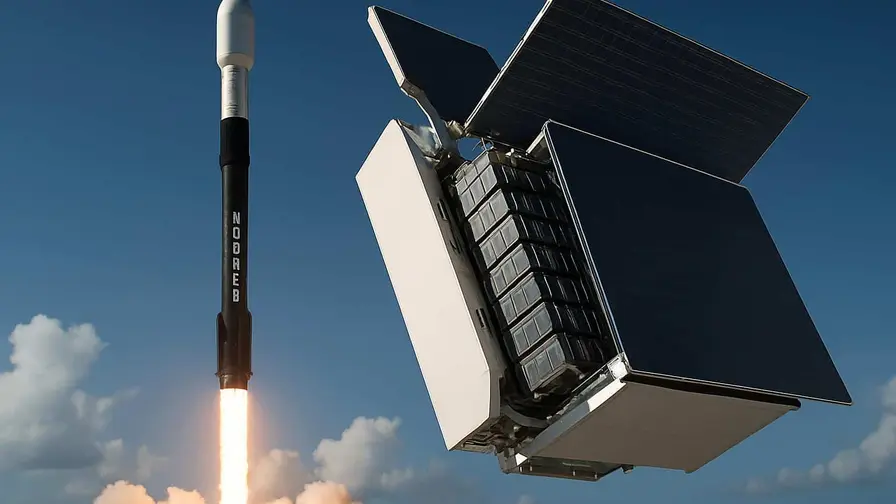
Over the past decade SpaceX has poured capital into reusable rockets, expanded launch facilities and scaled its satellite fleet. Those investments have translated into strong commercial and government demand, putting the company in direct competition with rivals like Jeff Bezos’s Blue Origin for lucrative contracts. At the same time, Starlink — SpaceX’s low Earth orbit satellite internet constellation — remains one of the company’s most valuable assets, providing broadband service worldwide and new revenue streams.

What’s more, SpaceX is developing direct-to-cell satellite connectivity for phones and recently spent in excess of $20 billion to acquire EchoStar spectrum to support that effort. That kind of strategic spending signals that the company is building multiple long-term businesses inside the broader SpaceX umbrella rather than relying solely on launch services.
Investors and the market are watching closely. Many shareholders have long awaited a public listing because SpaceX plays a central role in U.S. government space and defense programs. Elon Musk has even suggested the possibility of letting Tesla shareholders participate in SpaceX’s growth, despite the legal and logistical hurdles such a move could entail. Earlier plans to spin Starlink out as a separate company have been discussed publicly, and any IPO would likely include the Starlink business unit.
Whether the company ultimately reaches an $800 billion valuation will depend on market conditions, execution on its direct-to-cell ambitions, Starlink monetization, and how the firm navigates regulatory and legal challenges. Still, the combination of reusable launch capabilities, expanding satellite services and deep government relationships keeps SpaceX in a strong position to justify a sky-high valuation — if everything goes according to plan.

“I love exploring gadgets, apps, and trends that redefine how we connect, work, and play in a digital world.”

Discussion
Leave a Comment
Comments
No comments yet. Be the first.