
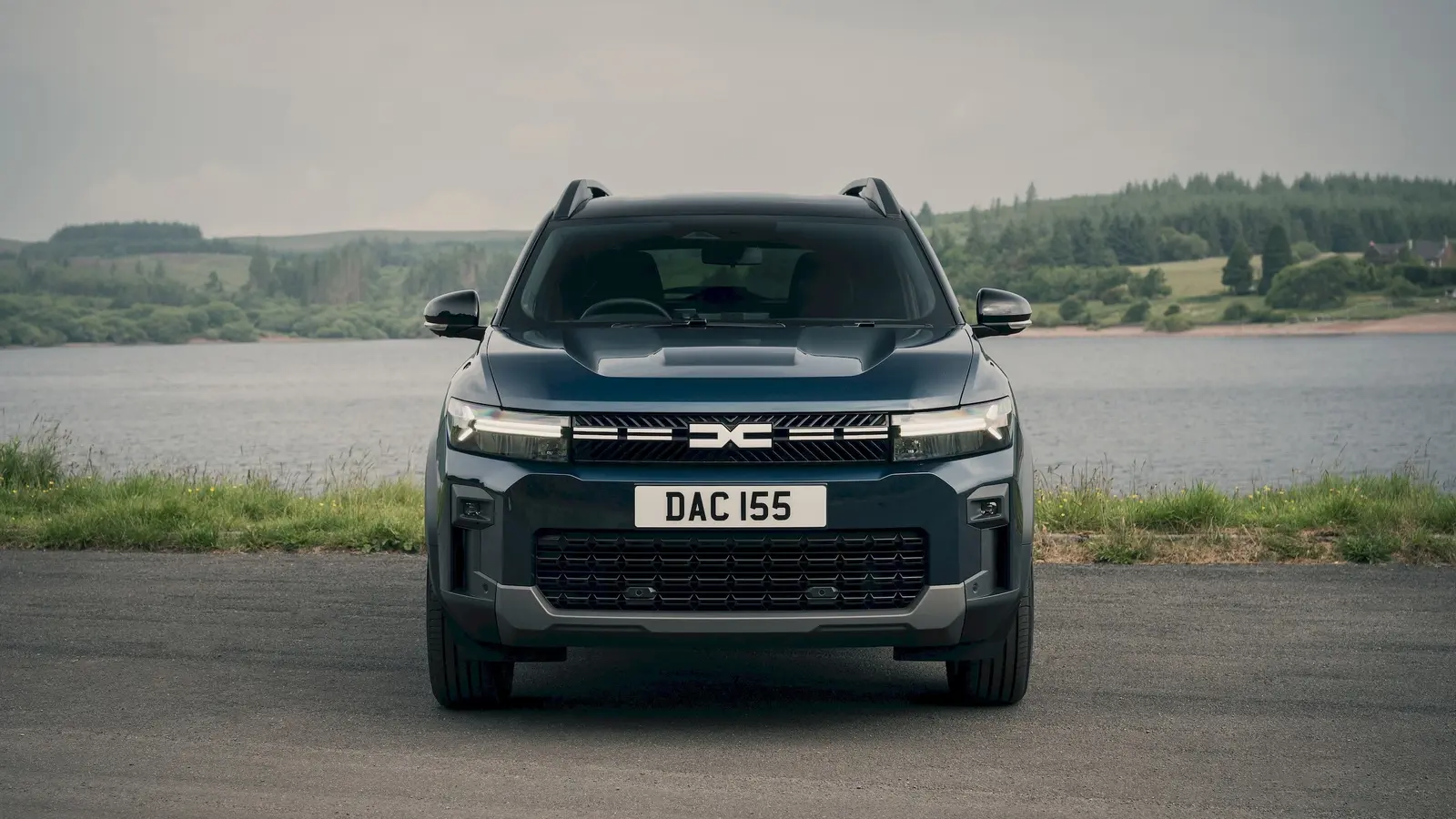
Dacia's Bigster Reaches Six-Figure Production in 12 Months
Dacia has marked a major achievement: the 100,000th Bigster has rolled off the production line in Romania just one year after manufacturing began. The compact crossover’s rapid uptake underlines Dacia’s successful move into the C-segment SUV market, with the Bigster becoming Europe’s best-selling C-segment SUV to retail customers in the second half of 2025.
From budget models to C-segment contender
The Romanian brand built its reputation on value-packed small cars such as the Logan and Sandero. After those subcompact successes, Dacia gradually shifted upwards, first with the Jogger seven-seater MPV and now with the Bigster — a deliberate push into the fiercely competitive compact SUV class.

That step-up was always risky: the C-segment is crowded with established rivals. Yet Dacia’s formula — generous interior space, straightforward engineering and highly competitive pricing — has struck a chord with buyers across Europe.
"We set out to give buyers the feel of a larger car without the premium price tag," a Dacia spokesperson recently commented. "The market response has exceeded our expectations."
Demand, orders and market breakdown
Pre-launch appetite was strong: more than 13,000 orders were logged before European deliveries started. Since production launched in early 2025, total output has topped 100,000 units — a pace that helped secure the Bigster’s place at the top of retail sales for its segment in late 2025.
The UK has been a standout market, contributing nearly 5,000 orders so far. British buyers have shown a marked preference for the full-hybrid 155 powertrain, demonstrating the growing mainstream appetite for electrified drivetrains in compact SUVs.

Key reasons for UK demand:
- Popular full-hybrid 155 setup with 155 hp and front-wheel drive
- Attractive entry price (around £28,190) for a hybrid compact SUV
- Mid-spec Journey trim offering strong equipment levels for value buyers
Trim, tech and the most popular configuration
Across Europe — especially in Britain — the Journey trim has emerged as the sweet spot. For an incremental cost (about £1,550), Journey adds practical features that appeal to mainstream buyers: heated seats and steering wheel, electric tailgate, high-beam assist, a wireless phone charging pad, a 10-inch infotainment touchscreen and a matching digital instrument cluster.
The most-ordered colour? Indigo Blue. The most-selected powertrain? The 155-hp full-hybrid unit, which pairs efficient city performance with reassuring flexibility on longer trips. That hybrid is currently offered only with front-wheel drive, yet buyers seem content with that balance of efficiency and cost.
Platform, packaging and competitive positioning
Underpinning the Bigster is Renault’s CMF-B architecture — a tried-and-tested platform also used across smaller Dacia models and the Duster. Using a simplified, modular platform helped Dacia deliver roomy interior packaging and practical boot space while keeping production costs in check. The result is a compact SUV that feels larger inside than its exterior dimensions suggest.

Why it matters: by prioritising practicality and essential tech over premium extras, Dacia has reinforced its reputation as the value leader in a segment where buyers increasingly look for affordability without compromising on space or fuel efficiency.
Award recognition and what’s next
Industry acclaim has followed the sales success. The Bigster was awarded the 2026 What Car? Car of the Year, a high-profile accolade that cements Dacia’s positioning in the compact SUV market.
Looking ahead, Dacia may broaden the Bigster line-up — with speculation around a potential 4x4 variant. If offered, an all-wheel-drive version could attract buyers who currently favour more rugged competitors, but for now the hybrid Journey mix appears to be the top-selling, best-value Bigster available.

Highlights:
- 100,000 units produced in the first year
- Best-selling C-segment SUV (retail) in H2 2025
- Full-hybrid 155 (155 hp) popular in the UK
- Based on Renault CMF-B platform
The Bigster story is a useful case study: clear product positioning, sensible powertrain choices and competitive pricing can still shift market share — even in one of Europe’s toughest segments for SUVs.

“I cover automotive innovation, electric vehicles, and the future of mobility — where technology meets sustainability.”

Discussion
Leave a Comment