
4 Minutes
Imagine an operating system slowly unpicking the stitches that tied it to its past. Xiaomi's next move feels exactly like that: a deliberate, careful rewrite rather than a frantic overhaul. The company is preparing to peel away layers of MIUI-era code and stitch in a homegrown architecture — and the result could change how Xiaomi phones behave under the hood.
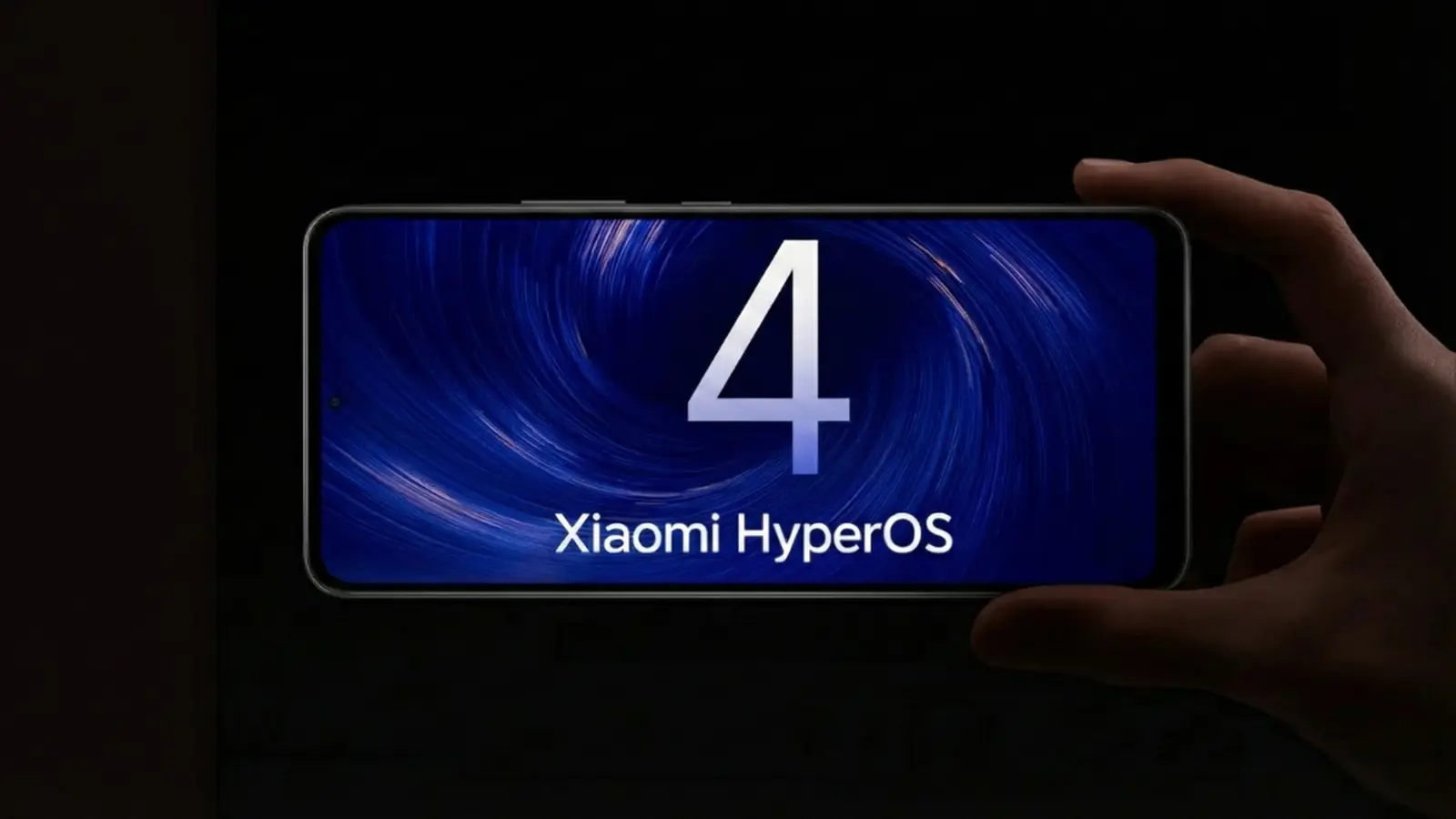
A recent leak from tipster Digital Chat Station suggests HyperOS 4 will swap out key framework pieces for Xiaomi's own native modules. Don't expect instant fireworks. The company plans to keep Android's native services running where compatibility matters most, reducing the risk of breaking apps while it rewrites the plumbing.
Why keep Android's services if the goal is independence? Simple: real-world apps are messy. Users notice crashes and incompatibilities. Developers notice regressions. Xiaomi knows a hard fork could alienate both groups, so the pragmatic path is coexistence — replacement by degrees rather than replacement by decree.
Xiaomi has been talking about a 2026 'grand convergence' for months: chip, OS, and large AI models unified on a single product. The XRING O1 chip, revealed in 2025, was the first public step. Now the software side looks like it will follow suit, with system-level AI integration reportedly in the works for HyperOS 4. That means the AI won’t live only in apps; it could be a native system capability, able to assist across the interface.

Under the surface, HyperOS 3.1 is acting as a staging ground. Reports from Xiaomitime note that system modules such as Weather and Photo Album have started removing old MIUI SDK components and adopting a native HyperOS SDK. Think of 3.1 as a transitional house where half the furniture has been swapped out while the rest stays to keep the lights on.
Xiaomi appears determined to ship a 'zero legacy' HyperOS 4, where legacy MIUI code is minimized or gone entirely. If that claim holds, August — the rumored launch window — could be the milestone that marks a new starting line for the company.
There are other technical shifts to watch. Xiaomi is experimenting with rewrites using Flutter for UI and Rust for lower-level components. These choices point toward a more modular architecture where individual components can be updated or replaced without rebuilding the whole system. That modularity helps long-term maintenance and security, and it gives Xiaomi flexibility as it folds in proprietary AI models and tighter hardware integration.
From a developer and user perspective, the staged approach makes sense: HyperOS 3.1 maintains the MIUI SDK alongside a new native SDK to prevent disruption, while HyperOS 4 could be the first build where the old SDK is largely retired. Whether that results in a smoother, faster, and more intelligent OS will depend on execution — and on how well Xiaomi balances innovation with app compatibility.
For observers, the story is no longer just about skins. It's about whether a major Android vendor can move toward software sovereignty without fracturing the ecosystem. If Xiaomi pulls it off, other manufacturers will watch closely. If it stumbles, the headaches will be painfully visible to both users and developers alike.
Either way, the next few releases will tell whether HyperOS becomes a cautious evolution or the start of a bolder platform play.
Source: gizmochina


Comments
Armin
Is this even true? Sounds logical but swapping core services is risky. If they mess up, devs and users will notice fast. August hype, or real?
mechbyte
Wow didn’t expect that… Xiaomi actually rewriting the guts? Kinda pumped but also nervous, hope apps don’t break, pls no drama

Leave a Comment