
Hyundai's Tucson takes a boxy turn
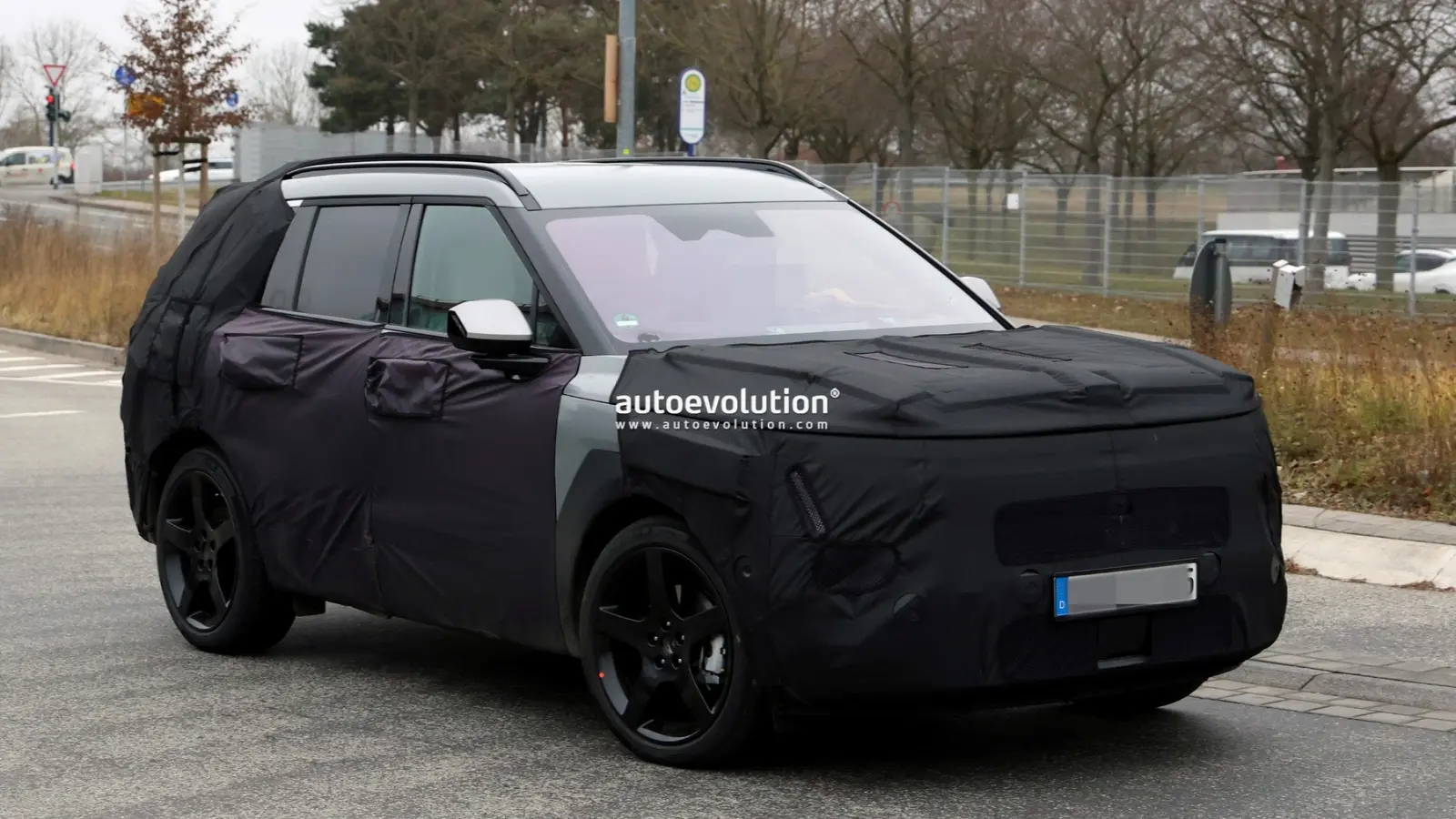
The next-generation Tucson has been caught testing again in Germany, and this time the compact crossover looks unapologetically squared-off. Internally known as NX5 and headed to U.S. showrooms as a 2027 model, the Tucson is adopting a more upright, Palisade- and Santa Fe-inspired silhouette — a clear signal that Hyundai is sharpening its design language for a fiercely competitive segment.
As Hyundai’s global sales hinge heavily on the Tucson, the stakes are high. With rivals like the redesigned Toyota RAV4 fresh on the market, the Korean brand needs a compelling mix of style, tech and efficient powertrains to keep buyers interested.

What the spy photos reveal
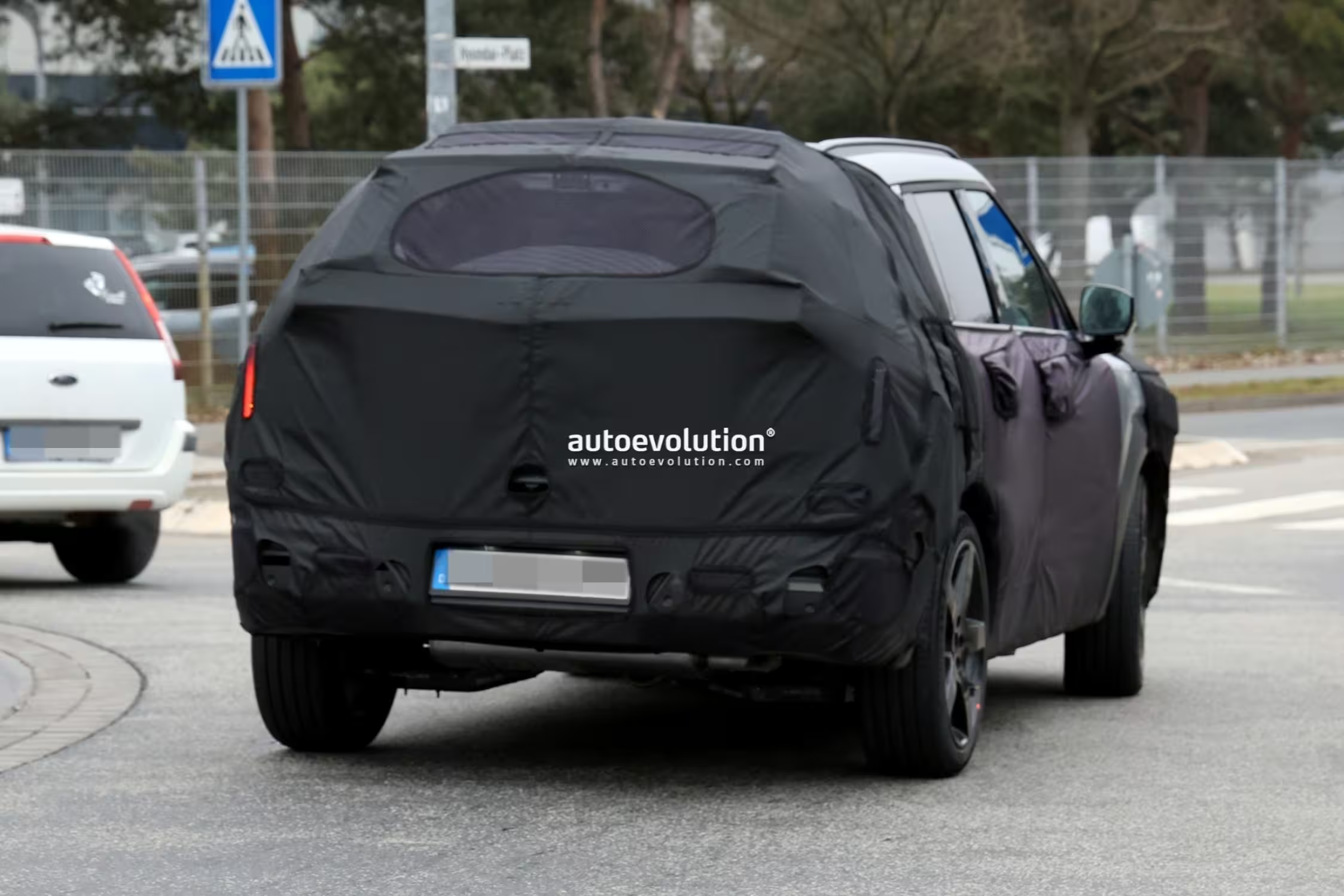
Our latest spy shots—showing a prototype wearing familiar camouflage and low-profile tires—highlight several notable exterior changes:
- A squarer front end with an upright nose and sharper door-frame angles.
- Headlight clusters that mirror the coming Santa Fe facelift in shape and placement.
- Vertical slim LED turn signals and marker lights at the front and a vertical motif for the rear brake lights.
- Turn signals repositioned higher on the body in horizontal housings, moving them off the bumper.
The test mule’s wheels and low-profile rubber also hint at the possibility of sportier trim levels—perhaps even a hotter Tucson N variant down the line.

Interior and software: Pleos Connect and Android Automotive
Although Hyundai kept the prototype’s cabin under wraps, the company has confirmed a new infotainment platform called Pleos Connect. Running on Android Automotive OS (AAOS) rather than the Linux-based system used previously, Pleos Connect is central to Hyundai’s push toward software-defined vehicles.
Expect a more modern dashboard layout with improved connectivity, advanced AI features and broad over-the-air (OTA) update capability. Hyundai is positioning this system as more than a multimedia upgrade: it’s a foundational move toward smarter, continuously evolving vehicles with Level 2+ semi-autonomous functions.

Powertrain line-up and electrification
Under the hood, the 2027 Tucson is expected to keep familiar mechanicals in key markets while modernizing its hybrid architecture:
- U.S.: The current 2.5-liter gasoline engine should carry over for base models.
- Hybrid / PHEV: The 1.6-liter Smartstream G1.6 T-GDI is likely to remain, updated for Euro 7 and reworked around Hyundai’s TMED-II hybrid architecture.
- Hybrid architecture: Reports point to dual-motor parallel hybrids that pair a starter-generator with an electric drive motor.
- AWD options: Hyundai may offer rear-mounted electric drive units for all-wheel-drive capability—initially more likely on the plug-in hybrid than the standard hybrid, which could retain a mechanical driveshaft.
There’s also ongoing development of extended-range electric vehicle (EREV) solutions within Hyundai, but given packaging constraints, a true EREV for this generation of Tucson seems unlikely.
Market timing and positioning
Industry sources suggest the NX5 will debut in the fall of 2026, with sales beginning in late 2027 across South Korea and Europe, and the U.S. following as a 2027 model-year arrival. The Tucson sits below the Santa Fe in Hyundai’s SUV lineup and continues to be the brand’s compact-volume challenger to segment leaders like the Toyota RAV4 and Honda CR-V.
For buyers, the refreshed Tucson promises:
- A bolder, boxier exterior that emphasizes practicality and presence.
- A tech-forward cabin anchored by Pleos Connect and Android Automotive.
- Multiple electrified powertrains, including improved hybrid and plug-in hybrid options.

Quick highlights
- Internal code: NX5
- Expected debut: Fall 2026
- U.S. market: 2.5L gasoline likely retained
- Hybrid architecture: TMED-II, dual-motor parallel setup
- Infotainment: Pleos Connect on Android Automotive (AAOS)
Whether buyers prioritize design, tech or efficiency, Hyundai appears to be giving the Tucson a clear identity: a versatile, technology-rich compact crossover with a tougher, more upright look. Keep an eye on fall 2026 for the official reveal—this Tucson could reshape expectations in the compact SUV class.

“I cover automotive innovation, electric vehicles, and the future of mobility — where technology meets sustainability.”

Discussion
Leave a Comment