
Why the modern Charger needs a cheaper, everyday model
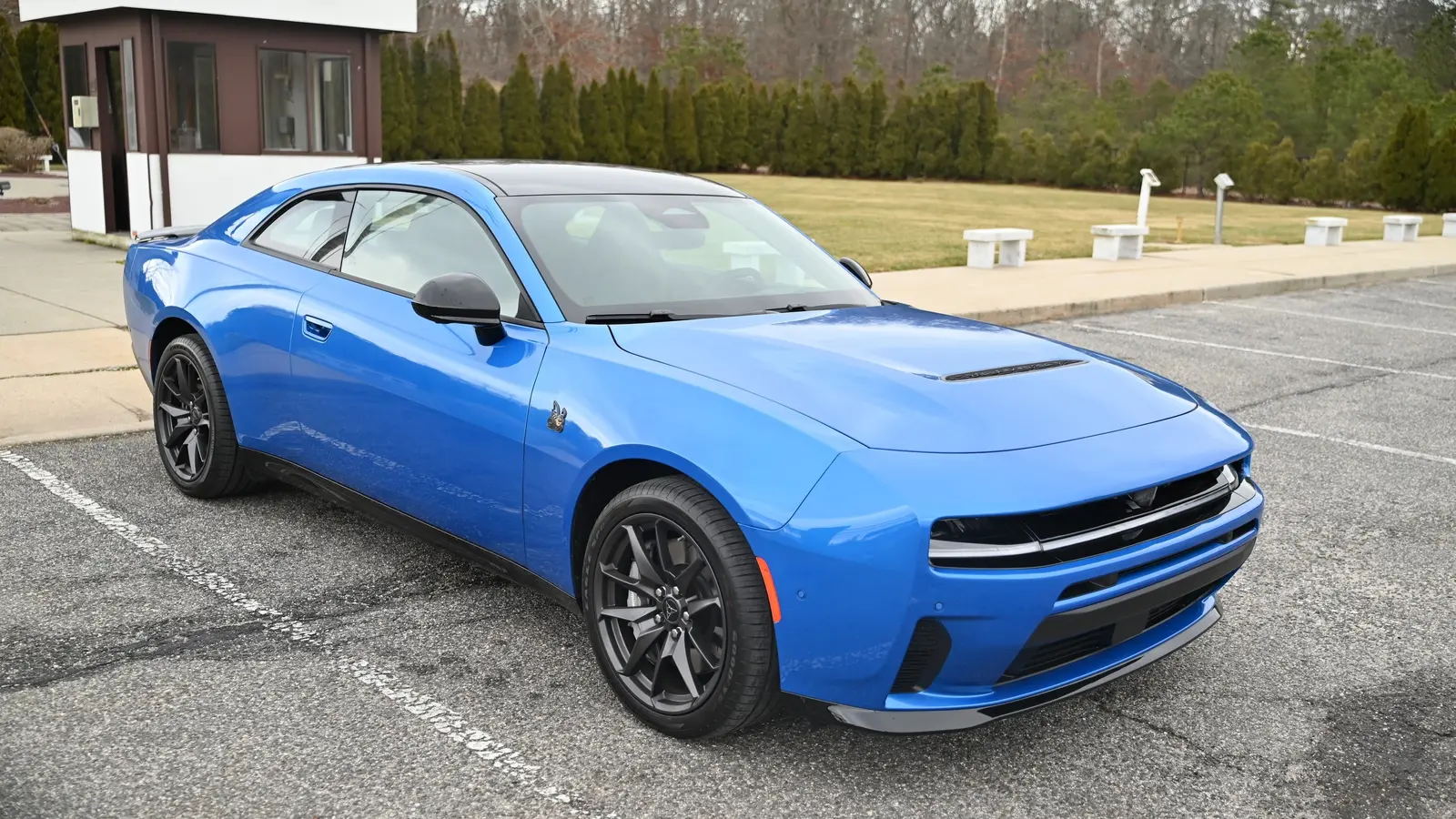
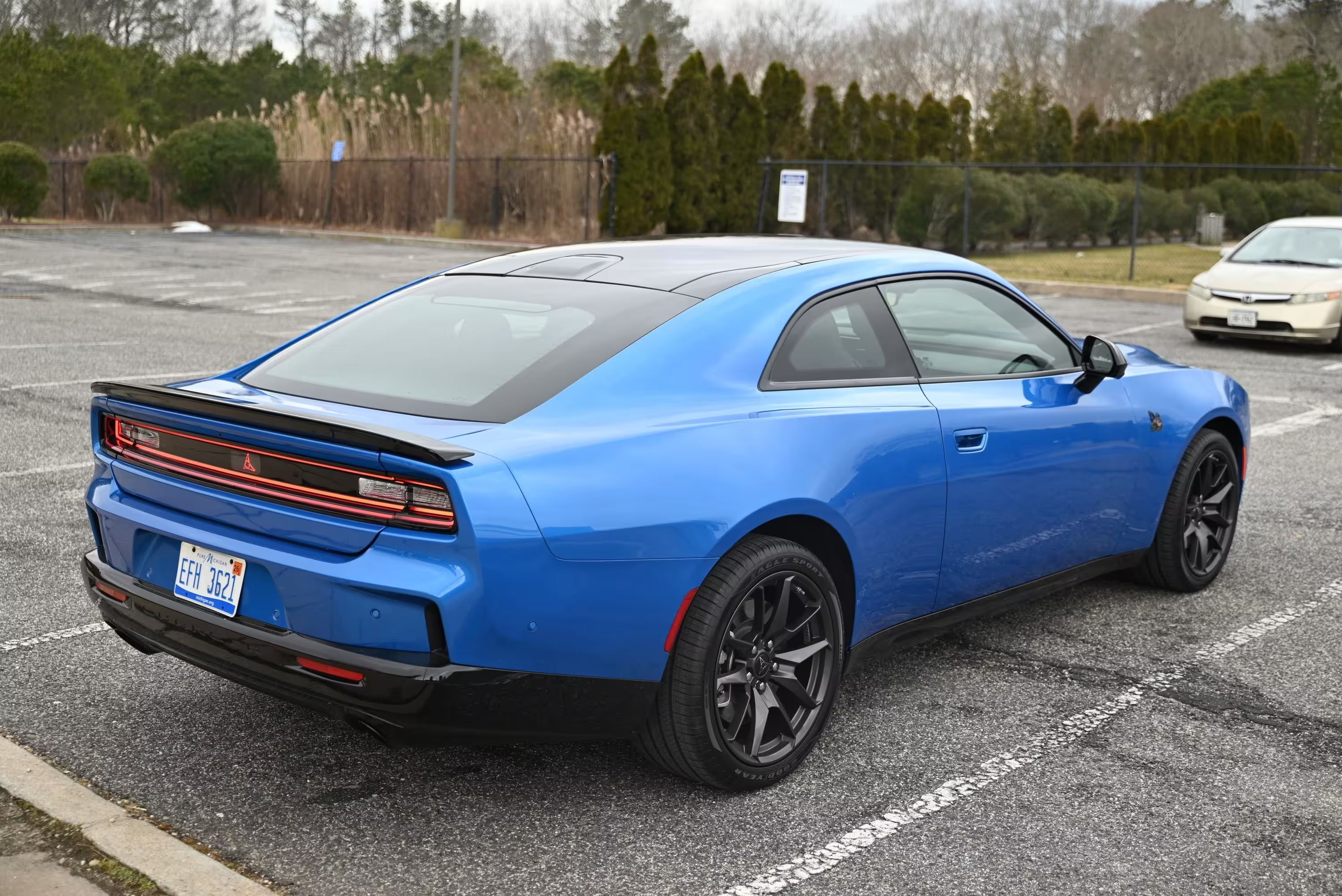
The 2026 Dodge Charger Six Pack Scat Pack Plus is a remarkable car — a near-perfect fusion of a twin-turbo straight-six and a refined all-wheel-drive chassis. It drives like a compact grand tourer more than an old-school muscle car. But at a base MSRP hovering just under $50,000, it’s far from the sort of Charger most buyers used to afford. That’s the problem: Dodge has the halo models and the headline-grabbing performance cars, but it’s missing the low-cost, high-volume trim that once put millions of buyers into Chargers and kept dealers busy.

Back in the LX and LD days, the Charger’s sales mix was dominated by V6 models. These weren’t exotic engines — they were everyday powerplants that made the car accessible to fleet buyers, rental companies and middle-income families. Even with the well-documented reliability challenges of some early V6s, the pricing and availability made the Charger a realistic purchase for many Americans. Dodge needs that kind of accessibility again, and it doesn’t require resurrecting a modern Hellcat to do it.
Lessons from the past: volume beats vanity
The Charger’s heyday wasn’t built on supercars alone. When LX-era Chargers first arrived, buyers could choose a 2.7-liter V6 for the base model or a 3.5-liter V6 in mid-level trims. Later, the Pentastar 3.6-liter V6 became the practical workhorse for the model line. Tuners could coax impressive power from Pentastars with turbo kits; in stock form they were reasonable performers and, with proper maintenance, dependable daily drivers.

Those lower-cost trims served two business purposes: they widened the buyer pool and supported fleet contracts that moved volume. Without that foundation, even the most glamorous trims sell in limited numbers. Stellantis can field cutting-edge ICE and EV Chargers, but without a cheaper model that hits mainstream price points, the Charger will struggle to achieve the market penetration it once had.
Why volume matters
- Fleet and rental sales provide steady, predictable demand.
- Entry-level trims build brand familiarity among younger buyers.
- A low-cost model helps dealers clear inventory and justify advertising spend.
"You can’t run a profitable mainstream model on halo cars alone," a simple truth for automakers large and small. The Charger needs a broom-and-bucket approach at the bottom of the lineup, not just fireworks at the top.
What could a true base Charger look like?
Instead of trying to shoehorn a V8 into every conversation, Dodge should consider a modern, efficient four-cylinder or a mild hybrid/power-split solution for a new base trim. Stellantis already has a compelling candidate: the Hurricane 4 EVO — a 2.0-liter turbocharged inline-four derived from the Global Medium Engine (GME). It’s not a downsized straight-six; it’s a sophisticated four-pot with technologies borrowed from high-performance platforms.

The Hurricane 4 EVO boasts features such as passive turbulent jet ignition (inspired by Formula 1 research) and a variable-geometry turbocharger. In the Jeep Grand Cherokee, similar architecture produces about 324 horsepower and 332 lb-ft of torque. That’s sports-car numbers from an engine roughly a third the displacement of a classic 5.7-liter HEMI.
Potential specs for an entry Charger
- Engine: Hurricane 4 EVO 2.0-liter turbocharged inline-four
- Output: ~300–330 hp, ~320–340 lb-ft torque (tuneable)
- Transmission: 6- or 8-speed manual option / automatic available
- Drivetrain: RWD standard, AWD optional
- Estimated base price: targeted under $40,000 (PHEV or ICE, depending on spec)
A sport-tuned Hurricane 4 EVO, mated to a manual gearbox and Six Pack control tech, would give driving enthusiasts an engaging, relatively affordable Charger without cannibalizing higher-margin trims.
Stretch goals: PHEV or simple ICE?
Dodge has two promising paths to restore a high-volume Charger: keep it internal-combustion and low-cost, or add electrification for efficiency and marketing advantages. Both are viable.

Option 1 — Straight ICE four-cylinder:
- Keep costs down.
- Offer an appealing price close to mainstream sedans like a well-equipped Camry.
- Lower complexity and repair cost expectations for owners.
Option 2 — Plug-in hybrid (PHEV):
- Add a pair of electric motors and a small lithium-ion battery pack for instant torque and improved fuel economy.
- Use PHEV credentials to qualify for incentives in some markets and reach eco-conscious buyers who still want muscle-car styling.
- Price will increase versus the ICE-only variant, but a sub-$40k PHEV target might be achievable with smart packaging and incentives.
Both approaches have merit. A non-plug four-pot Charger could be the volume leader, while a PHEV variant could sit just above it in the lineup, offering performance and efficiency without the V8 price tag.
How rivals handle entry-level performance
Look at the Mustang: the 2.3-liter EcoBoost accounts for a huge portion of Mustang sales. With about 310 horsepower and a sub-$33k starting price (2023 data), the EcoBoost is a critical pillar in Ford’s pony car strategy. The Highlander for Chevrolet was once filled by V6 Camaros, and even if the Camaro is currently out of production, the lesson stands: affordable, small-displacement engines sell cars.
If Dodge wants to remain competitive, offering a base Charger priced within reach of mainstream buyers is essential. It’s not just about being fair to enthusiasts; it’s solid business logic. Sell more of the base cars and dealers have more reasons to market the higher-trim Six Packs and halo models.
Design and packaging considerations
A cheaper Charger doesn’t mean stripped-quality or lackluster looks. Dodge can preserve the Charger’s signature styling—wide stance, long hood, and bold lighting—while simplifying materials and features inside to reduce cost.
Possible cost-saving measures:
- Cloth instead of leather, with attractive patterns and durable stitching.
- Smaller (or single-zone) infotainment screens as standard, larger units optional.
- Fewer active safety features as standard, with bundles for tech upgrades.
- Simplified sound insulation packages for the base model; upgraded NVH packages for higher trims.
All these measures keep the exterior appeal intact while giving customers clear upgrade paths.
Market positioning: where a base Charger fits
A well-priced four-cylinder Charger would be positioned as a stylish, fast, and practical large coupe/sedan for buyers who want muscle-car looks without the expensive running costs. It would:
- Attract younger buyers priced out of V8 models.
- Bring back fleet and rental deals that deliver consistent volume.
- Create a pipeline of owners who might trade up to Six Pack or Hellcat-level models later in life.
This is classic automotive laddering — offer an aspirational top model, but make the entry point realistic. Brands that succeed at volume have historically done so by offering both glamour and practicality.
Implementation: how quickly could Stellantis act?
Technically, it isn’t a herculean task. The Hurricane 4 EVO is in production, manufacturing lines exist, and packaging a four-cylinder into the existing Charger platform is more a software and calibration exercise than a ground-up redesign. The bigger challenges are pricing strategy, dealer incentives, and marketing.
Timing matters. The Charger EV arrived at a sensitive moment in the incentive cycle; credits and rebates shift quickly and can affect purchase economics. An attractive ICE or PHEV base Charger introduced with a smart pricing strategy and limited-market incentive packages could revive demand quickly.
Conclusion: volume is the missing ingredient
Dodge has demonstrated it can build thrilling headline cars. The Six Pack Scat Pack Plus proves the platform’s potential. But without an approachable, entry-level Charger, Dodge is leaving a huge slice of the market untouched. The Hurricane 4 EVO and PHEV pathways both offer realistic ways to bring the Charger back into everyday driveways.
Imagine a lineup that includes a sensible four-cylinder base model under $40k, mid-tier Six Pack trims for earnest buyers, and a thousand-horsepower Hellcat for the high-end halo. That combination — volume, margin, and prestige — is what made the Charger a household name in decades past. It’s practical, profitable, and very much achievable.
"You don’t build a brand on supercars alone," a simple reminder for automakers and fans alike. Dodge should give the Charger an entry model that’s worthy of the badge — affordable, engaging, and distinctly Dodge.
Highlights
- Reintroduce a four-cylinder base Charger to restore volume.
- Consider Hurricane 4 EVO or PHEV for power and efficiency.
- Target pricing under $40k to reach mainstream buyers.
- Preserve styling while simplifying interior features for cost savings.
- Use entry-level models to funnel buyers toward higher-margin performance trims.
With the right engine, trim strategy, and pricing, the Charger can be both a headline-grabber and a mainstream seller once again.

“Cars are evolving faster than ever. I cover electric vehicles, smart mobility, and the future of transportation worldwide.”

Discussion
Leave a Comment