
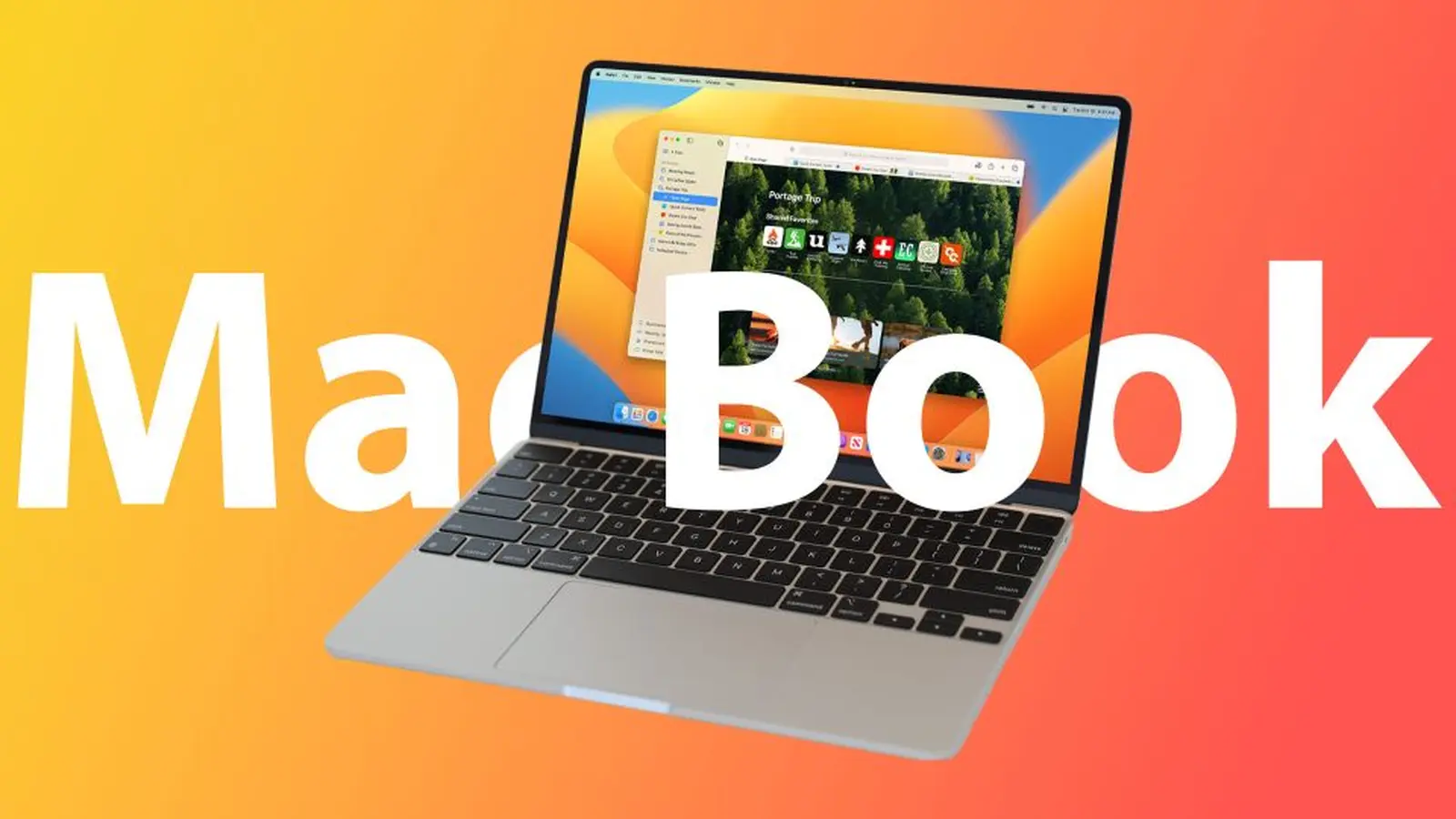
Imagine a MacBook that looks like an Apple laptop, but costs less than your average flagship. Sounds unlikely? Apple's reportedly aiming for exactly that.
Bloomberg's Mark Gurman says Apple is preparing a March event where a new, more affordable MacBook will make its debut, priced below $1,000 and aimed squarely at students and enterprise customers. The twist: rather than cheaping out with a plastic shell, Apple plans to use aluminum and offer the machine in multiple lively colors — think yellow, green, blue, pink and gray — echoing the colorful streak introduced with the 24-inch iMac.
Why does that matter? Because a budget product that looks premium changes perceptions. Cost-cutting doesn't have to mean sacrificing identity. Apple appears to be trimming expenses in production methods rather than abandoning the materials that define its design language.

Insiders say the company is testing a faster, lower-cost aluminum manufacturing process that differs from the techniques used on the MacBook Air and Pro. Faster production. Lower cost. If it works, the same approach could trickle up to Apple's pricier models, tightening margins while preserving the aesthetic users expect.
Hardware compromises are expected, of course. To hit a sub-$1,000 price point Apple may swap its M-series processors for a phone-class chip — rumors point to something on par with the A18 Pro. Memory could be limited to 8GB, and the number of USB-C ports might be reduced. The display is likely to measure around 13 inches, but sources suggest the panel won't match the premium quality of the Air or Pro screens, a simple way to shave manufacturing costs without altering the laptop's silhouette.
That strategy raises interesting questions. Can Apple preserve the feel of its ecosystem while borrowing parts from the iPhone family? Or will customers see a Mac that merely wears the brand but behaves differently under the hood? For students and businesses watching the bottom line, a familiar design with modest internals might be a welcome trade-off.
Color will play a starring role if Apple follows the iMac playbook — but don’t expect all tested hues to reach store shelves. Prototypes often explore more options than what ships to millions of buyers. Still, offering a handful of vibrant finishes could help this model stand out in classrooms and corporate fleets.
Apple's balancing act is clear: reduce costs where users will notice least, and keep the visual markers that scream 'Mac.' It's a subtle game of perception. Execution will determine whether this becomes a clever new entry-level option or a product that confuses the lineup.
Either way, March looks set to be interesting for Mac watchers.

“I love exploring gadgets, apps, and trends that redefine how we connect, work, and play in a digital world.”

Discussion
Leave a Comment
Comments
No comments yet. Be the first.