
Europe bets on a new vertical-lift future
After years of strategic recalibration prompted by the conflict in Ukraine, European governments are funneling funds into homegrown defense technologies — and rotorcraft are firmly on the agenda. The Next Generation Rotorcraft Technologies (ENGRT) initiative has moved into its second phase, ENGRT II, bringing Airbus and Leonardo together with partners across 12 EU countries to mature the technologies for a next-generation military helicopter expected to fly by the 2030s.

What ENGRT II aims to deliver
ENGRT II is not a program to immediately build a finalized helicopter platform. Instead, it is a coordinated research effort to develop and validate critical technologies that will be integrated into future vertical lift aircraft. The focus areas mirror modern battlefield needs: speed, extended range, higher payload, survivability in contested environments, and reduced logistics footprints. For automotive and transport-minded readers, think of it as engineering a new class of high-performance, high-efficiency transport vehicle — but optimized for combat and austere operations.
Highlights:
- Multi-national collaboration: Austria, Belgium, Denmark, Finland, France, Germany, Greece, Italy, Latvia, the Netherlands, Poland, and Spain.
- Prime industry actors: Airbus and Leonardo, supported by regional suppliers and research bodies.
- Timeline: three years of initial development within ENGRT II, targeting flight demonstrations in the 2030s and fleet replacements or complements after 2040.
Two configurations on the table: Racer-based helicopter and tiltrotor
Europe hasn’t settled on a single configuration. The program is deliberately keeping options open, running parallel studies on a conventional high-speed helicopter and a tiltrotor design.
The conventional approach draws on the Airbus Racer research demonstrator. Racer evolved from the Eurocopter X3 concept and pushed the performance envelope for high-speed rotorcraft — previously demonstrating top speeds in the order of 249 mph (400 kph). In aircraft terms, Racer represents a performance-driven helicopter architecture that balances cruise speed with the traditional benefits of rotorcraft: hover, low-speed maneuverability, and vertical lift.
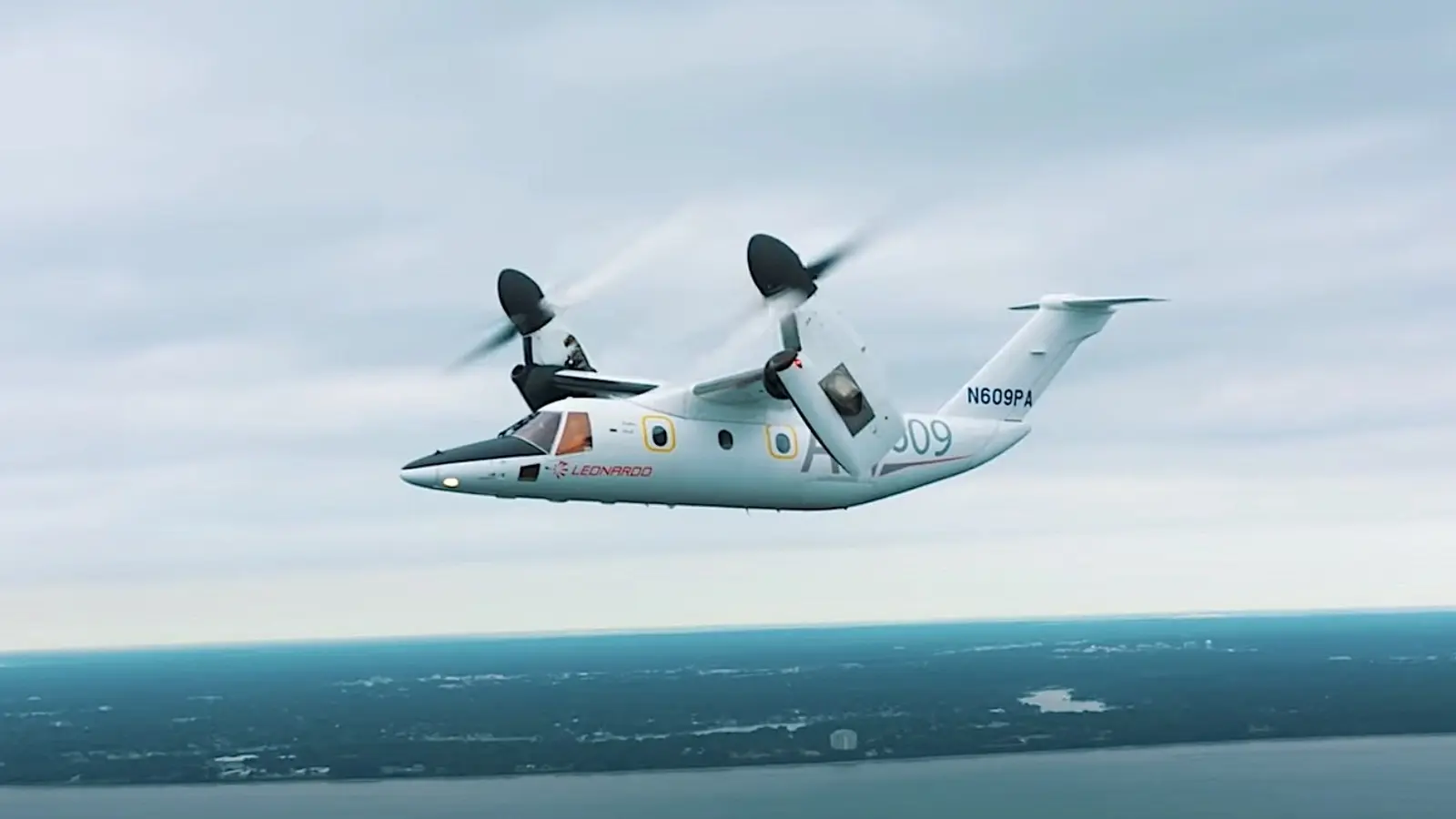
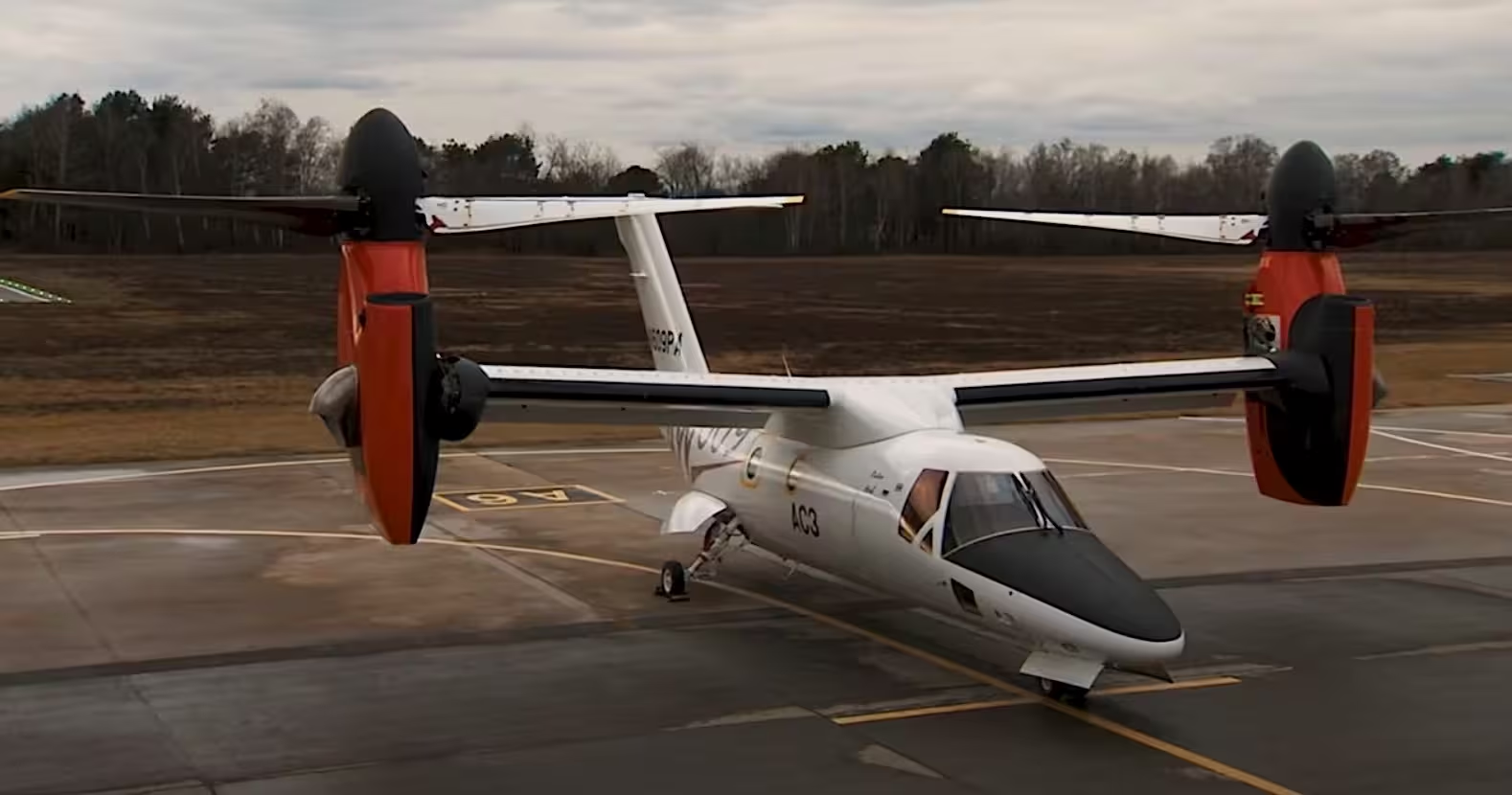
On the other side, the tiltrotor option likely takes inspiration from Leonardo’s AW609 lineage — a civil tiltrotor developed with Bell and AgustaWestland experience. Tiltrotors aim to combine airplane-like forward speed and range with helicopter-like vertical lift, a trade-off that appeals to military planners seeking fast tactical mobility across large theaters.
Performance and design considerations
Key performance drivers under study include:
- Top speed and cruise efficiency (for rapid troop or logistics movement).
- Payload capacity and internal/external carriage flexibility.
- Range and fuel efficiency to reduce operational logistics.
- Survivability features: signature reduction, active protection, and redundant systems.
- Human-machine interfaces: AI-driven cockpits and crewed–uncrewed teaming to enhance situational awareness and reduce pilot workload.
These topics will shape future defense procurement decisions, much like how performance specs and platform flexibility determine car buyers’ choices in the automotive market.

Beyond the airframe: infrastructure, logistics and AI
ENGRT II extends beyond prototype design. It encompasses the ecosystem required for safe, effective operation: maintenance concepts, logistics chains, sortie generation rates, and airspace integration. A notable emphasis is on digital systems: AI-enabled interfaces for pilots, autonomous sensor fusion, and coordinated operations between crewed aircraft and unmanned systems.
For fleet managers and defense procurement teams, this is as much about lifecycle cost, maintainability, and interoperability as it is about top speed or payload.
"This program is about maturing technologies that will protect Europe in highly contested environments," industry sources say — a mission-driven goal that blends aerospace innovation with practical operational needs.
Why automotive and transport enthusiasts should care
Rotorcraft R&D often pushes propulsion, composite materials, propulsion controls, and human–machine interface advances that trickle into civilian transport, emergency services, and even high-performance road vehicle technologies. The ENGRT II effort could accelerate innovations in lightweight structures, energy efficiency, and autonomous assistance — all of which resonate with car and mobility trends.
Expect periodic updates as ENGRT II progresses. The program’s choices — Racer-derived high-speed helicopter versus tiltrotor — will shape Europe’s vertical-lift landscape for decades and influence global rotorcraft competitiveness.

“Cars are evolving faster than ever. I cover electric vehicles, smart mobility, and the future of transportation worldwide.”

Discussion
Leave a Comment