
3 Minutes
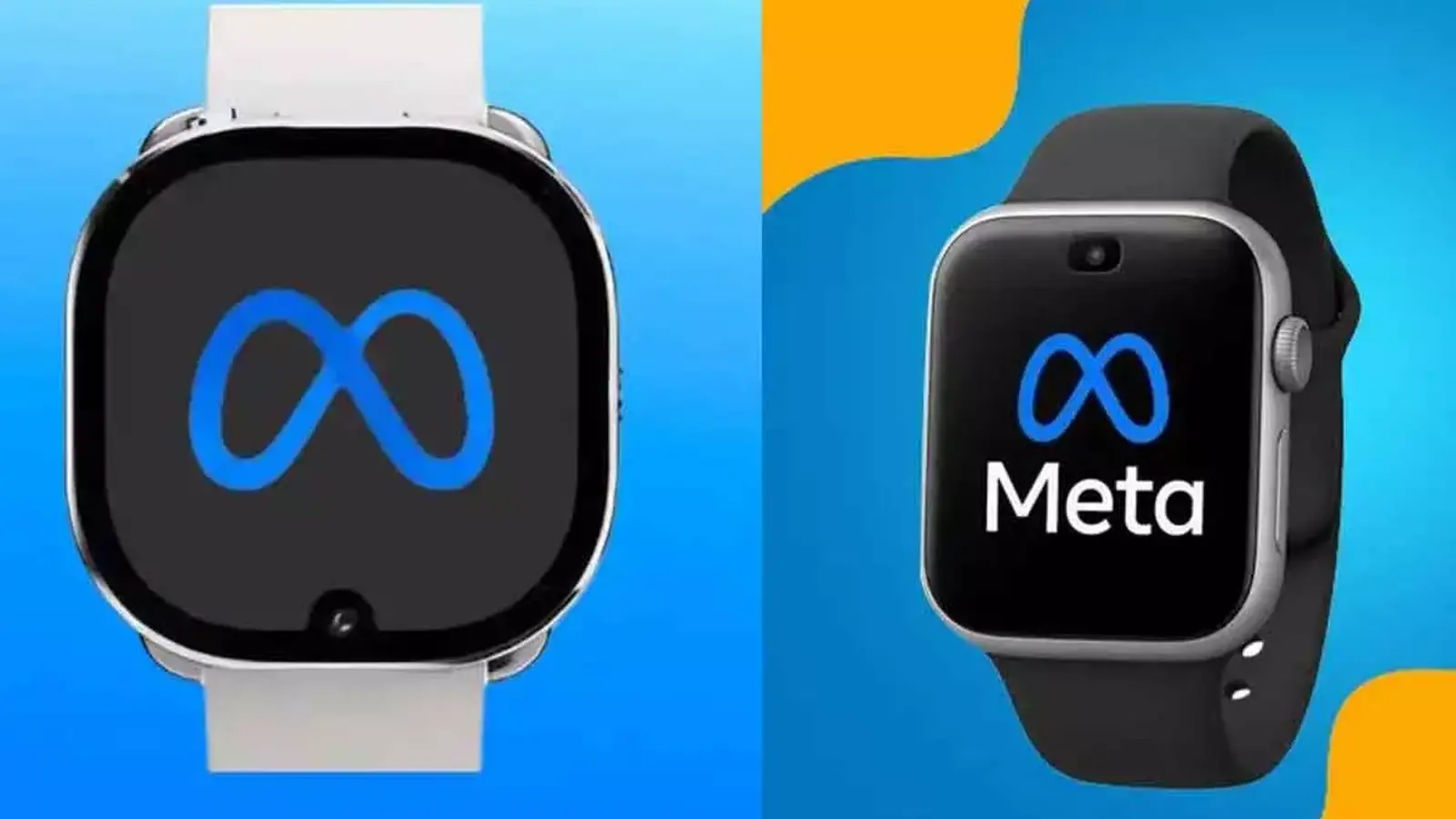
Imagine a company known for social networks quietly polishing a device meant to live on your wrist. That’s the story unfolding at Meta, which appears to have dug its smartwatch plans out of a drawer and put them back on the roadmap.
Whispers about a Meta smartwatch have circled since 2021, and leaked images from 2022 gave the rumor mill plenty to chew on. Then the project seemed to stall. Now, according to a report in The Information, the work has resumed. Internal sources say the device, codenamed Malibu 2, is being positioned for a 2026 release with a focus on health tracking and built-in Meta AI capabilities.
Why does this matter? Because watchmaking is no longer just about telling time. It’s an identity signal, a health coach, and increasingly, an AI companion. Meta is late to this category. But it isn’t entering quietly. Engineers reportedly revisited the smartwatch strategy at a company meeting at Mark Zuckerberg’s home in Hawaii, a detail that underlines how seriously Meta’s leadership is treating hardware that complements its broader AI and AR ambitions.

Meta aims to combine health sensors with on-device AI features, signaling a shift from pure social hardware to personalized wellness and assistant-driven experiences.
Details remain thin. The Information doesn’t offer a spec sheet, and Meta has not confirmed timing or features. Still, the signal is clear: Meta wants a presence on the wrist. That presence would sit alongside refreshed wearable projects, including an updated pair of Ray-Ban Display glasses reportedly called Hypernova 2, expected later this year, and longer-term AR glasses the company hopes to ship around 2027.
For the smartwatch to matter, software will be as important as sensors. Meta’s strength is in software services and large-scale AI. If Malibu 2 integrates contextual AI features—think proactive suggestions, smarter notifications, seamless handoffs to Meta’s apps—it could differentiate itself from other watches that focus primarily on fitness metrics.
Competition will be fierce. Apple’s Watch platform leads on health and apps. Samsung and Google bring tight integration across devices and ecosystems. Garmin and other specialized brands own niches like endurance athletes. Meta will need a clear value proposition: either better AI on the wrist, a unique social or AR tie-in, or aggressive pricing that tempts users to try a new ecosystem.
No launch date is officially set. But the revived cadence—rumors, internal codenames, related hardware roadmaps—suggests Meta is serious about carving out space in the wearables market. Whether Malibu 2 becomes a breakout product or another experimental device in Meta’s hardware catalog depends on execution. Either way, the wrist is becoming a new front in the race to make AI personal.
Source: gsmarena



Leave a Comment