
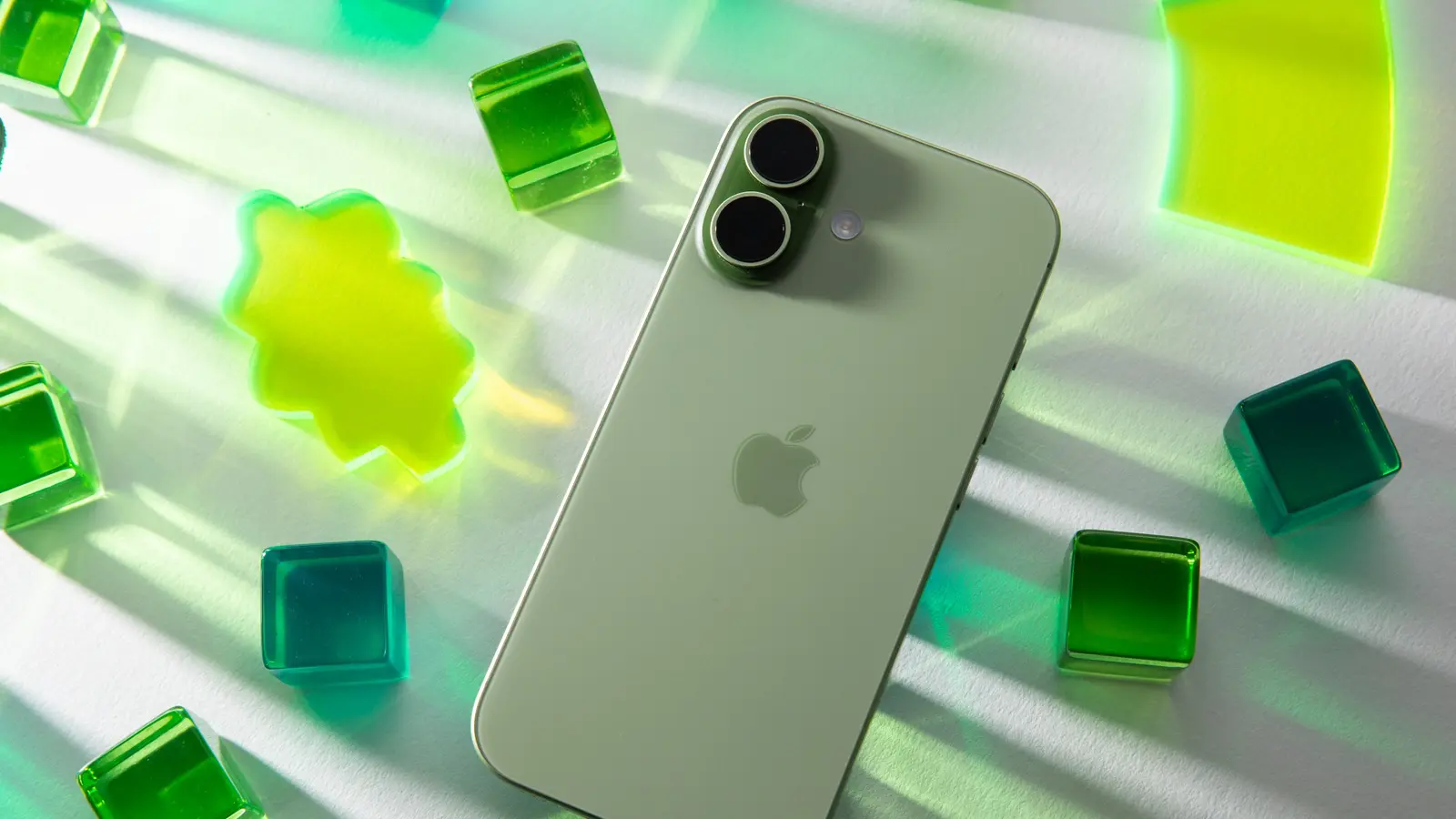
A tiny badge on your device just got weightier. Apple has earned a security endorsement that until recently belonged to specialized handsets: iPhones and iPads are now approved to hold NATO-classified information.
The certification follows a thorough evaluation by Germany's Federal Office for Information Security, the BSI, which first authorized these devices for handling confidential German government material and then extended that validation across NATO member states. It’s a procedural milestone with practical consequences for procurement and field operations.
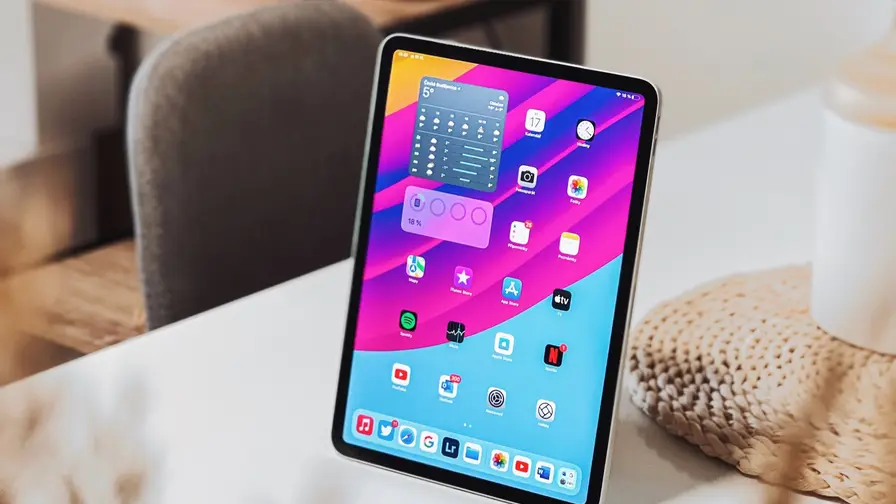
Apple says standard iPhones and iPads running iOS 26 and iPadOS 26 can process and store NATO Restricted information without extra security software or bespoke configurations.
NATO Restricted is the alliance’s lowest classification level, yet it matters: unauthorized disclosure can still damage collective interests. For context, the last time mainstream phones received a comparable endorsement was a decade ago, when BlackBerry 10 won similar approval in 2013. Times change. So do the devices.

What made this possible? Apple points to a stack of built-in protections: modern encryption throughout the system, biometric authentication such as Face ID, and a feature Apple calls Memory Integrity Enforcement that’s designed to thwart spyware and low-level attacks. Put together, these controls satisfied the strict criteria set by national and international security agencies.
The practical upshot is straightforward. Governments and NATO bodies now have a broader pool of commercially available devices they can deploy without investing in custom hardened phones or complex overlay software. That can speed rollouts and lower costs. Yet standardization brings new responsibilities—configuration hygiene, lifecycle management, and supply-chain scrutiny become that much more important.
Will this shift erode the need for bespoke secure phones? Not overnight. But it blurs the line between consumer hardware and government-grade security, and it underscores a larger trend: when mass-market devices get serious about defense-grade protections, the ripple effects reach budgets, logistics, and everyday users in uniform.

“I cover emerging technologies, digital innovation, and the intersection of tech and everyday life. My goal is to make complex trends accessible and inspiring.”

Discussion
Leave a Comment
Comments
No comments yet. Be the first.