
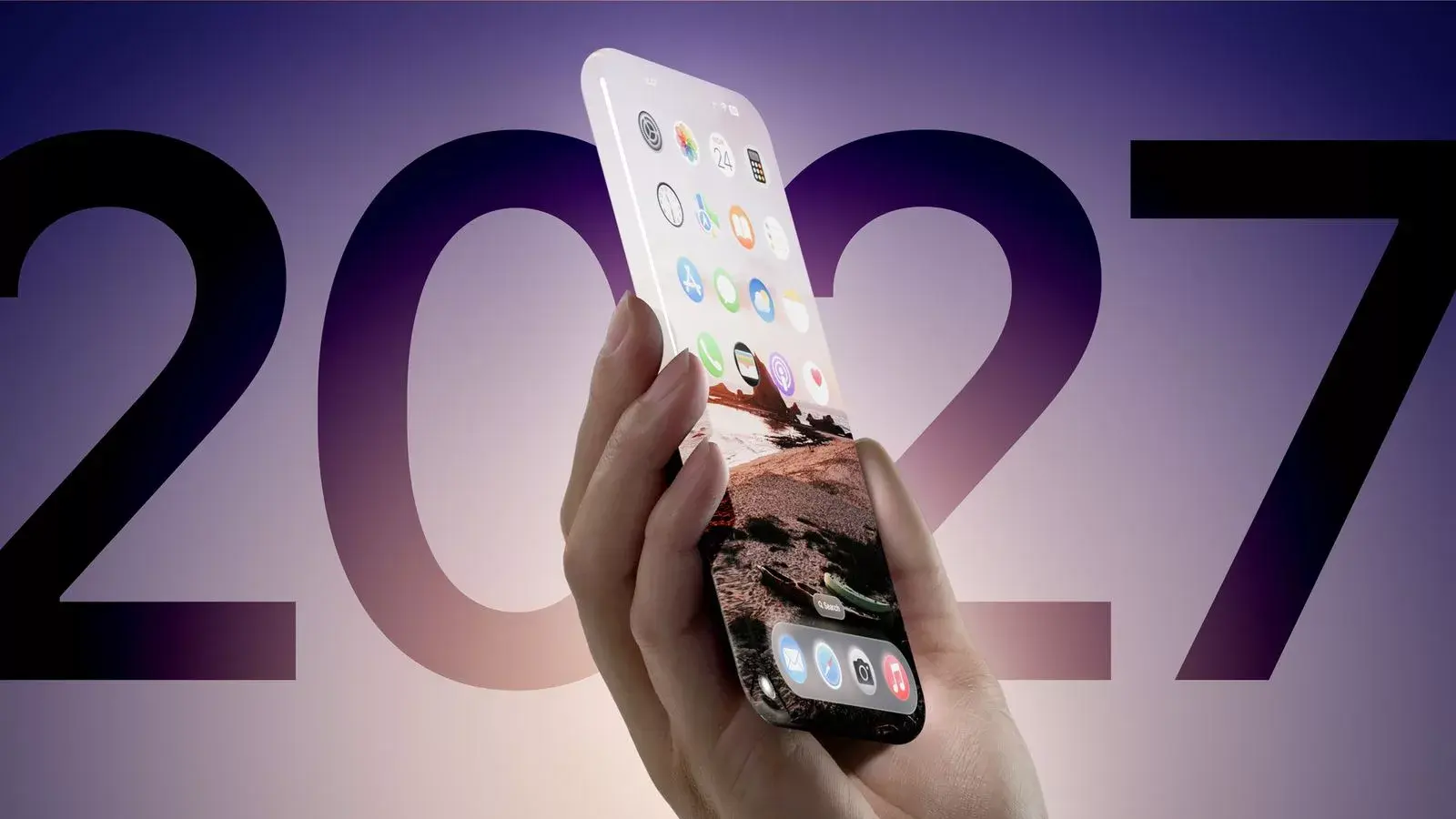
As Apple approaches the twentieth anniversary of the iPhone, a steady stream of reports suggests the company is planning another major redesign. Bloomberg reporter Mark Gurman says Apple is in advanced development on a handset that, in leak images, looks like a single sheet of glass without a visible notch.
The device most commonly called iPhone 20 is not expected until September 2027, but months of leaks and analyst notes have sketched a consistent picture of what Apple engineers are testing.
What the leaks add up to
Multiple sources say the anniversary iPhone could adopt a four‑sided curved glass design, with the display glass bent on every edge. Reports indicate Apple is collaborating with Samsung on a panel that shares the same curvature on all four sides.
Apple is also reported to be pursuing a slimmer, brighter OLED built by Samsung that uses COE technology. That plan is uncertain. UBI Research has said COE may not arrive in Apple’s pro models before 2029, which raises doubt about its presence in a 2027 release.
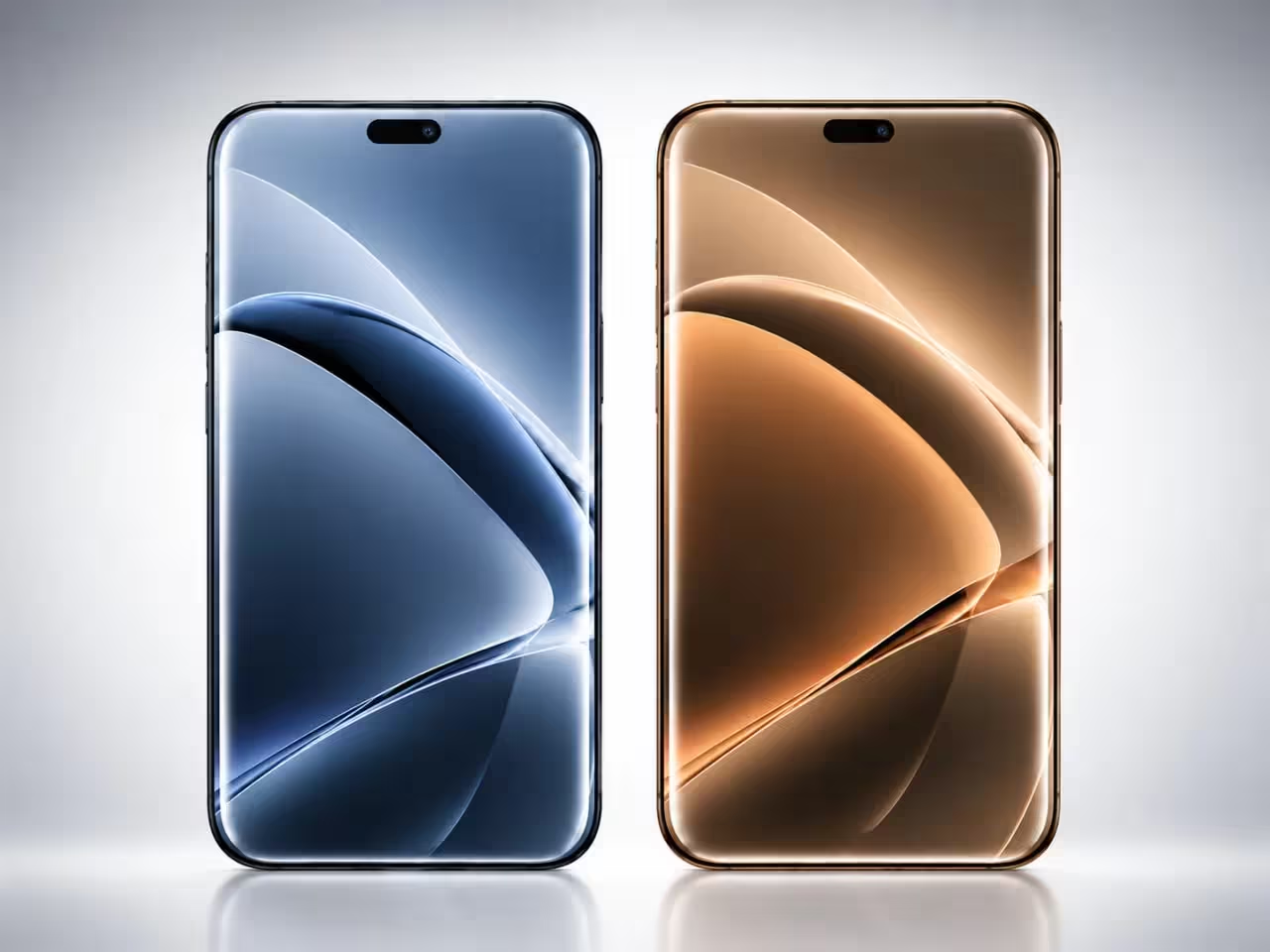
Removing the visible front notch is another priority under test. Apple is reportedly experimenting with under‑display Face ID and camera hardware. The company previously tried an under‑display camera inside the internal iPhone Duo prototype, but critics flagged image quality there. It remains unclear whether an improved under‑display solution will be ready for a potential 2027 launch.
On the physical controls front, Apple is said to be testing solid state buttons that rely on touch and haptic feedback rather than moving parts. These could be integrated into the frame for side, volume, action, and camera controls while still offering a tactile response.
Connectivity is another area of change. Apple is developing its own modems with ambitions to outperform Qualcomm on speed and on‑device AI capabilities. Reports expect Apple’s third generation modem, due in 2027, to finally surpass Qualcomm. Apple’s C1 and C1X modems have appeared in the iPhone 16e and iPhone Air, and the C2 is now in the iPhone 18 Pro and iPhone Duo. For now, only the US version of the iPhone 18 Pro Max still uses a Qualcomm modem.
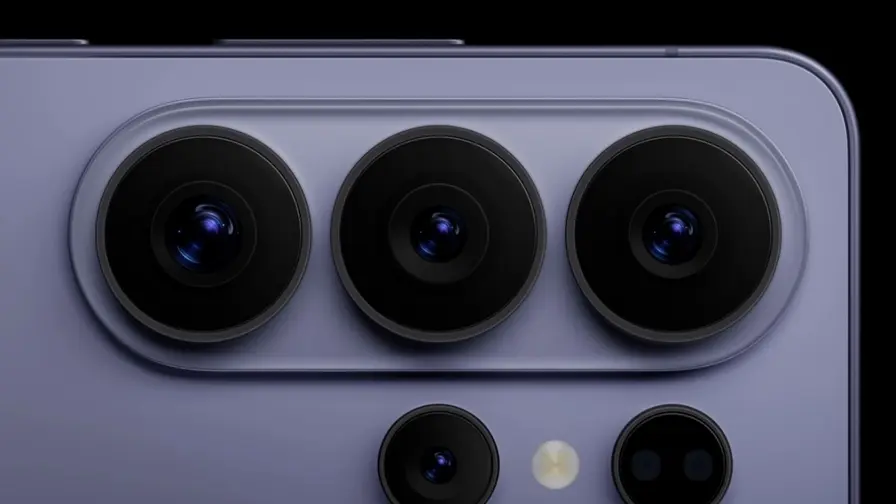
On the camera side, Apple is reportedly working on a proprietary image sensor to replace the Sony sensors it commonly uses. Insiders say Apple has a working prototype using LOFIC technology, which lets each pixel store different light values and could potentially extend dynamic range to around 20 stops.
Under the hood, anniversary models are expected to move to a 2 nanometer A21 family, following the A20 Pro introduced this year in the iPhone 18 Pro line. Battery technology is also under review; Apple is said to be exploring silicon anodes that store more lithium per gram, increasing energy density without larger battery volume.
Memory and on‑device AI could benefit from stacked DRAM with a vertical architecture to boost bandwidth. And Apple is reportedly planning two anniversary sizes slightly larger than the iPhone 18 Pro and iPhone 18 Pro Max. Leaker Digital Chat Station claims displays will measure 6.41 and 6.96 inches, with the bigger panel likely marketed as a 7 inch device.
All of these plans are still subject to change. Development schedules at Apple shift behind closed doors, and work on technologies of this complexity can run a year or two longer than initially planned.

“I love exploring gadgets, apps, and trends that redefine how we connect, work, and play in a digital world.”

Discussion
Leave a Comment
Comments (1)
Okay wow, single-sheet glass? looks stunning in leaks, but under-screen cam worries me. Apple has flopped there before. If batteries + on device AI improve, i might cave