
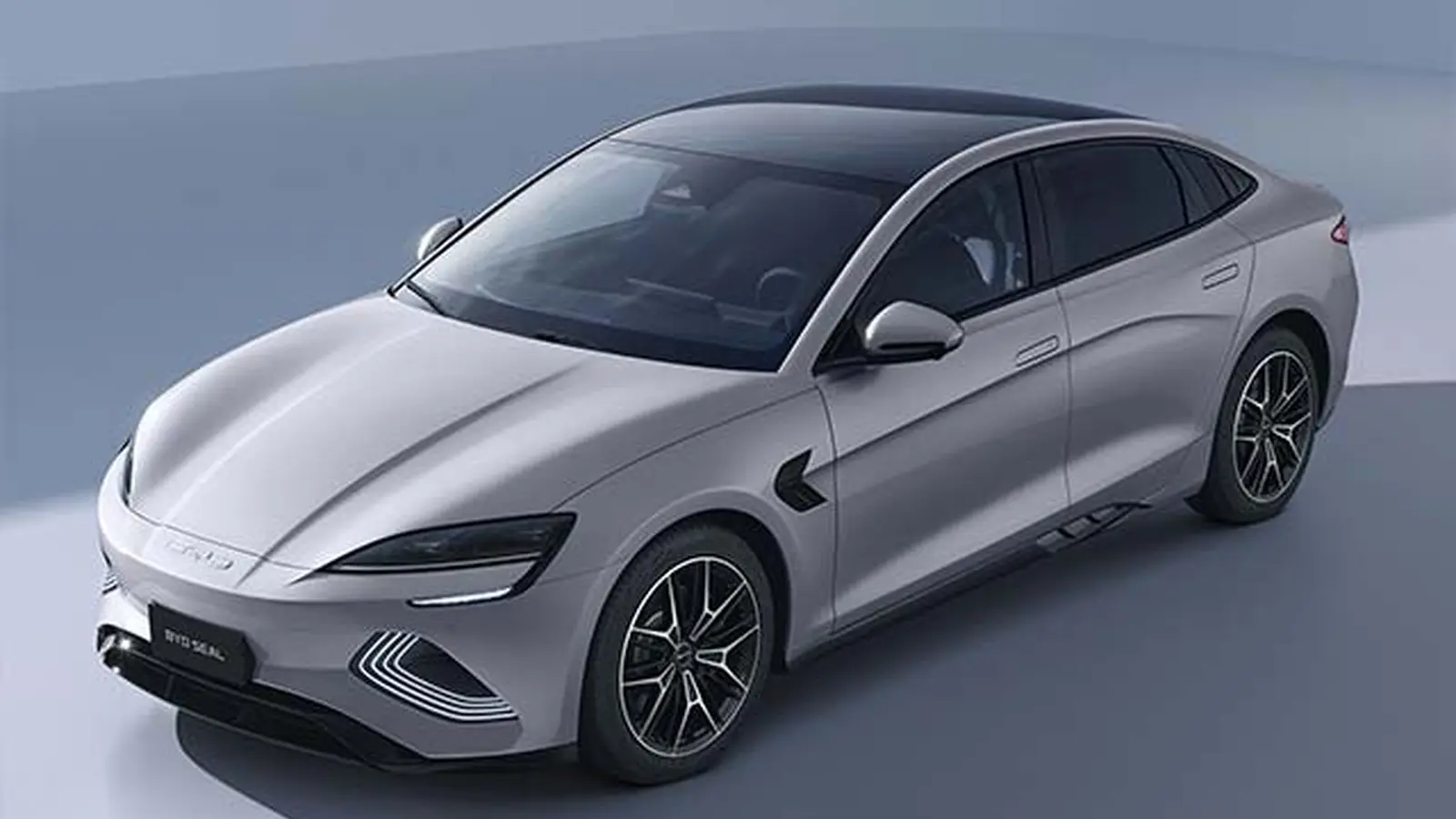
BYD’s February 2026 numbers delivered a split message for the global EV industry: a steep slowdown at home, but another record-like month abroad.
China’s largest new energy vehicle (NEV) maker said it delivered 190,190 NEVs in February, a 41.09% year-on-year drop and the sixth straight month of declining sales. The timing of the 2026 Chinese New Year holiday (February 15–23) played a major role, shifting factory schedules and customer deliveries into a tighter window compared with last year, when the holiday largely landed in January. Month over month, BYD’s total also eased versus January, signaling that the pressure isn’t only seasonal.
Passenger cars take the biggest hit
Passenger NEVs remained the core of BYD’s volume, totaling 187,782 units in February. That figure fell 40.99% year on year and was 8.63% lower than January, reflecting softer demand and fiercer competition across China’s electric car market.
BYD sales mix: BEV vs PHEV
A closer look at the powertrain split shows plug-in hybrids cooling faster than pure EVs:
- Battery-electric vehicles (BEVs): 79,539 units (−36.32% YoY; −4.46% MoM)
- Plug-in hybrid EVs (PHEVs): 108,243 units (−44.01% YoY; −11.47% MoM)
That sharper PHEV decline matters. PHEVs have been a major growth driver for BYD in recent years thanks to their long-distance usability and lower range anxiety versus full battery electric vehicles. But with incentives tapering and rival brands closing the technology gap—especially in driver-assistance features, charging speed, and cabin tech—buyers appear more willing to cross-shop.
Commercial NEVs also slide amid broader headwinds
BYD’s commercial NEV deliveries reached 2,408 units, down 47.80% year on year and 46.88% month on month. While this is a smaller slice of total sales, the near-50% contraction points to wider demand softness affecting fleet operators as well as retail customers.
Exports stay strong: 100,600 NEVs shipped
The more upbeat story is BYD’s overseas push. The company exported 100,600 NEVs in February, up 50.09% from a year earlier and marking the fourth consecutive month above the 100,000-unit threshold.
For BYD, this global expansion strategy is becoming more than a growth story—it’s a stabilizer. As China’s EV market matures and local subsidies normalize, international momentum in regions such as Europe, Southeast Asia, and Latin America helps offset domestic volatility.
What to watch next: BYD is expected to unveil fresh technology upgrades later this month, a move aimed at defending its market positioning as competition tightens across both BEV and PHEV segments.
“February shows the reality of the EV race now,” one industry observer noted. “Scale alone isn’t enough—product tech, cost control, and overseas execution decide who leads.”

“I cover automotive innovation, electric vehicles, and the future of mobility — where technology meets sustainability.”

Discussion
Leave a Comment