
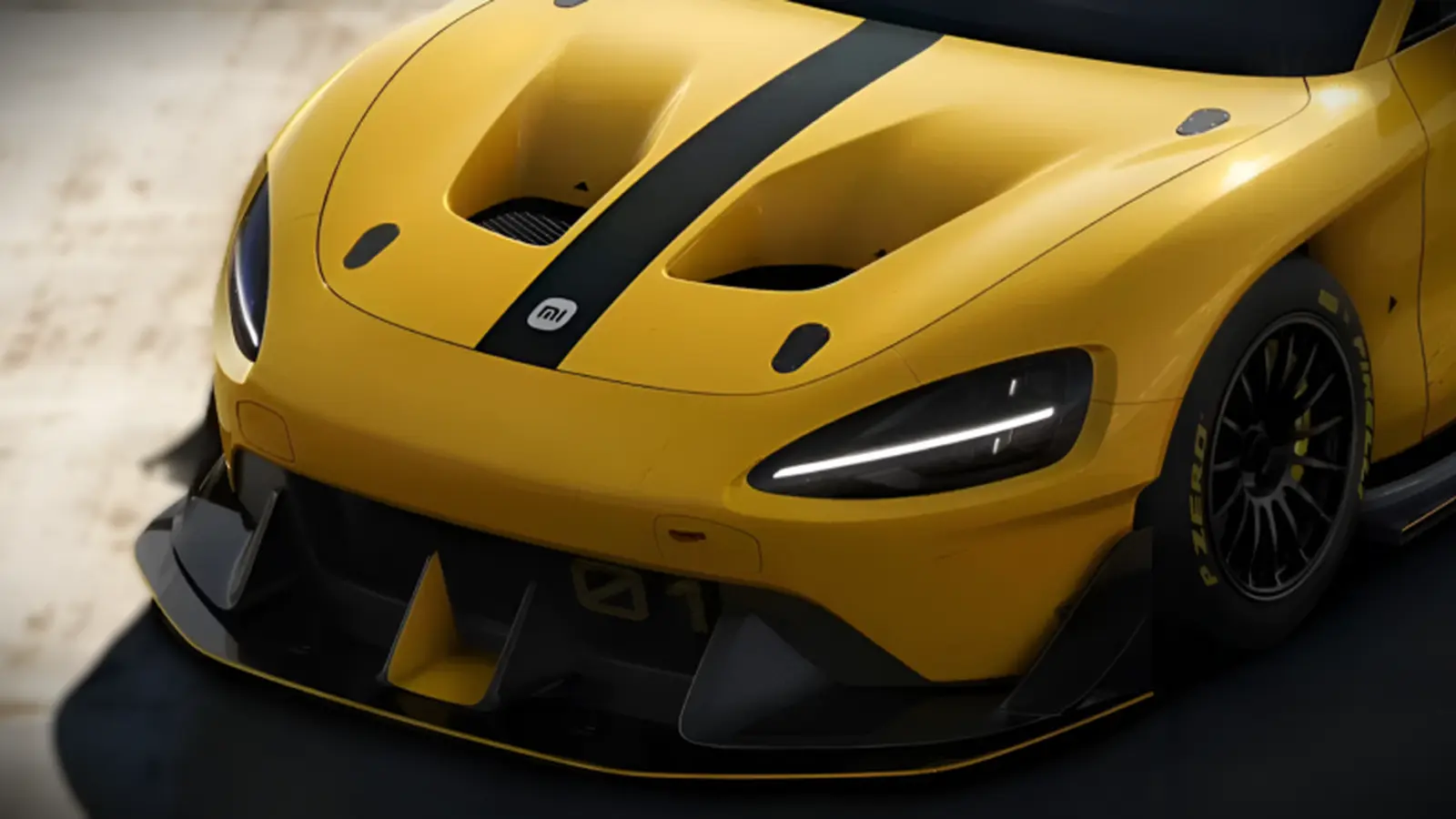
Xiaomi has secured its first courtroom win in the growing controversy surrounding the SU7 Ultra’s optional carbon-fibre “dual-duct” hood—an accessory that has sparked heated debate among EV enthusiasts over what it actually does in real-world driving.
On February 12, 2026, the Kaifu District People’s Court in Changsha, China, threw out fraud and breach-of-contract claims filed against a Xiaomi-authorised dealer. It is the first fully concluded trial tied to the SU7 Ultra’s 42,000 yuan (about $5,810) carbon-fibre hood, as reported by local media.
What the Changsha court decided
The plaintiff had asked for a double refund of a 10,000 yuan (around $1,380) deposit—an approach often seen in consumer disputes where fraud is alleged. The court rejected that demand.
According to the ruling, the purchase agreement signed on March 5, 2025 was later dissolved by mutual consent, taking effect on September 13, 2025. Total court costs were set at 800 yuan (around $110) and split between both parties:
- Plaintiff: 500 yuan (about $70)
- Xiaomi: 300 yuan (about $40)
Why Xiaomi’s marketing language mattered
At the center of the case was the question of whether the hood was sold under misleading claims. The court’s reasoning leaned heavily on wording: phrases such as “high-efficiency airflow” were found not to directly conflict with the verified function described as “partial airflow discharge.”
The court also said it did not see evidence that Xiaomi intentionally misled customers in public statements related to internal structural changes.
The technical dispute: vents, ducts, and expectations
The SU7 Ultra is positioned as Xiaomi EV’s flagship performance sedan, and the carbon-fibre hood was marketed to echo prototype-level aerodynamics and cooling. Owners, however, began posting observations as early as May 2025 claiming the production hood’s internal design looked very similar to the standard aluminium hood—except for an added plastic support plate.
Independent testing added fuel to the conversation. Some owners reported that airflow measured at the vent openings appeared minimal even when using blowers—raising doubts about whether the “dual-duct” feature worked as implied.
Xiaomi later acknowledged that earlier messaging wasn’t perfectly understood. In a May 8, 2025 clarification, the company described prior communication as “insufficiently clear,” reframing the part’s purpose as “auxiliary front-compartment heat dissipation.”
To ease tensions, Xiaomi offered remedies that included:
- Allowing undelivered-order customers to switch back to the aluminium hood (with a reported 30–40 week wait)
- Granting existing owners 20,000 loyalty points, estimated at roughly 2,000 yuan (about $276)
Not all courts agree: a split in legal outcomes
The Changsha decision doesn’t close the book on the SU7 Ultra hood saga. It contrasts with an October 2025 case in Suzhou, where a court upheld a fraud finding in a single dispute and ordered Xiaomi to pay 156,000 yuan (about $21,547).
More cases remain active in Nanjing and Suzhou. Xiaomi has reportedly submitted extensive technical documentation—84 pages of evidence—to support its claims about the component’s performance and intended function.
Market impact: controversy meets collapsing SU7 Ultra demand
The legal win arrives at a delicate moment for Xiaomi’s performance EV. SU7 Ultra monthly sales reportedly fell from a peak above 3,000 units to just 45 units in January 2026, a dramatic 98.5% drop.
Yet Xiaomi EV’s broader footprint appears steadier. The brand recorded 22,100 total insurance registrations in January 2026—up around 15% versus the December average—suggesting that while the SU7 Ultra halo model is struggling, Xiaomi’s wider electric car lineup may be absorbing demand.
With more than 100 similar lawsuits reportedly filed across China over premium accessory specifications, the Changsha ruling offers Xiaomi a useful legal precedent. For shoppers watching China’s fast-moving EV market, it’s also a reminder that in the age of performance-focused electric sedans, the smallest aero detail—especially one made of carbon fibre—can become a headline-maker.

“I cover automotive innovation, electric vehicles, and the future of mobility — where technology meets sustainability.”

Discussion
Leave a Comment