
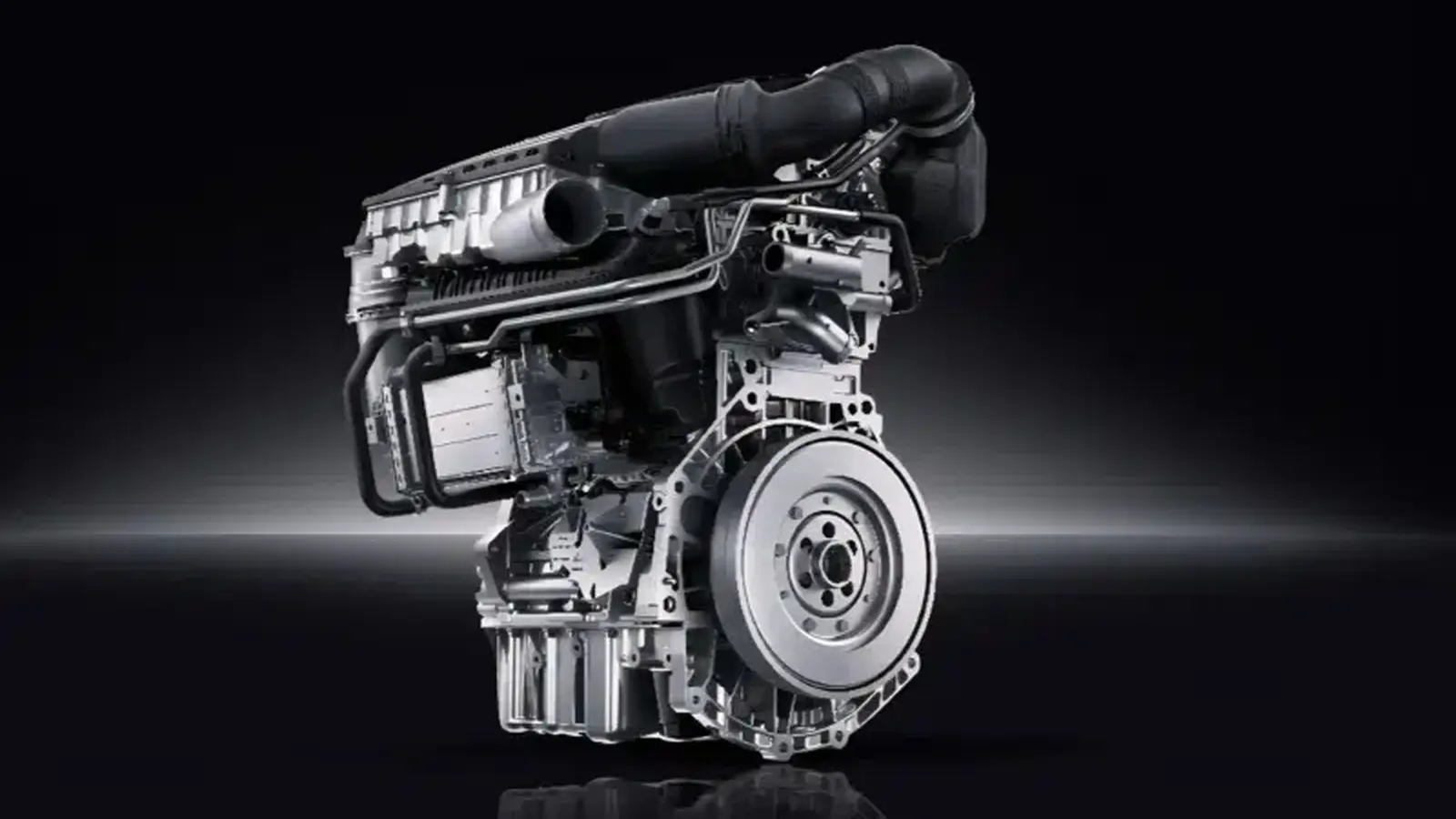
Volkswagen finally put its “golden range extender” into mass production in China—and Li Auto didn’t send flowers. It sent a punchline.
“Congratulations to Volkswagen for successfully mass-producing a technology that is outdated, very environmentally unfriendly, and has little development potential—in just six years,” wrote Li Auto’s social media director, turning what should’ve been a straightforward manufacturing milestone into the latest flare-up in China’s increasingly personal EV tech debate.
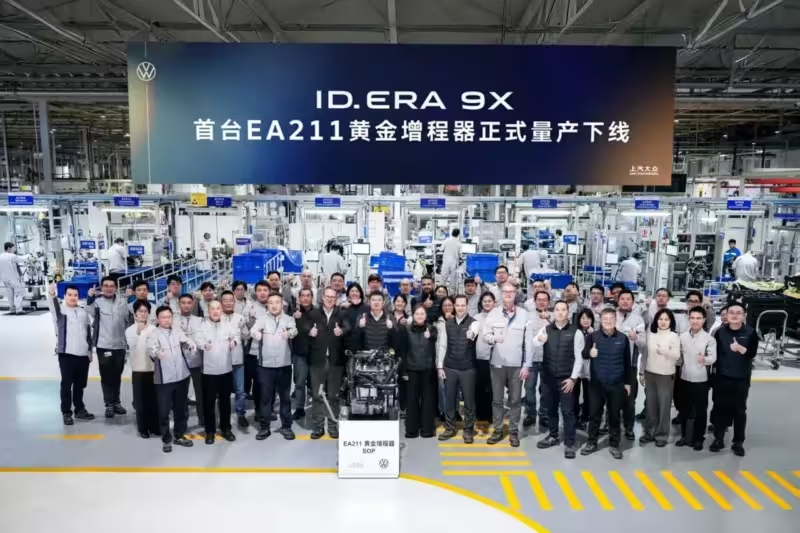
At the center of the noise is Volkswagen’s EA211-based range-extender system, which rolled off the line on March 2. The setup is slated to debut in the Volkswagen ID. Era 9X, positioned as the brand’s first flagship EREV (extended-range electric vehicle) SUV for China, with pre-sales expected to begin in March.
For Volkswagen, the messaging is clear: this isn’t a side project, it’s a calculated move into a market where range anxiety still sells cars. And the company is leaning on a familiar nameplate to do it. Since 2011, the EA211 engine family has reportedly been installed in more than 20 million vehicles in China—meaning the architecture is well-known to suppliers, service networks, and manufacturing planners.
This new range-extender is developed from the EA211 1.5T EVO II turbocharged engine technology. Reports point to a variable geometry turbocharger (VTG) to fine-tune airflow for more efficient power generation, plus a deep Miller cycle and 350-bar fuel pressure aimed at trimming emissions. In other words: a modernized combustion unit repurposed for the job of making electricity rather than directly driving the wheels, the typical EREV playbook.
SAIC-Volkswagen didn’t throw a jab back, at least not directly. The company’s Executive Vice President of Sales and Marketing responded with a diplomatic line: “Thank you for the efforts of all Chinese automotive professionals. Together, we will contribute to the progress of the industry.” The kind of statement meant to cool temperatures—while the room stays hot.
This argument didn’t start this week
If the exchange feels oddly familiar, it should. The friction traces back to 2020, when Volkswagen China’s leadership publicly questioned the environmental logic of EREVs—vehicles that drive electrically but carry a gasoline engine as a generator when the battery runs low.
Back then, Volkswagen China CEO Stephan Wöllenstein reportedly described gasoline-generated electricity in EREVs as environmentally unfriendly. Around the same period, Volkswagen China R&D chief Wiedmann was quoted calling EREVs an outdated technology with limited development potential.
Li Auto, which built its early identity around extended-range SUVs, pushed back hard. The company argued that real-world product comparisons mattered more than theory—and suggested comparisons against Volkswagen Group’s plug-in hybrids in a similar price and size bracket, such as the Audi Q7 e-tron and Porsche Cayenne E-Hybrid, inviting media to stack up fuel consumption and driving experience against the Li One.
Then, in December 2021, Li Auto CEO Li Xiang escalated the rebuttal from engineering to sales charts, saying the Li One’s monthly volume had surpassed the combined sales of five Volkswagen SUVs—an unmistakable message that consumer demand, not ideology, was shaping the market.
Now Volkswagen is stepping into the same extended-range arena it once dismissed, betting that a well-known engine family and a China-focused EREV flagship can win over drivers who want electric commuting with the safety net of fuel-powered generation for longer trips.
Whether Li Auto’s “outdated tech” line lands as a fair critique or just sharp-edged marketing, the bigger story is hard to miss: range-extender EVs aren’t fading away in China—they’re becoming mainstream enough for legacy giants and local specialists to fight over the narrative.

“Cars are evolving faster than ever. I cover electric vehicles, smart mobility, and the future of transportation worldwide.”

Discussion
Leave a Comment