
3 Minutes
Silicon is power in the smartphone world. And Xiaomi clearly wants more of it under its own roof.
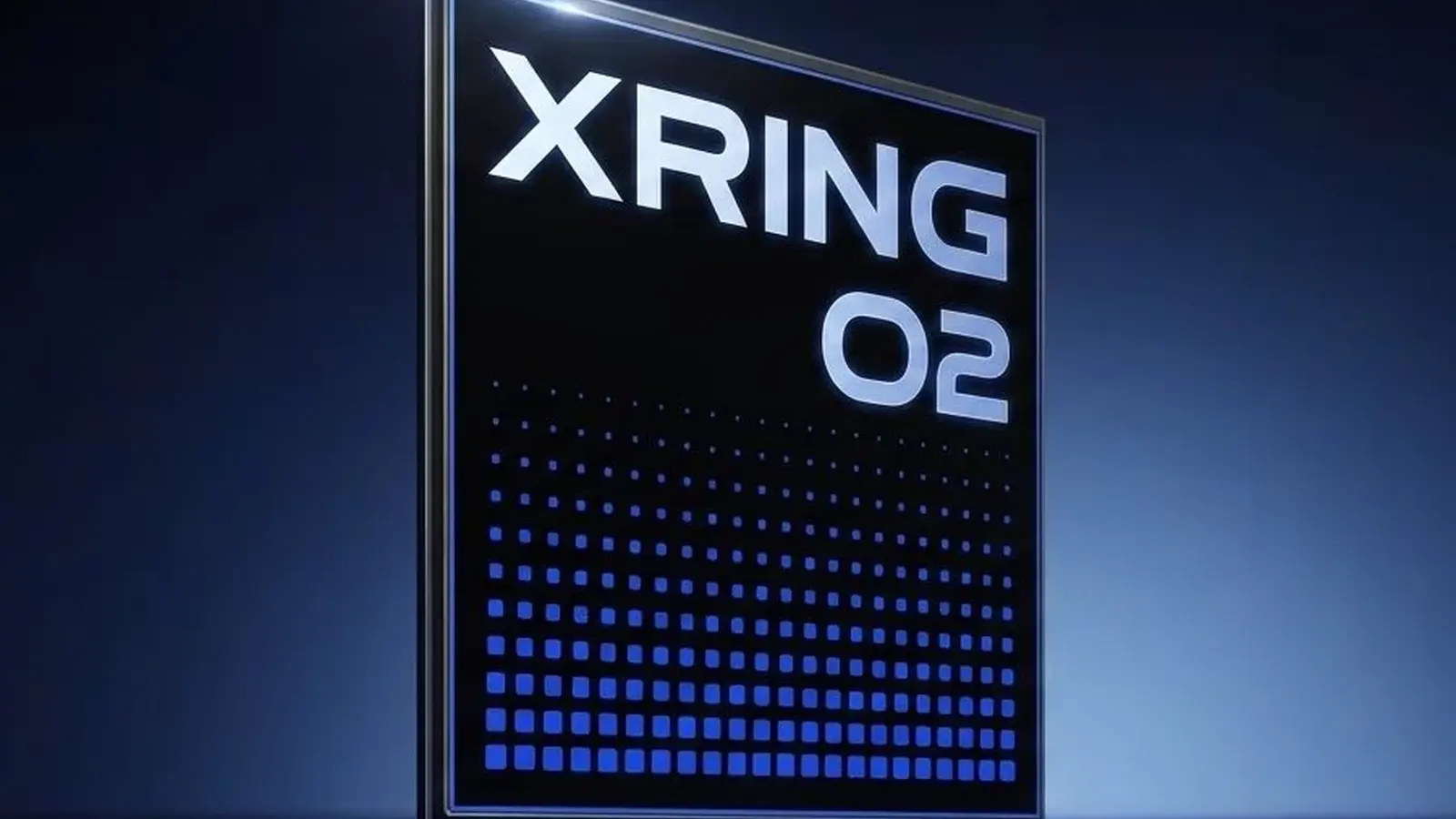
After quietly stepping into the custom chip arena last year, the company now appears ready for round two. According to well‑known industry leaker Digital Chat Station, Xiaomi is preparing to introduce a new XRING‑branded processor later this year, widely expected to be called the XRING O2. If the information holds, the chip will again be produced using TSMC’s cutting‑edge 3‑nanometer manufacturing process—the same class of advanced fabrication currently used by the most elite mobile processors.
The upcoming silicon would follow the XRING O1, Xiaomi’s first serious attempt at building a flagship smartphone system‑on‑chip entirely in‑house. That processor debuted inside the Xiaomi 15S Pro and surprised many observers by delivering competitive benchmark results and steady real‑world performance, especially for a first‑generation effort.
A Quiet Shift Toward Owning the Core Technology
Most Android manufacturers rely heavily on external chip suppliers. Qualcomm and MediaTek dominate the ecosystem, supplying processors that power everything from budget phones to ultra‑premium flagships. Only a handful of companies—Apple and Samsung among them—design their own silicon at scale.
Xiaomi wants to join that small circle.
In a recent CNBC interview, Xiaomi Group President Lu Weibing revealed that the company plans to launch a new self‑developed smartphone processor every year. That kind of cadence signals something bigger than experimentation. It suggests a long‑term strategy: tighter control over performance, efficiency, and hardware integration across Xiaomi devices.
And smartphones may be only the beginning. Reports suggest Xiaomi intends to extend its custom chips beyond phones, potentially powering tablets, wearables, and other connected hardware across its rapidly expanding ecosystem.
When founder Lei Jun first discussed the XRING project, he framed the O1 as a foundational step rather than a mass‑market push. Building a processor from scratch typically takes three to four years of research and development, he explained. Early generations focus on validating architecture and design rather than chasing massive shipment numbers.
Even so, the XRING O1 was hardly a modest test. Built on Arm‑based CPU and GPU architectures and manufactured using TSMC’s second‑generation 3nm node, the chip achieved multi‑core benchmark scores exceeding 9,000—squarely within flagship territory.
If the XRING O2 arrives later this year as rumored, it will mark Xiaomi’s fastest follow‑up yet. More importantly, it would confirm that the company is serious about one thing: building the brains of its devices itself, one generation of silicon at a time.



Leave a Comment