
5 Minutes
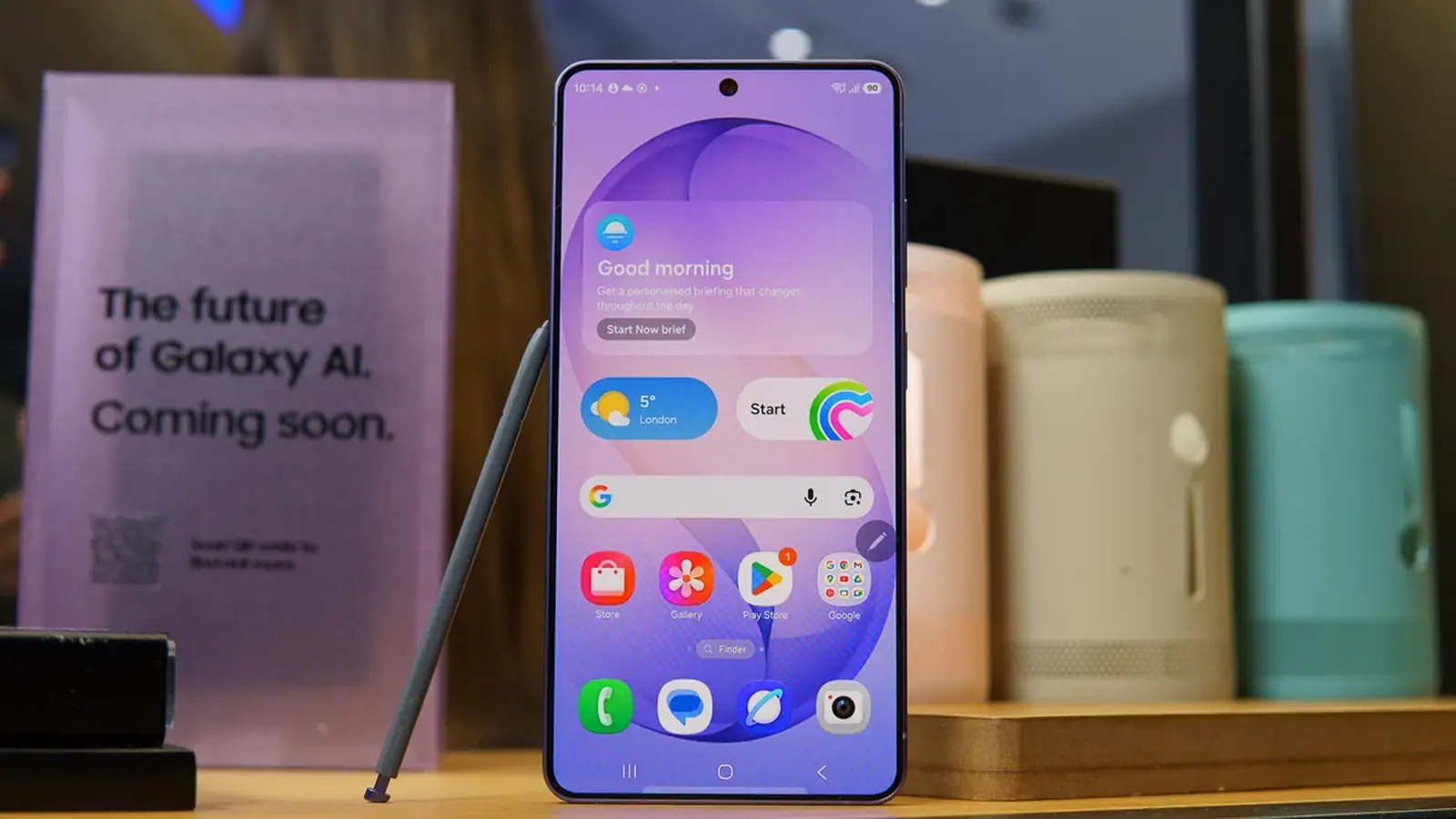
Imagine sitting on a crowded train, pulling out your phone, and knowing the person next to you can’t peek at a single pixel. That’s the promise Samsung is chasing with the Galaxy S26 Ultra. Not a software trick. Not a cheap privacy filter. The display itself is engineered to keep wandering eyes out.
It’s one of the boldest screen experiments we’ve seen on a flagship smartphone in years—and also one of the messiest.
At the heart of the Galaxy S26 Ultra is a hybrid pixel system. Some pixels behave like those on any typical OLED display, spreading light across a wide viewing cone. Others are designed differently. They focus light forward, almost like tiny flashlights pointed straight at the user.
Flip on privacy mode and the display shifts behavior. Those forward-facing pixels take over, dramatically narrowing the viewing angle so that anyone looking from the side sees… almost nothing. On paper, it’s clever engineering. In practice, it’s a bit more complicated.
Samsung didn’t stop at a simple on–off switch either. The privacy system is deeply customizable. Users can trigger it only when specific apps are open—banking apps, messaging platforms, password managers. Even entering a PIN can automatically activate the restricted viewing mode.
The system can also mask only certain areas of the screen. Picture this: a notification slides down while you’re using your phone in public. Instead of dimming everything, the display hides just that notification panel while the rest of the screen remains visible. Pixel‑level control makes that possible.
It’s inventive. It’s ambitious. And yet early impressions suggest the technology comes with trade‑offs Samsung may not have fully ironed out.
When Innovation Starts Hurting Your Eyes
Some early users are reporting something unexpected: eye strain. And not after hours of scrolling—sometimes after just a short reading session.
What’s curious is that these complaints appear even when privacy mode is turned off. Close-up photos of the S26 Ultra display show a panel that looks slightly less refined than last year’s Galaxy S25 Ultra. Text rendering, in particular, seems to be where people notice it first.
Long paragraphs, emails, articles—anything that keeps your eyes focused on fine detail for extended periods—can apparently feel tiring faster than expected.
Now, to be fair, brief hands-on sessions with the device didn’t immediately reveal this issue. But quick demos rarely expose subtle display fatigue. Extended daily use might tell a different story, and full reviews will likely dig deeper into whether the hybrid pixel design is responsible.

The Cost of Privacy: Image Quality
There’s another compromise, and this one is impossible to miss.
Turn on maximum privacy mode and the display’s visual quality takes a noticeable hit. Sharpness drops. Colors lose their punch. Contrast looks flatter than you’d expect from a premium OLED panel.
In simple terms: the screen just doesn’t look as good.
That means the strongest privacy setting feels more like a temporary tool than a feature you’d want running all day. Think crowded buses, flights, or coffee shop work sessions—moments when you genuinely want to hide what’s on your screen.
Even then, the viewing restrictions aren’t perfect. The angles where the screen becomes fully unreadable are narrower than many people hoped. Someone sitting close enough might still catch glimpses of what you’re doing.
So while the concept works, the execution isn’t airtight yet.
There’s also a quieter downgrade that longtime Samsung fans might notice: the anti-reflective coating.
In recent years, Samsung’s flagship displays became famous for their glare reduction. The coating on devices like the Galaxy S25 Ultra made screens dramatically easier to read under harsh lighting. It was so effective that competitors began improving their own display coatings in response.
On the S26 Ultra, that anti-glare performance appears slightly weaker. Reflections are still controlled, but not quite as impressively as before. It’s not confirmed that the new privacy hardware caused this change—but it’s a reasonable guess. Integrating two types of pixels inside the panel may have forced trade-offs elsewhere.
And that’s the recurring theme with this phone: fascinating ideas, complicated compromises.
Still, there’s something refreshing about what Samsung is attempting here.
For years, smartphone upgrades felt painfully predictable. Slightly faster chips. Slightly brighter screens. Slightly better cameras. The Galaxy S series, despite its reputation, had begun to feel stuck in a cycle of cautious iteration.
The S26 Ultra breaks that rhythm. The privacy display might not be perfect, but it signals experimentation again. First-generation technologies often arrive rough around the edges, and this one is no exception.
What matters is that the door is now open. Future versions could improve pixel alignment, restore full display clarity, and widen the true privacy angles. Other manufacturers are reportedly exploring similar concepts already.
So yes—the Galaxy S26 Ultra’s privacy display has flaws. Several, actually.
But in a smartphone market starving for genuine hardware innovation, even imperfect ideas can feel like a breath of fresh air.


Comments
Tomas
Wow didn’t expect Samsung to try this! Bold move, kinda messy tho... love the experimentation. Hope they fix sharpness asap, pls
mechbyte
Is this even true? clever trick but eye strain reports sound bad. If text gets fuzzy, no thanks. Need full reviews.

Leave a Comment