
3 Minutes
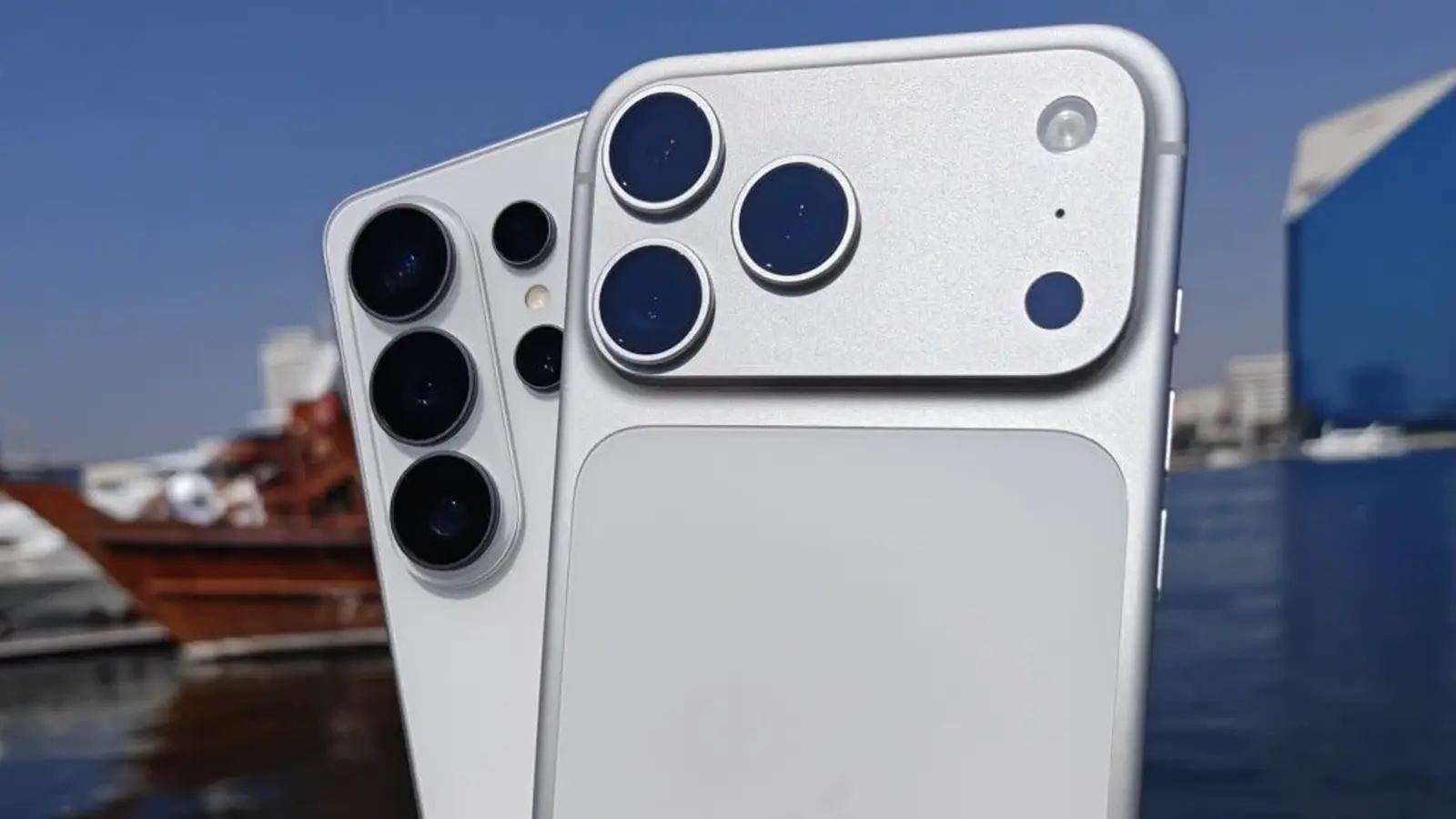
Another year, another heavyweight camera battle. Samsung arrived with the Galaxy S26 Ultra carrying impressive numbers on its spec sheet, including a revamped 200MP main camera and refinements to its long‑range zoom system. On paper, it looks like the kind of upgrade that should shake up the rankings.
Yet the first round of independent testing tells a slightly different story. Early camera evaluations from DxOMark suggest Samsung has made meaningful progress—but Apple’s iPhone 17 Pro still manages to hold a narrow lead in several critical areas.
At first glance, the S26 Ultra doesn’t appear radically different from last year’s Galaxy S25 Ultra. The ultra‑wide camera remains a 50MP sensor paired with an f/1.9 aperture and a 1/2.52‑inch sensor size. Samsung also kept the familiar 10MP telephoto lens with 3x optical zoom and an f/2.4 aperture.
The real attention goes elsewhere. Samsung concentrated its efforts on the main camera and the longer‑range telephoto system—two areas that often define flagship smartphone photography.
Where Samsung pushed the hardware forward
The centerpiece is the upgraded 200MP primary sensor. While the megapixel count hasn’t changed, the lens aperture has widened from f/1.7 to f/1.4. That seemingly small tweak allows substantially more light to reach the sensor—Samsung claims roughly 47% more.
More light means clearer night photos, better textures, and less digital noise. In practice, DxOMark’s early findings indicate that the Galaxy S26 Ultra does indeed capture improved detail in darker scenes compared with the S25 Ultra. Skin tones also appear more natural, suggesting Samsung refined its color processing and computational photography pipeline.
The telephoto system also received attention. The 50MP 5x periscope lens now uses an f/2.9 aperture along with Samsung’s compact ALoP (Adaptive Lens on Prism) design. One noticeable change shows up in portrait photography: background highlights appear more rounded, replacing the somewhat square‑shaped bokeh patterns seen in earlier Galaxy models.
There is, however, a small compromise. The minimum focusing distance stretches to roughly 52 centimeters, which could make close‑range shots slightly trickier than before.
All of these tweaks add up to a camera that feels more polished. Portraits show improved noise control. Details hold together better in dim environments. Overall image balance has improved.

But the iPhone 17 Pro still refuses to give up its crown easily.
According to DxOMark’s preliminary testing, Apple’s flagship continues to deliver marginally cleaner results in difficult low‑light scenes. Its image processing also appears more consistent when lighting conditions become unpredictable.
Another advantage comes from portrait segmentation—the tricky task of separating a subject from the background. The iPhone 17 Pro reportedly handles complex scenes with greater accuracy, producing fewer artifacts around hairlines and edges.
Samsung’s device can occasionally struggle with autofocus when identifying faces, which may lead to slight inconsistencies in portrait shots.
None of this means the Galaxy S26 Ultra falls far behind. In fact, the improvements over the S25 Ultra are real and noticeable. The gap, however, hasn’t completely disappeared.
For now, DxOMark’s early results suggest Apple still holds a slim edge in overall camera consistency—especially when the lighting gets tough and the algorithms have to work overtime.
Source: dxomark


Comments
Tomas
Nice upgrades, but portrait AF hiccups are annoying. Bet a software patch will close the gap soon, Samsung pls
atomwave
hmm, 47% more light sounds huge but DxOMark still gives iPhone a slight lead? curious how they tested low light scenes... kinda surprised

Leave a Comment