
4 Minutes
The fight over digital advertising in Europe has a familiar protagonist: Apple. And once again, the company’s privacy playbook is under intense scrutiny—this time from German publishers and advertising groups who believe Apple’s App Tracking Transparency (ATT) system tilts the field in its own favor.
What began as a privacy feature is now the center of a widening antitrust debate. Several German industry organizations, including the German Association of the Branded Goods Industry, have formally urged regulators to take a harder stance. Their message to the country’s competition watchdog is blunt: Apple’s proposed tweaks to ATT barely scratch the surface.
The Bundeskartellamt, Germany’s federal antitrust authority, opened a review of Apple’s tracking rules in late 2024. Since then, pressure from the advertising ecosystem has only intensified. Publishers argue that while Apple frames ATT as a privacy safeguard for iPhone users, the framework also reshapes the mobile advertising market in ways that benefit Apple’s own platforms.
A privacy tool—or a competitive gatekeeper?
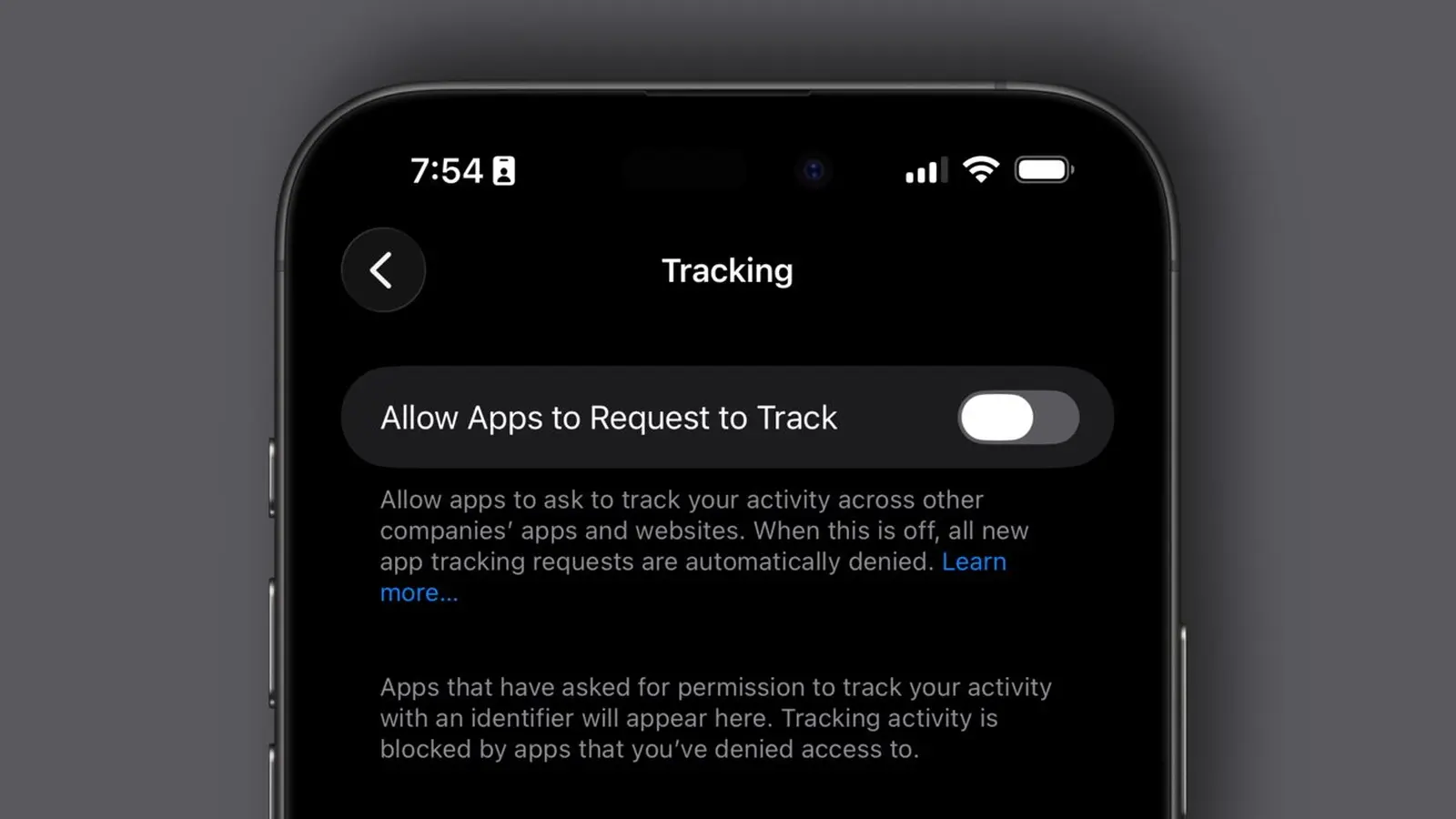
ATT requires apps to ask users for permission before tracking their activity across other apps and websites. The prompt appears as a simple pop-up: allow tracking, or don’t. Most users choose the latter.
That single decision has ripple effects across the digital ad industry. Companies that rely on cross‑app data—social platforms, ad networks, and many publishers—suddenly lose visibility into how ads perform or how users behave across the broader mobile ecosystem.
Apple, critics argue, is less affected. The company can still leverage data within its own ecosystem, including the App Store, Apple News, and other first‑party services where it increasingly sells advertising. That asymmetry sits at the heart of the German complaint.
Bernd Nauen, chief executive of the German Advertising Federation, put it plainly in a letter to regulators. Apple’s proposed adjustments—such as softer language in permission prompts and a smoother process for developers requesting access to ad data—don’t solve the fundamental issue.
According to Nauen, Apple would still control the gates. It decides who can access advertising‑relevant data and how companies communicate with their audiences. In other words, even if the wording changes, the power structure remains the same.
The frustration isn’t new. When ATT first rolled out, Meta warned that the change would cost it billions in advertising revenue. Many smaller publishers reported similar struggles as targeted advertising became harder to measure and optimize on iOS devices.
Apple, however, sees the story differently.
The company maintains that ATT exists for one reason: giving people control over their personal data. In a statement addressing the criticism, Apple reiterated its long‑standing position that privacy is a fundamental human right. The company argues the backlash is coming largely from industries that previously relied on broad access to user data.
Apple says ATT simply gives users a clear choice about whether apps can track them across the digital landscape.
Regulators across Europe have already examined the system. France previously reviewed Apple’s tracking framework and ultimately allowed it to remain in place. Germany’s investigation, however, may take a different path.
Some industry groups are pushing for a far more aggressive outcome. Their goal isn’t just fines. They want Germany’s antitrust authority to force Apple to change—or potentially abandon—the current ATT model.
That would be a major victory for advertisers and publishers struggling to adapt to the new privacy environment. But it would also mean weakening one of the most visible privacy controls available to hundreds of millions of Apple users.
And that’s the tension regulators now face: protecting competition in the digital advertising market without dismantling a tool many consumers see as long overdue.
Source: appleinsider


Comments
Armin
kinda torn. users deserve privacy, but small pubs are getting crushed. who fixes this? seems unfair, imo
datashift
So Apple says privacy, but isnt this just stealth favoring their own ads? Regulators, wake up, feels rigged, no?

Leave a Comment