
8 Minutes
Sixteen years ago, two of the richest men alive made a remarkably simple proposal: if you accumulate extraordinary wealth, give most of it away.
In 2010, Warren Buffett and Bill Gates unveiled the Giving Pledge, inviting the world’s billionaires to publicly promise that at least half of their fortunes would ultimately go to philanthropy. It sounded bold at the time. Tech fortunes were exploding, new billionaires seemed to appear every quarter, and the industry still carried a lingering belief that innovation and idealism could coexist.
Buffett even hinted at the scale of what might happen. Trillions of dollars, he suggested, could eventually flow toward global causes if the wealthiest families followed through.
The trillions did arrive. The generosity—less consistently.
Today the wealth gap has widened to levels few imagined back then. In the United States, the top 1% of households now control roughly the same amount of wealth as the bottom 90%, according to Federal Reserve data. Worldwide, billionaire fortunes have surged by more than 80% since 2020, reaching about $18.3 trillion. At the same time, hundreds of millions of people still struggle with basic necessities, including reliable access to food.
Against that backdrop, a quieter shift is happening among the very group that once championed large-scale giving. Some of the ultra‑rich are questioning whether the Giving Pledge still holds meaning—or whether they should distance themselves from it entirely.
The numbers tell part of the story. During its first five years, 113 families signed the pledge. The pace slowed to 72 in the following five-year stretch, then dropped again to 43. In 2024, just four new participants joined.
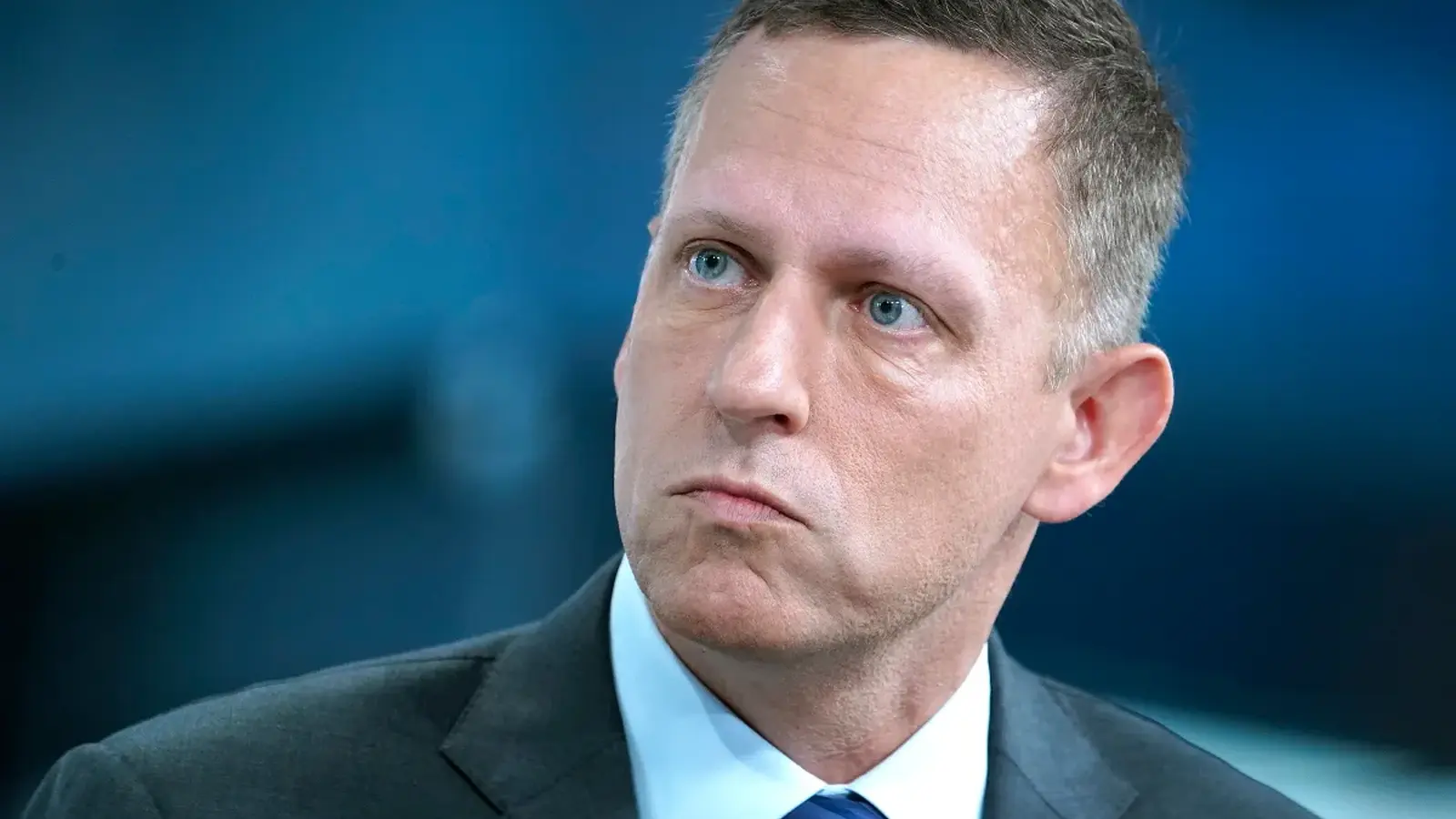
The signatories list still reads like a who’s who of modern tech power—Mark Zuckerberg and Priscilla Chan, Elon Musk, OpenAI chief Sam Altman among them. Yet even inside billionaire circles, the initiative appears to have lost momentum. Venture capitalist Peter Thiel recently described the project as something that has simply “run out of energy,” suggesting that joining the pledge no longer carries the same prestige it once did.
Part of the change reflects a deeper cultural shift inside Silicon Valley. For years, tech companies liked to frame their mission in lofty terms: building platforms that would transform society, empower communities, or “make the world a better place.” The phrase became so overused that HBO’s satirical series Silicon Valley famously mocked it into irrelevance.
The joke landed because it contained a kernel of truth. Many early technologists genuinely believed innovation would drive social progress. But over time, the industry’s tone hardened. Profit and scale replaced idealism as the dominant language of success.
When Silicon Valley’s Philosophy Split in Two
Some longtime observers trace the shift to a philosophical divide that has widened over the past decade. On one side sits the legacy of figures like Steve Jobs, whose generation blended counterculture thinking with entrepreneurial ambition. On the other side stands a more unapologetic libertarian outlook—often associated with investors like Peter Thiel—that prioritizes markets, individual freedom, and wealth creation above collective responsibility.
Veteran tech investor Roger McNamee once described the clash as a battle between “hippie idealism” and “Ayn Rand–style libertarianism.” The outcome, in his view, has become increasingly clear: Silicon Valley’s power centers are now dominated by those who see economic success itself as the ultimate social contribution.
From that perspective, philanthropy isn’t necessarily a moral obligation. Building companies, generating jobs, and pushing technological progress forward are already forms of giving back. Anything beyond that can feel performative—or worse, coerced by public expectations.
Thiel has become one of the most vocal critics of the Giving Pledge. Notably, he never signed it himself. In private conversations, he has reportedly encouraged several participants to reconsider their commitments. Some, he claims, privately regret attaching their names to the pledge in the first place.
His argument is blunt: wealthy founders should decide how—or whether—to give, without feeling pressured by social norms or fellow billionaires. In at least one case, when Coinbase CEO Brian Armstrong quietly removed his pledge letter from the initiative’s website in 2024, Thiel reportedly congratulated him.
Another controversial claim from Thiel is that some signatories feel trapped. Walking away from a public promise—even a voluntary one with no legal force—can trigger backlash. According to him, that reputational risk keeps certain billionaires from formally renouncing the pledge, even if they no longer support it.
Yet that argument clashes with the public image of several tech leaders. Elon Musk, for instance, has shown little interest in protecting his reputation from criticism, while Mark Zuckerberg has spent years navigating intense scrutiny from regulators and lawmakers. Neither appears particularly constrained by public opinion.
Meanwhile, far from billionaire boardrooms, everyday financial pressures are becoming more visible. Crowdfunding platform GoFundMe reported a 17% rise last year in campaigns seeking help for basic needs—rent, groceries, utility bills, and fuel. Words like “food,” “home,” “work,” and “care” appeared frequently in fundraising pages.
During a recent 43‑day federal shutdown that disrupted food assistance payments in the United States, related fundraising campaigns increased sixfold. For many households, community donations have become a stopgap where traditional safety nets fall short.
Whether this surge in grassroots fundraising connects directly to decisions made by billionaires is still debated. But the timing is difficult to ignore.
It would be misleading to suggest that philanthropy itself is disappearing from the tech world. What’s changing is how it’s structured. Some of the wealthiest founders are still giving away enormous sums—but through their own organizations, guided by personal priorities rather than collective pledges.
The Chan Zuckerberg Initiative offers a good example. In early 2026, the organization cut about 70 jobs as it shifted focus away from education and social justice projects toward a network of nonprofit biomedical research labs known as Biohubs. The move wasn’t a retreat from giving; it was a recalibration toward science and long‑term medical research.
And some figures remain deeply committed to traditional philanthropy. Bill Gates recently reiterated plans to distribute nearly all of his remaining fortune—more than $200 billion—through the Gates Foundation over the next two decades, with the organization scheduled to close permanently in 2045. He often quotes Andrew Carnegie’s famous line: the person who dies rich, dies disgraced.
History suggests that philanthropy alone rarely resolves the tensions created by extreme wealth. The last time fortunes concentrated on a similar scale—the Gilded Age of the late 19th century—the balancing forces came from government policy. Antitrust laws, income taxes, estate taxes, and eventually the New Deal reshaped the economic landscape.
Those reforms emerged only after years of political pressure and social unrest. Whether modern institutions could produce a similar correction remains an open question.
One thing is clear: the speed of wealth creation today is unprecedented. Many of the world’s largest fortunes were built in a single generation—or even a single decade. According to Oxfam’s latest inequality report, the wealth gained by billionaires in 2025 alone could have given every person on Earth roughly $250 while still leaving the billionaire class hundreds of billions richer.
The Giving Pledge was never designed as law. Buffett called it a “moral commitment” from the start—no enforcement, no penalties, just a public statement of intent.
For a while, that idea carried real symbolic power. Today, as some of the world’s most influential tech leaders rethink the promise, the pledge has become something else entirely: a window into how Silicon Valley’s values are evolving.
Source: techcrunch


Comments
DaNix
Makes sense tbh. building stuff is their idea of charity but society still needs taxes and rules, not just gestures.
bioNix
Is this even true? Pledge numbers dropping but is it PR theater, private foundations hiding actual giving? curious...
atomwave
wow, billionaires rethinking pledges? feels weird, trillions talked about and not enough follow thru... basic needs ignored.

Leave a Comment