
4 Minutes
March 19 is shaping up to be one of Xiaomi’s busiest product days in recent memory—and not just because of a laptop refresh. The company is lining up a full showcase in China, blending personal tech with mobility, and the early details already hint at a tightly integrated ecosystem push.
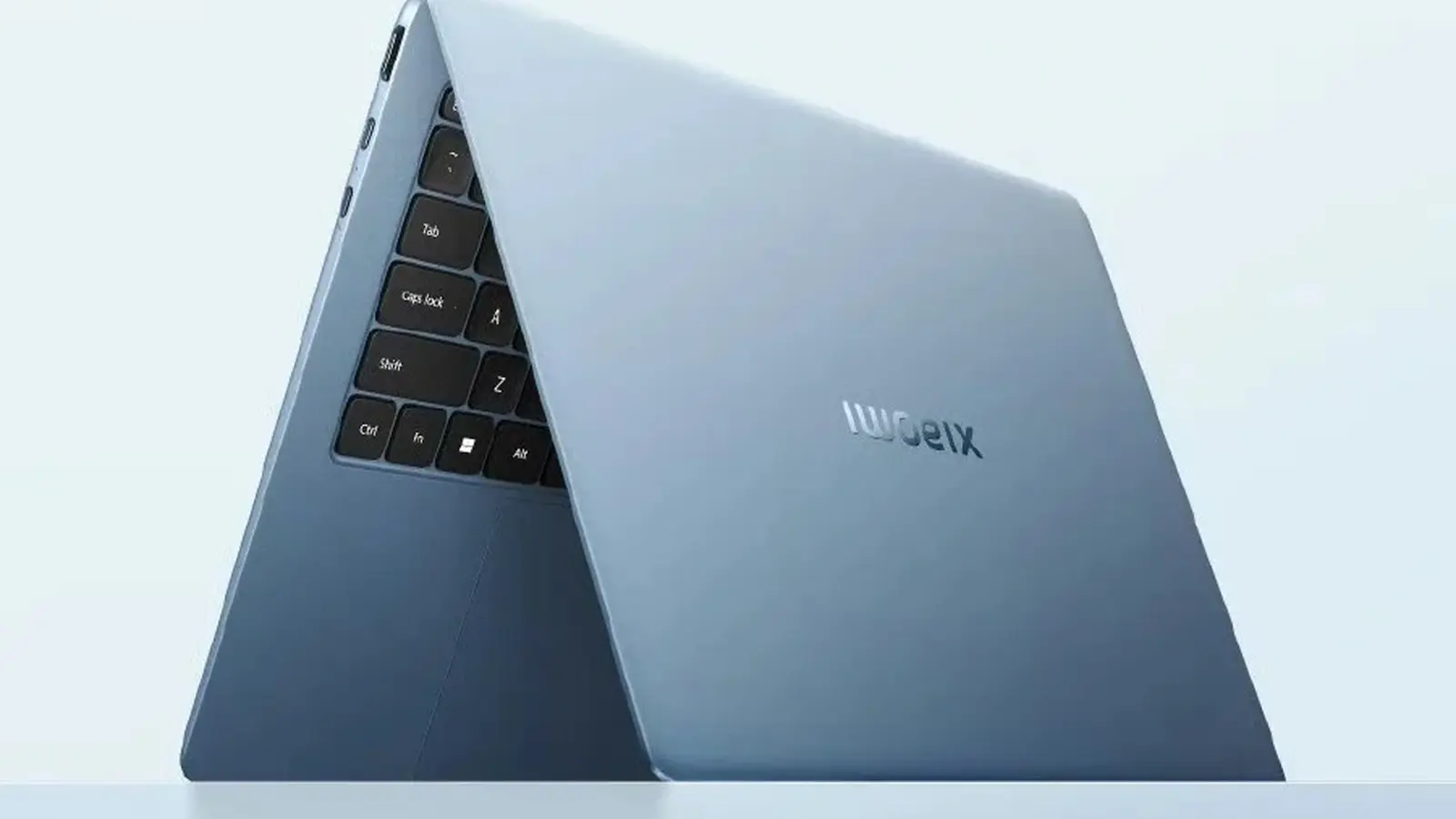
Front and center is the new Xiaomi Book Pro 14, a machine that leans heavily into display quality and portability. It carries a 14.6-inch OLED panel with a sharp 3.1K resolution, paired with a 120Hz refresh rate and a peak brightness of 1600 nits. In plain terms: it’s built for people who care about color, contrast, and fluid visuals—whether that’s creators or just anyone tired of dull screens.
What stands out immediately is the weight. At just 1.08kg, Xiaomi is clearly targeting users who move a lot but don’t want to compromise on performance. Inside, it runs on Intel’s third-generation Core Ultra X7 358H processor, signaling serious horsepower under a slim chassis. Storage is equally flexible, stretching up to 4TB with multiple slots and an extra M.2 SSD option.
The touchpad gets an upgrade too, now pressure-sensitive and tuned for gesture controls—a small change that could make daily interactions feel more fluid. Around the edges, Xiaomi hasn’t cut corners: Thunderbolt 4, USB-C, USB-A, HDMI 2.1, and even a 3.5mm headphone jack are all present.
Thermals often tell the real story with thin laptops, and Xiaomi seems aware of that. The Book Pro 14 uses a vapor chamber cooling system, backed by dual fans and a triple air-duct layout. According to the company, it can sustain up to 50W of performance under load, which is ambitious for something this light.

A smartwatch that leans into precision
Sharing the stage is the Xiaomi Watch S5, and this one is less about flashy redesigns and more about accuracy. The watch introduces a revamped sensor system that combines multiple light sources and photodiodes to improve biometric tracking. Xiaomi claims heart rate accuracy can reach up to 94 percent—an incremental but meaningful jump for fitness-focused users.
Sleep tracking also gets smarter, with updated algorithms aimed at better detecting when users actually fall asleep and wake up. It’s the kind of refinement that matters more over time than headline features.
On the fitness side, the Watch S5 supports over 150 sports modes and uses a dual-frequency GNSS chip. That means more reliable positioning across systems like GPS and Galileo, especially in dense urban areas where signals tend to bounce.
Battery life remains a strong point. Xiaomi says the watch can last up to 21 days in Bluetooth mode, or around 14 days with eSIM enabled, powered by an 815mAh battery. That puts it comfortably ahead of many competitors that still struggle to cross the one-week mark.
And then there’s the wildcard: Xiaomi is also expected to reveal the next iteration of its SU7 electric vehicle during the same event. It’s a reminder that the company isn’t just building gadgets anymore—it’s stitching together a broader tech ecosystem that spans your desk, your wrist, and even your driveway.


Comments
Armin
Is Xiaomi's 50W sustained perf realistic in a 1kg chassis? Sounds optimistic, need real benchmarks not just PR numbers, we'll see.
pixelflux
Wow that screen sounds insane, 3.1K OLED at 120Hz and just 1.08kg? If thermals + battery hold up this could crush rivals... curious tho

Leave a Comment