
3 Minutes
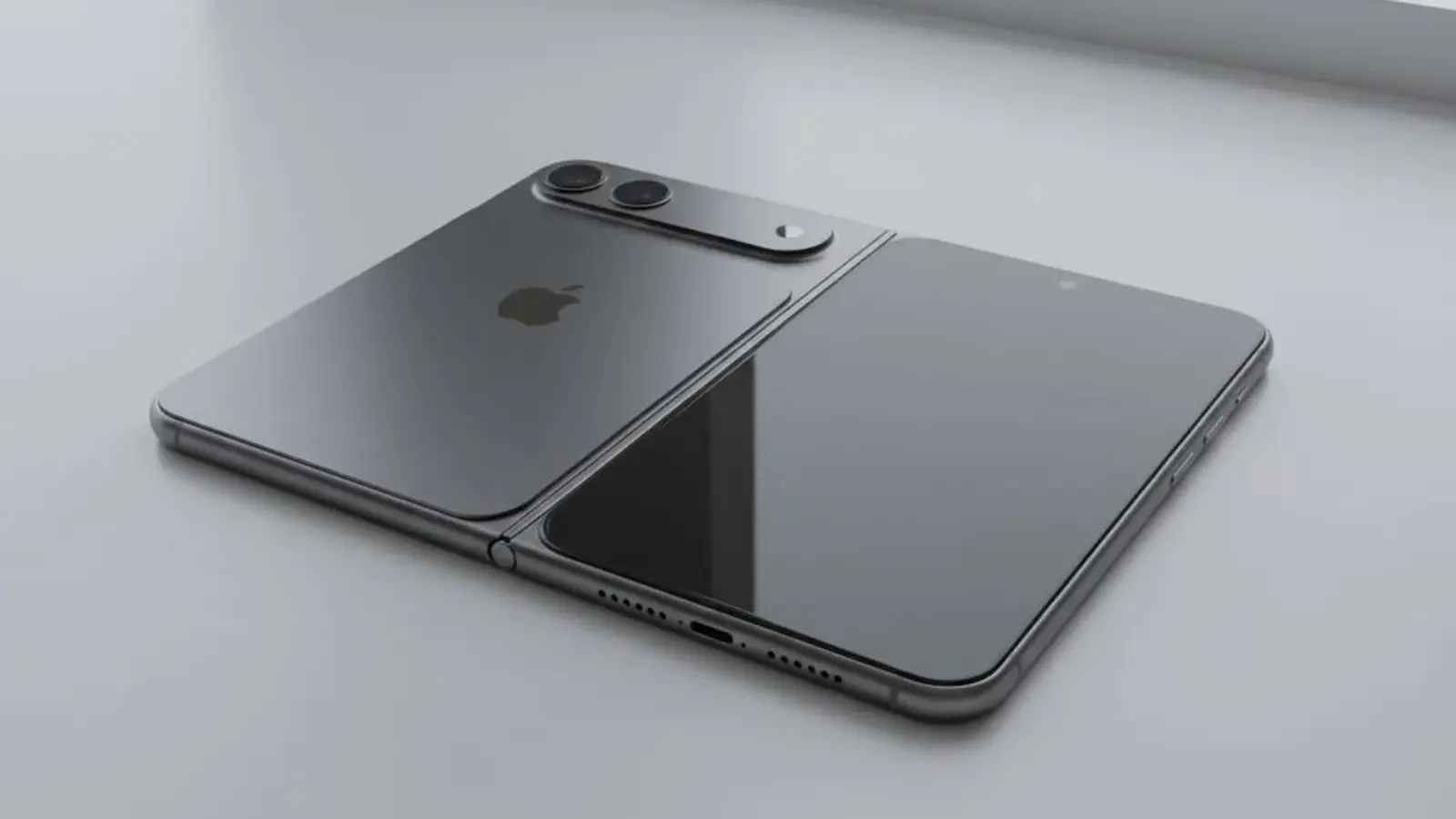
The long-rumored foldable iPhone isn’t playing by Apple’s usual rules—and that’s exactly what makes it interesting.
For months, expectations pointed to a typical September debut followed by immediate availability. Now, that timeline looks far less predictable. According to Barclays analyst Tim Long, Apple could showcase its first foldable iPhone alongside the iPhone 18 Pro lineup, only to hold it back from store shelves until much later in the year.
Announced in Fall, Sold in Winter?
The idea isn’t as strange as it sounds. Apple has done this before. The iPhone X and iPhone XR both broke the привычный rhythm—revealed on stage in September, then released weeks afterward. A foldable iPhone, with its more complex design and manufacturing demands, could easily justify an even longer gap.
If current reports hold up, December 2026 could be the real moment when consumers get their hands on the device. That delay likely reflects the challenges of scaling production for an entirely new form factor rather than any lack of readiness. In fact, insiders suggest the design itself is already nearing completion.
And Apple rarely rushes hardware. Especially not something this experimental.
A Different Kind of iPhone Experience
What makes the iPhone Fold compelling isn’t just the hinge—it’s what happens when it opens. The device is expected to support true multitasking, allowing users to run two apps side by side. Think less phone, more pocket-sized workstation.
That shift puts Apple squarely into competition with existing foldables that lean heavily on productivity and immersive screen space. But Apple’s strength has never been first—it’s refinement. The company will likely aim to make folding feel seamless rather than novel.
There’s another twist. Apple may also rethink how it launches iPhones altogether. Instead of a single annual drop, reports suggest a split strategy: premium models in the fall, while standard versions—like the base iPhone 18—could arrive in early 2027. That would give Apple more breathing room to experiment with categories like foldables without disrupting its core lineup.
If this strategy sticks, the iPhone launch calendar as we know it could quietly change for good.



Leave a Comment