
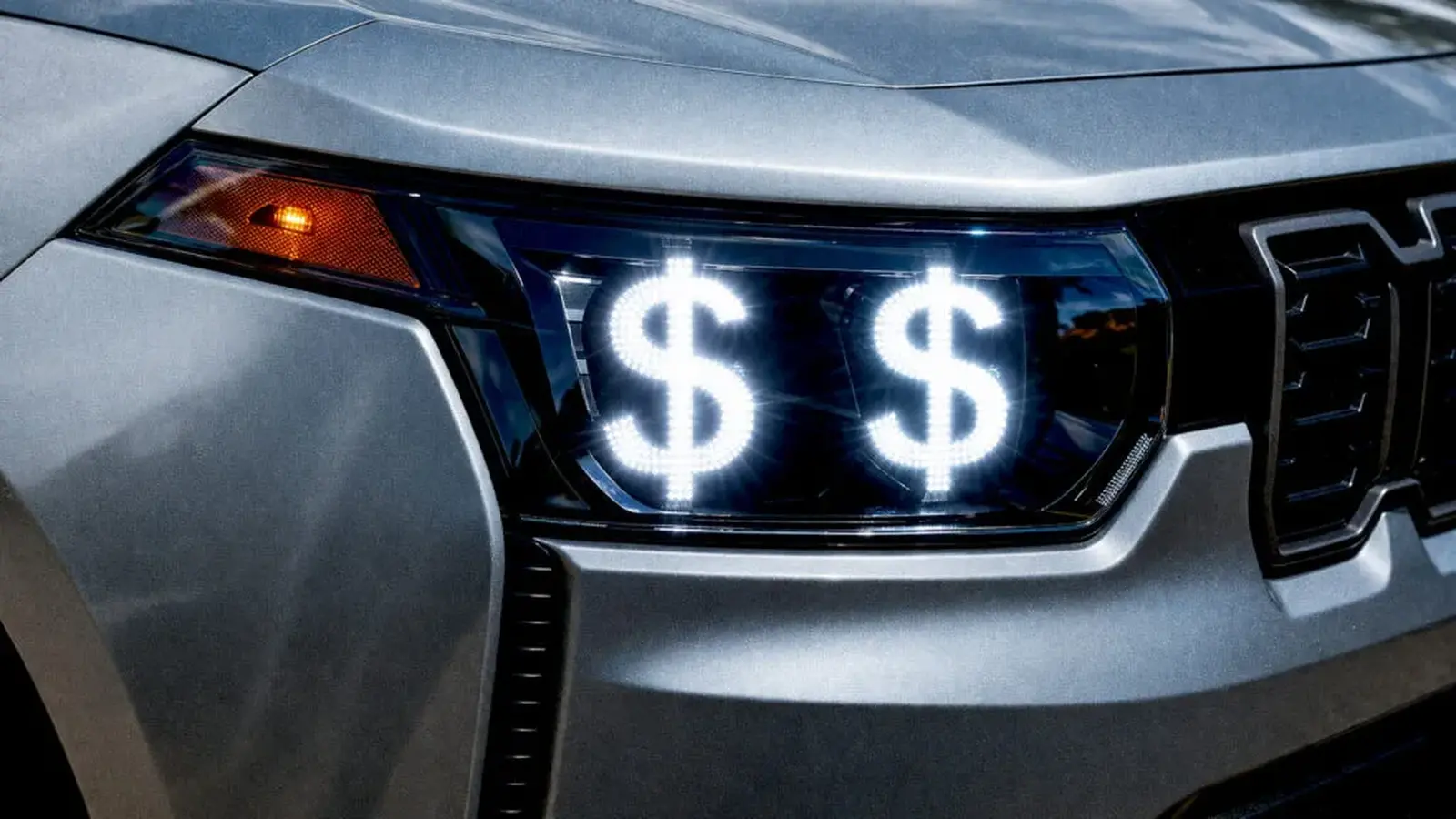
Walk into a dealership today and the numbers hit differently. That once-shocking $50,000 price tag? It barely raises eyebrows anymore. In fact, in markets like the U.S., it’s quietly becoming the baseline for a new car not the exception.
That shift didn’t happen overnight. Over the past several years, average transaction prices have climbed at a pace that outstrips what many buyers expected. Industry data points to roughly a 40 percent jump since late 2018. That’s not just inflation talking. Something deeper is reshaping the market.
Blaming rising prices solely on inflation misses the bigger picture. Analysts increasingly point to a perfect storm of decisions and trends—many of them deliberate—that have nudged prices higher year after year.
How Bigger Became Better for Automakers
Take a look around any showroom. Sedans haven’t disappeared entirely, but they’ve been pushed to the margins. In their place: SUVs, crossovers, and pickup trucks dominate the floor.
This isn’t an accident. Larger vehicles bring in significantly higher profit margins—sometimes north of 20 percent. For automakers under constant pressure to deliver returns, that’s hard to ignore. So they build what sells best and earns the most.
The side effect? Entry-level cars are quietly fading out. As affordable models vanish, the average price naturally creeps upward. Even buyers who want something simple and compact often find fewer options—and higher starting points.
Then there’s the tech factor. Modern cars are rolling bundles of software and sensors. Advanced driver assistance systems, expansive infotainment displays, connectivity features, cameras—what used to be premium add-ons now comes standard in many vehicles.
All of it adds cost. Safer, smarter cars are great news in theory, but they’re also more expensive to build. And those costs don’t stay hidden for long—they show up on the sticker.

The Quiet Aftershock of Supply Chains
The pandemic-era semiconductor shortage didn’t just slow production—it changed pricing behavior. With fewer vehicles available, automakers gained unusual control over pricing. Discounts shrank. Inventory tightened. Buyers had fewer alternatives.
Even as supply chains stabilize, prices haven’t fully retreated. Once the ceiling moved higher, it stayed there.
Behind the scenes, costs continue to stack up. Raw materials are pricier. Shipping isn’t as cheap as it once was. Manufacturing itself has become more expensive. Carmakers have responded the only way they can—by adjusting prices to protect margins.
The ripple effects are now visible in how մարդիկ buy cars. Longer loan terms are becoming the norm. Seven-year financing deals, once considered extreme, are increasingly common as buyers stretch payments to keep monthly costs manageable.
The $50,000 car isn’t a luxury milestone anymore it’s a reflection of how the entire industry has evolved.
And for many consumers, that evolution comes with a trade-off: hold onto older vehicles longer, or turn to the used market, where demand—and prices—are rising in parallel.

“Cars are evolving faster than ever. I cover electric vehicles, smart mobility, and the future of transportation worldwide.”

Discussion
Leave a Comment