
3 Minutes
The sticker shock hits fast. One moment you're browsing for a reliable external drive, the next you're staring at a price tag that feels wildly out of place—almost like a typo. Except it isn’t.
Behind the scenes, something bigger is unfolding. The global race to build AI infrastructure is quietly reshaping the cost of everyday tech, and external hard drives have become an unexpected casualty.
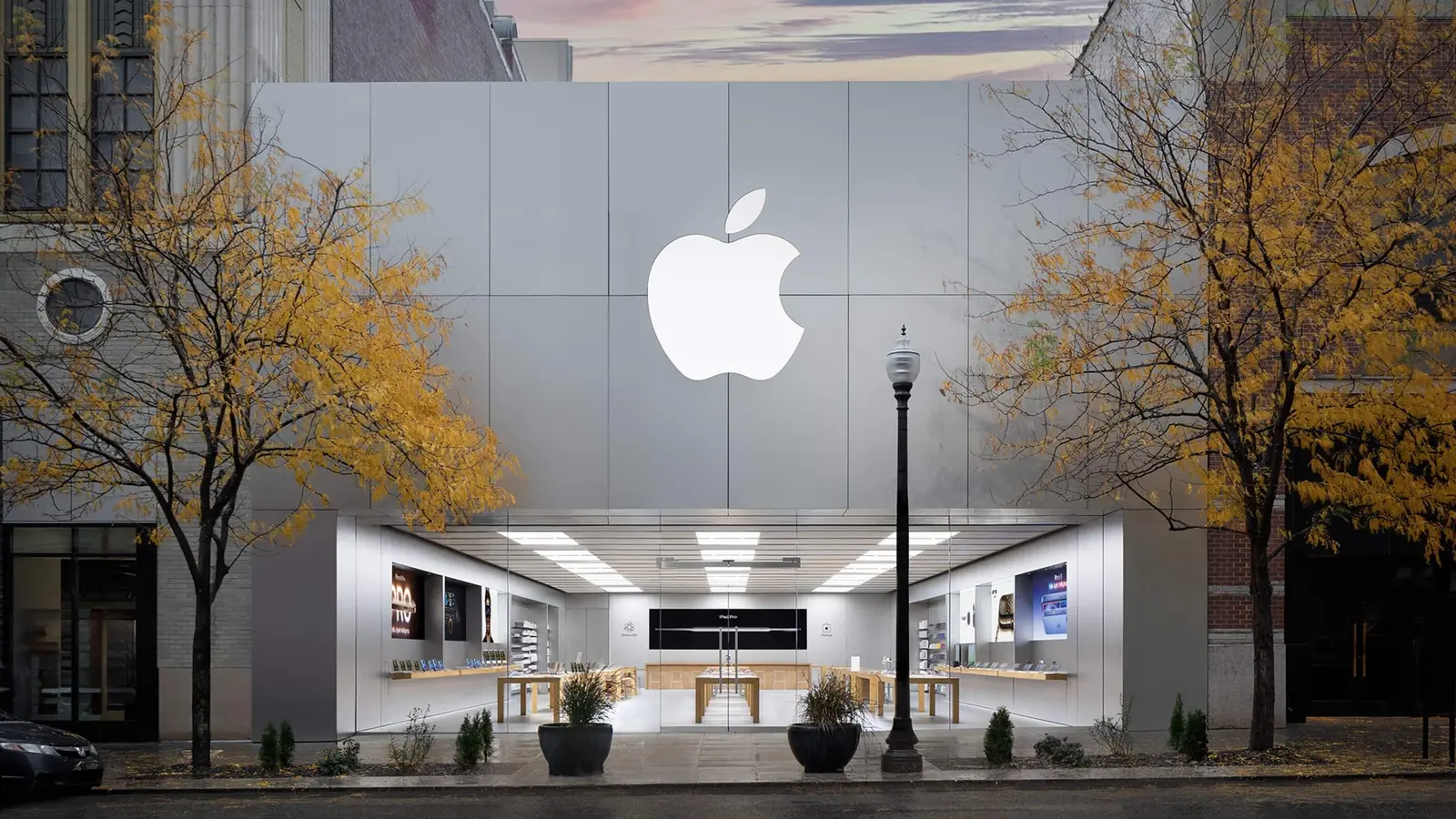
Apple customers are among the first to feel it. In recent weeks, prices for external storage devices listed on Apple’s website and in its retail stores have jumped sharply. A SanDisk 4TB external drive that hovered around $500 not long ago is now pushing close to $1,200. Even smaller capacities haven’t been spared—the 1TB version has tripled in price, climbing from roughly $120 to $360.
Apple isn’t the one setting these prices, but its storefront reflects a broader market shift. Storage manufacturers are redirecting supply to where demand—and profit margins—are highest: AI data centers.
When AI Demand Drains Consumer Supply
The explosion of artificial intelligence services has triggered an insatiable appetite for memory and storage. Data centers powering large language models and generative tools require vast quantities of high-performance chips. Manufacturers, in response, are prioritizing those lucrative contracts over consumer-grade hardware.
That shift is leaving shelves thin. Try searching for external drives online through Apple or major retailers, and you’ll quickly notice the pattern—limited availability, long delays, or nothing at all. Physical stores sometimes still have stock, but even there, prices reflect the squeeze.
And it’s not just storage devices. The ripple effect is spreading across the entire hardware ecosystem. Laptops, smartphones, tablets—everything that depends on memory chips is feeling the pressure. HP recently noted that memory and storage now account for around 35% of a PC’s total component cost, a dramatic jump from the 15–18% range seen before.
For professionals who rely on external drives—video editors juggling massive footage, designers handling high-resolution assets—this isn’t a minor inconvenience. It’s a budget problem. In some cases, it’s a workflow bottleneck.
What makes the situation more unsettling is the lack of a clear endpoint. There’s no firm timeline for when supply might stabilize or when consumer pricing will ease. As long as AI infrastructure continues to expand at its current pace, the imbalance is likely to persist.
In other words, the cost of powering tomorrow’s AI is already showing up in today’s everyday tech purchases.
Source: neowin



Leave a Comment