
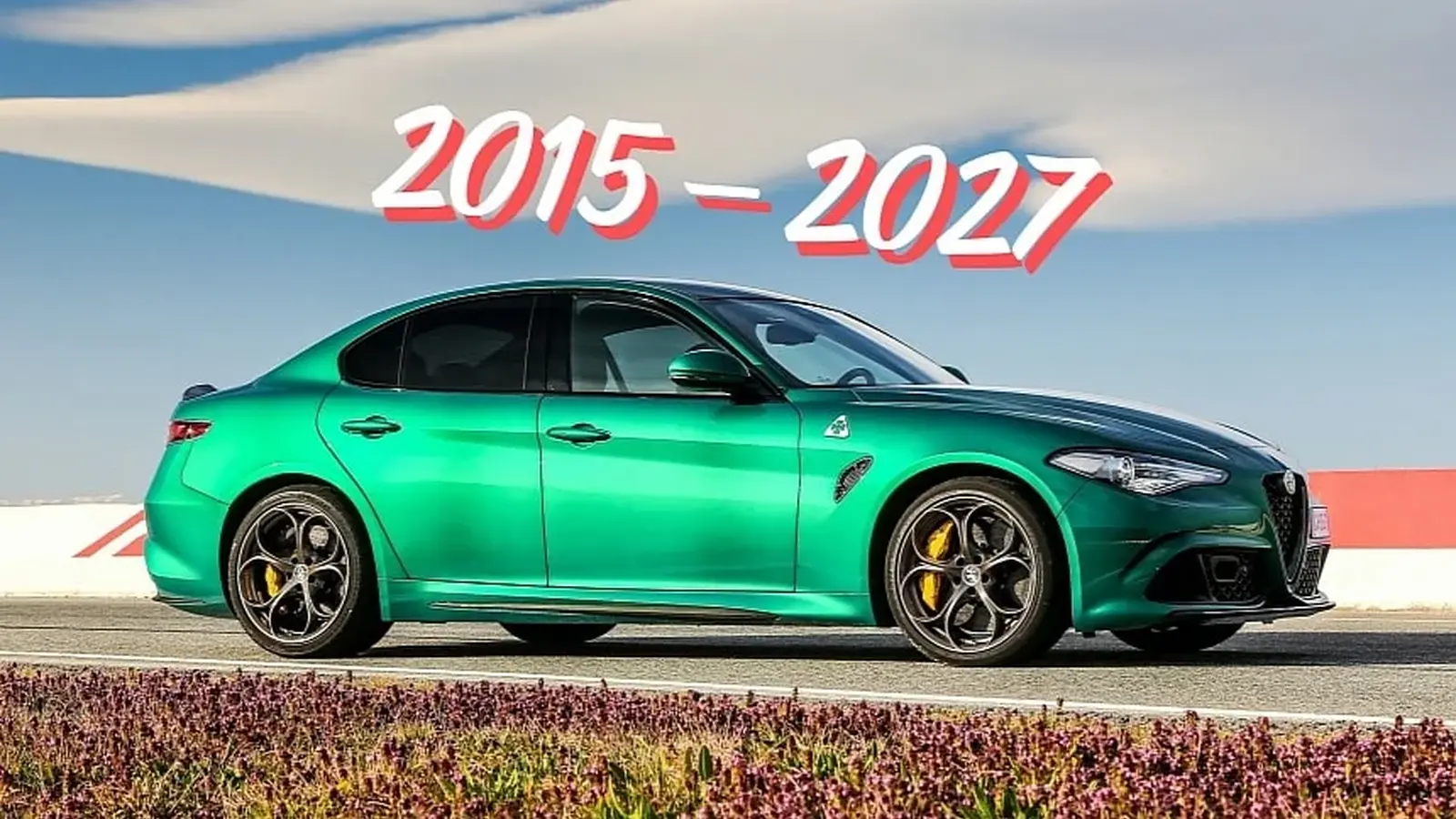
Alfa Romeo delays full-electric switch — Giulia and Stelvio live on
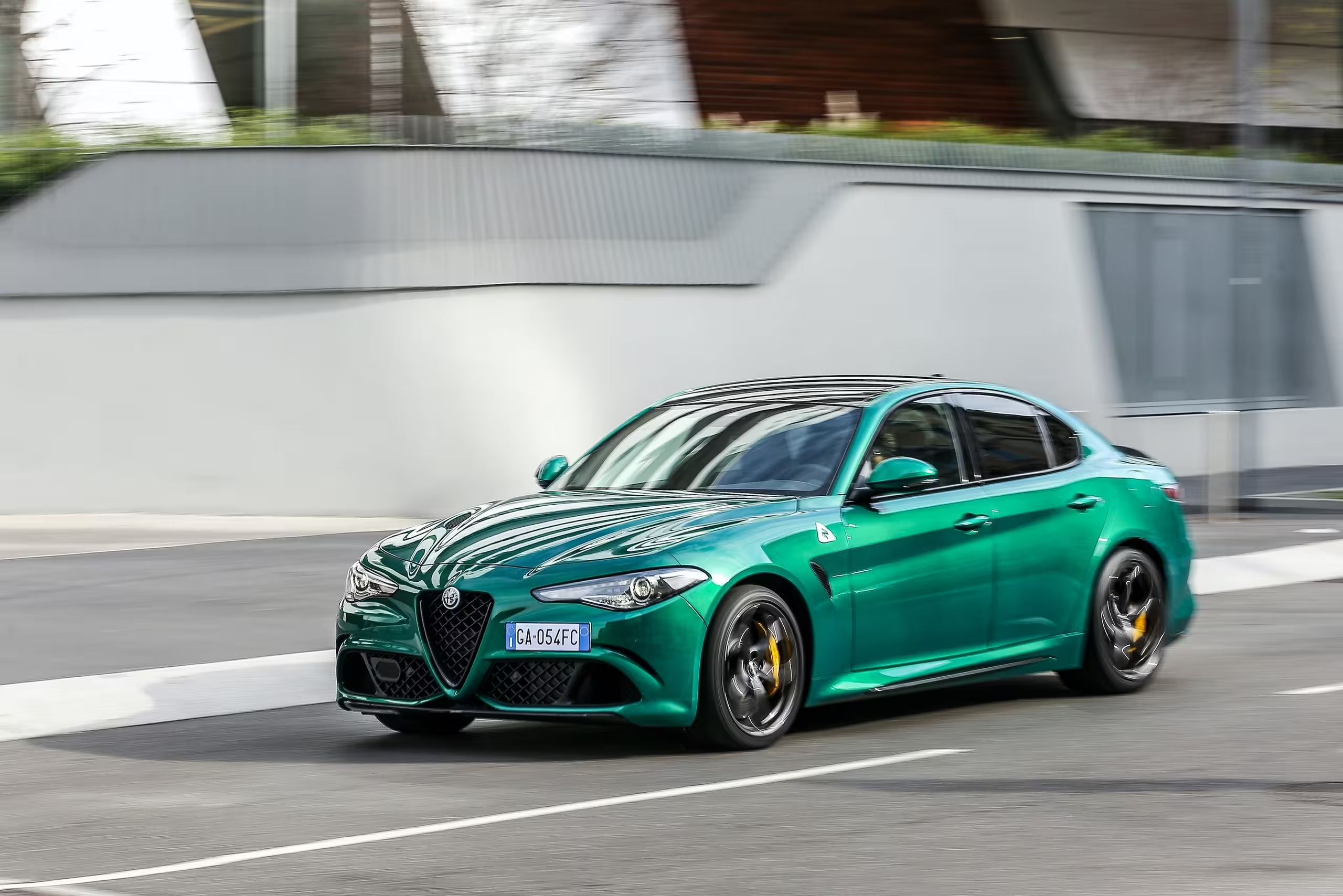
Alfa Romeo has pushed back its all-electric timeline, announcing that the internal combustion versions of the Giulia and Stelvio will remain in production until 2027. During the Tonale facelift presentation, CEO Santo Ficili confirmed the decision: the 2027 deadline to go fully electric was simply too aggressive given market demand and the brand's financial realities.
The move reflects a broader rethink at Stellantis. Rather than scrapping the current Giorgio-based Giulia and Stelvio too early, Alfa Romeo will continue selling those ICE models while planning next-generation cars that will offer both combustion and battery-electric variants.
What to expect from the carryover models
Don’t expect a ground-up redesign. Both the Giulia (952-series) and Stelvio will soldier on largely unchanged through 2027, with only light updates planned. The most visible change will be a slightly revised front end: new safety regulations coming into effect in July 2026 will eliminate Alfa Romeo’s offset license-plate mount, forcing a modest bumper redesign.
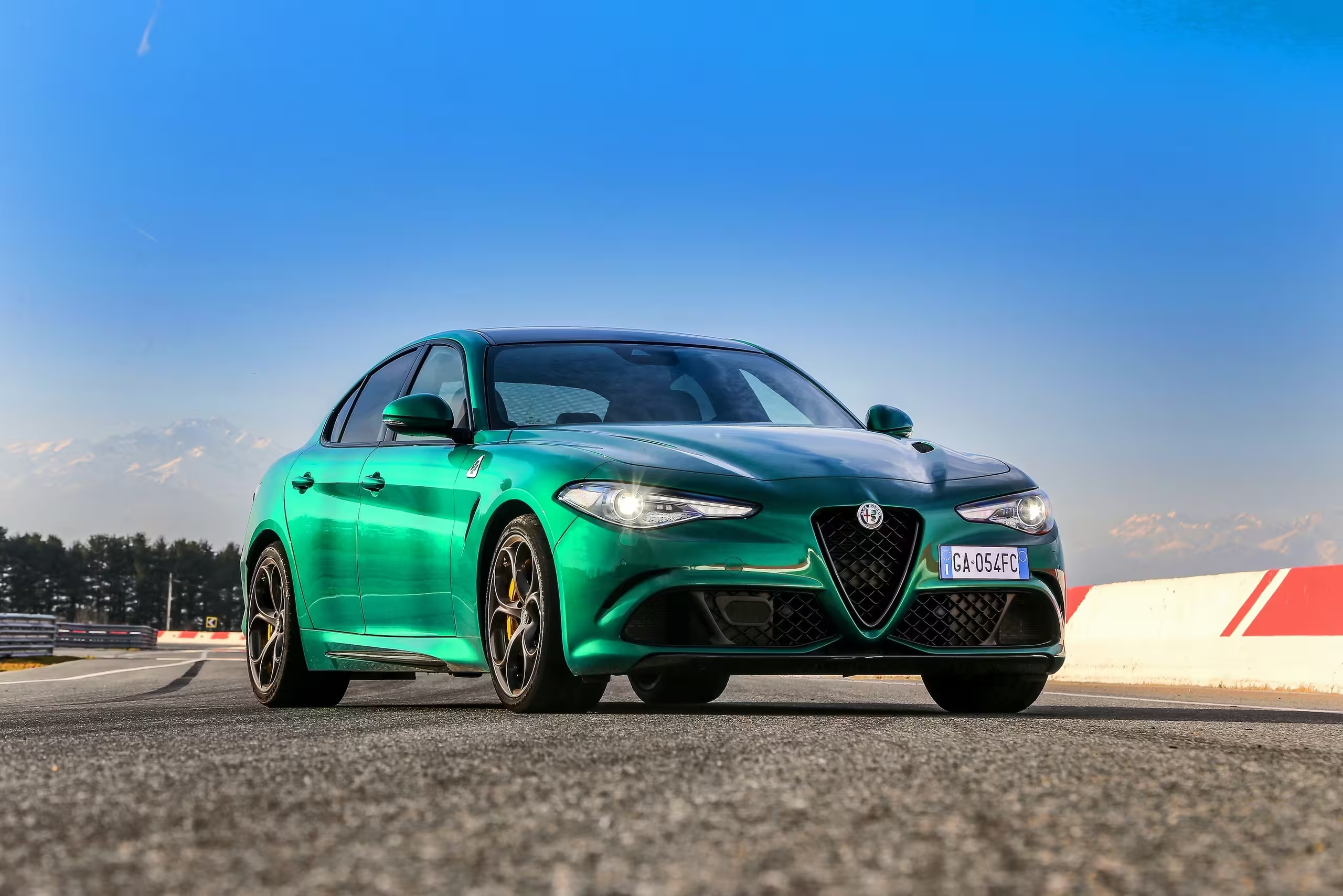
Key points:
- Production of both models will remain at FCA’s historic Cassino plant in Italy.
- Expect special editions and limited runs to keep interest alive.
- No hybrid upgrades are planned for the current Giorgio-based line; these remain pure internal combustion until successors arrive.
Cassino, Giorgio platform and the road ahead
The Giulia introduced the Giorgio platform in 2015, a rear-biased architecture that the Stelvio also shares. Derivatives of Giorgio underpin several other Stellantis models, including Maserati’s Grecale, GranTurismo, and the Jeep Grand Cherokee. Over time, those underpinnings will migrate to Stellantis' STLA Large architecture.
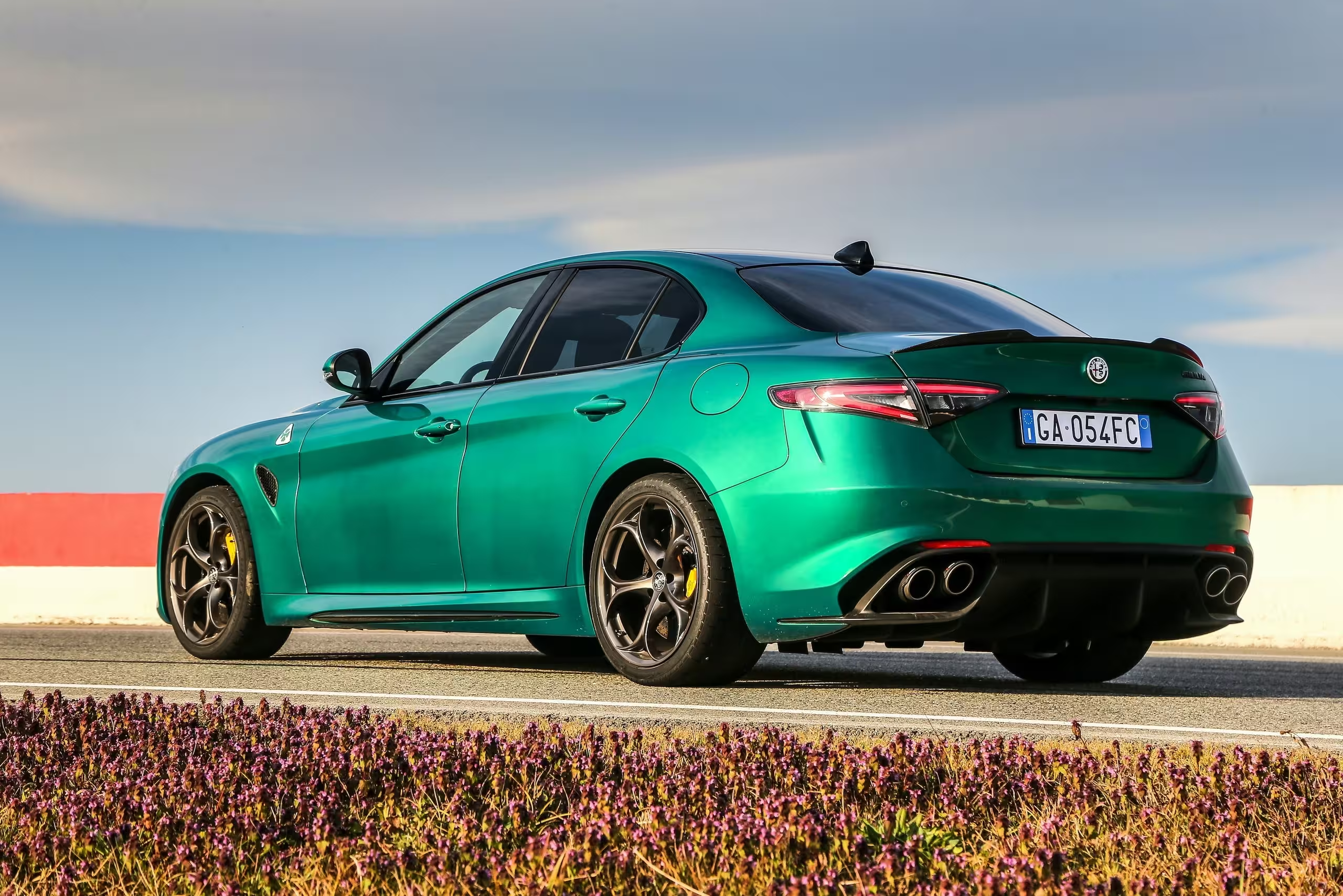
STLA Large comes in two main layouts today: a transverse version for vehicles such as the Jeep Wagoneer S and Recon, and a longitudinal layout used by cars like the Dodge Charger. Alfa Romeo's future Giulia- and Stelvio-replacing models are expected to use a longitudinal STLA Large configuration to preserve the brand's traditional front-engine, rear-biased dynamics.
Engines and performance prospects
Alfa is exploring six-cylinder options for the next-generation models, but the path is not settled. Candidates include:
- An updated version of the current Ferrari-derived 2.9-liter V6, if it can be made Euro 7-compliant.
- A Maserati Nettuno-derived V6, which would bring high-performance pedigree.
- The Dodge Charger’s twin-turbo inline-six, an engine capable of roughly 550 hp and 531 lb-ft (720 Nm) in its current tune.
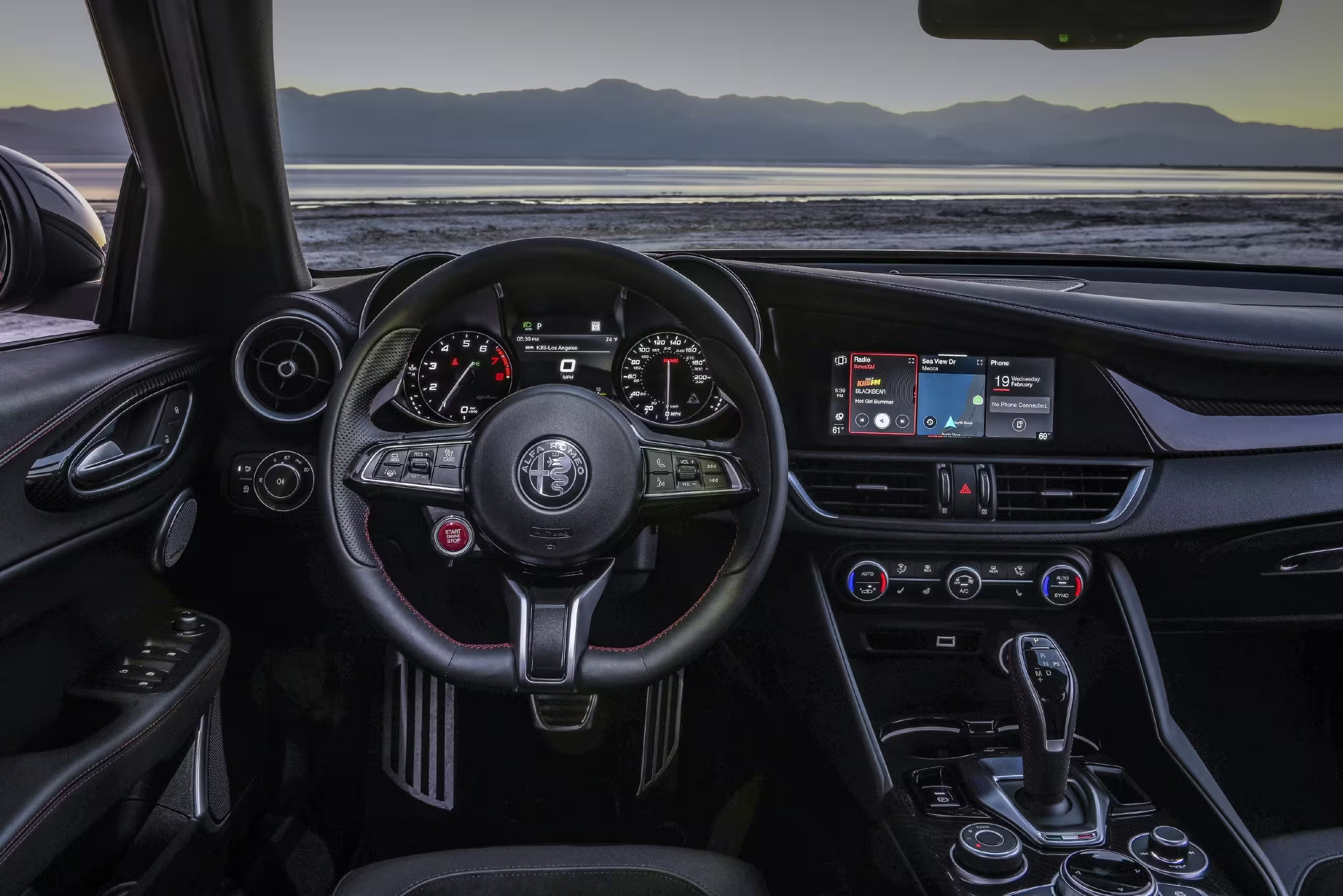
For context, the Quadrifoglio 690T found in limited-run Giulia GTA and GTAm models produced about 533 hp and 443 lb-ft (600 Nm). Those Quadrifoglio special editions were capped at 500 units and have already been pulled from the U.S. lineup after the 2024 model year, though they remain available in Europe, priced north of 89,000 euros for the Giulia Quadrifoglio and nearly 97,000 euros for the AWD Stelvio Quadrifoglio.
Market positioning and strategy
Alfa Romeo’s decision is both tactical and financial. Sales of the Giulia and Stelvio have lagged behind front-wheel- and front-biased models like the Tonale and the Junior crossovers. Rather than invest heavily in a full redesign that may not match demand, Alfa Romeo will use incremental revisions, limited editions, and the Cassino factory’s production capacity to sustain interest while it finalizes its electrification roadmap.
A spokesperson noted the brand needs to balance enthusiast expectations — particularly around performance and driving dynamics — with regulatory realities such as Euro 7 and new safety mandates. That balancing act will shape engine choices and the timing of full EV rollouts.
Takeaway
Alfa Romeo’s extension of production for the Giulia and Stelvio is a pragmatic step. It buys the brand time to engineer next-generation cars that blend combustion and electrification and to ensure those cars meet strict new regulations. Fans of Alfa’s rear-biased handling will have two more years to enjoy the current Giorgio platform, while enthusiasts can expect special editions and incremental visual updates to keep the models fresh until replacements arrive.

“I cover automotive innovation, electric vehicles, and the future of mobility — where technology meets sustainability.”

Discussion
Leave a Comment