
3 Minutes
Small phones had their moment. Then they vanished.
There was a time when the iPhone Mini felt like the perfect rebellion against oversized slabs—compact, fast, and finally with decent battery life in its 13 Mini form. People loved it. They just didn’t buy it. Apple pulled the plug, pivoted to the Plus line, and tried again.
That didn’t stick either.
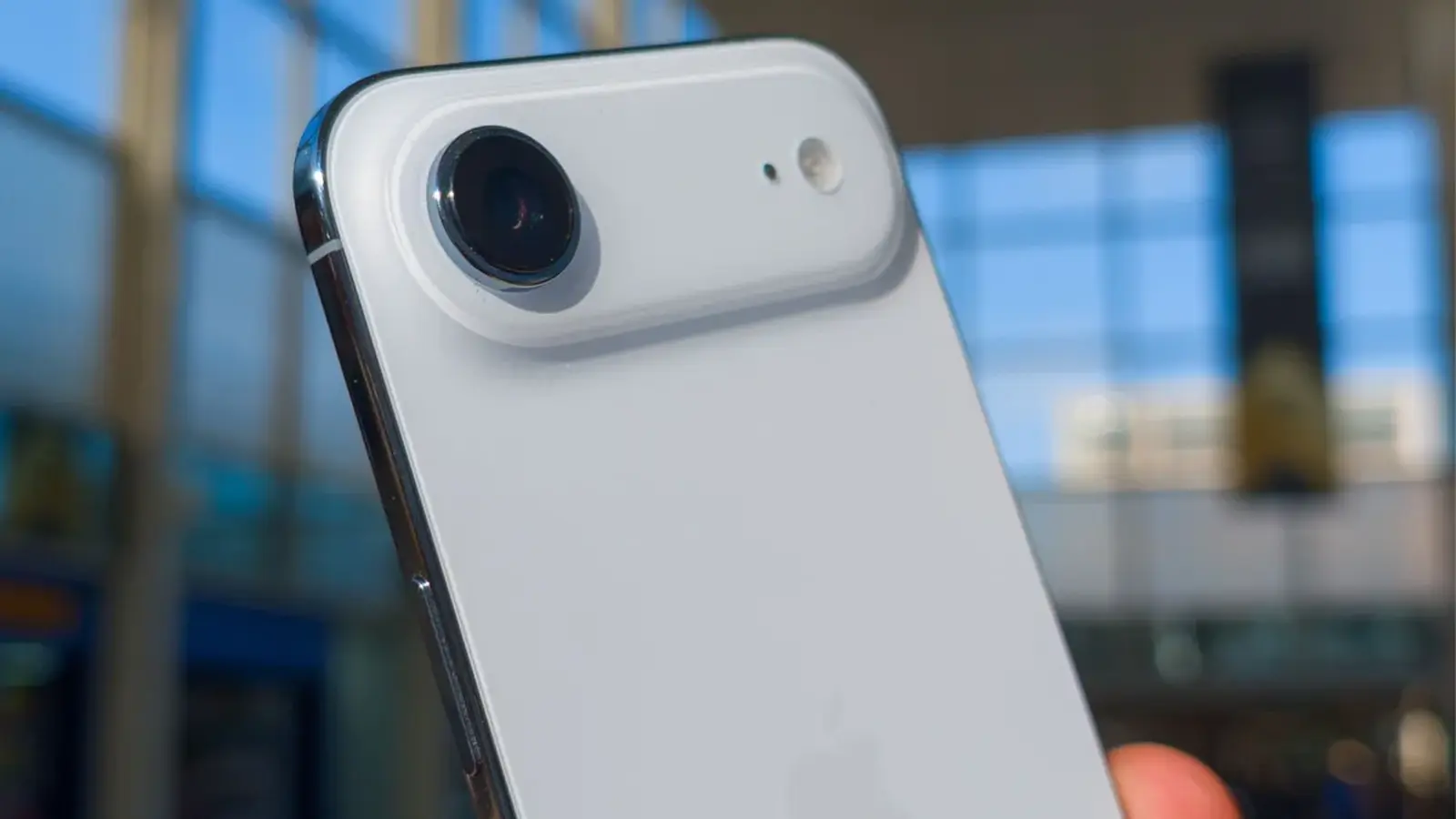
The Plus model lingered for a bit, quietly underperforming, before Apple replaced it with something different: thinner, lighter, and—more importantly—cooler. Enter the iPhone Air. Early chatter painted it as another misstep. Too niche, too subtle, not “Pro” enough. But fresh data is telling a different story.
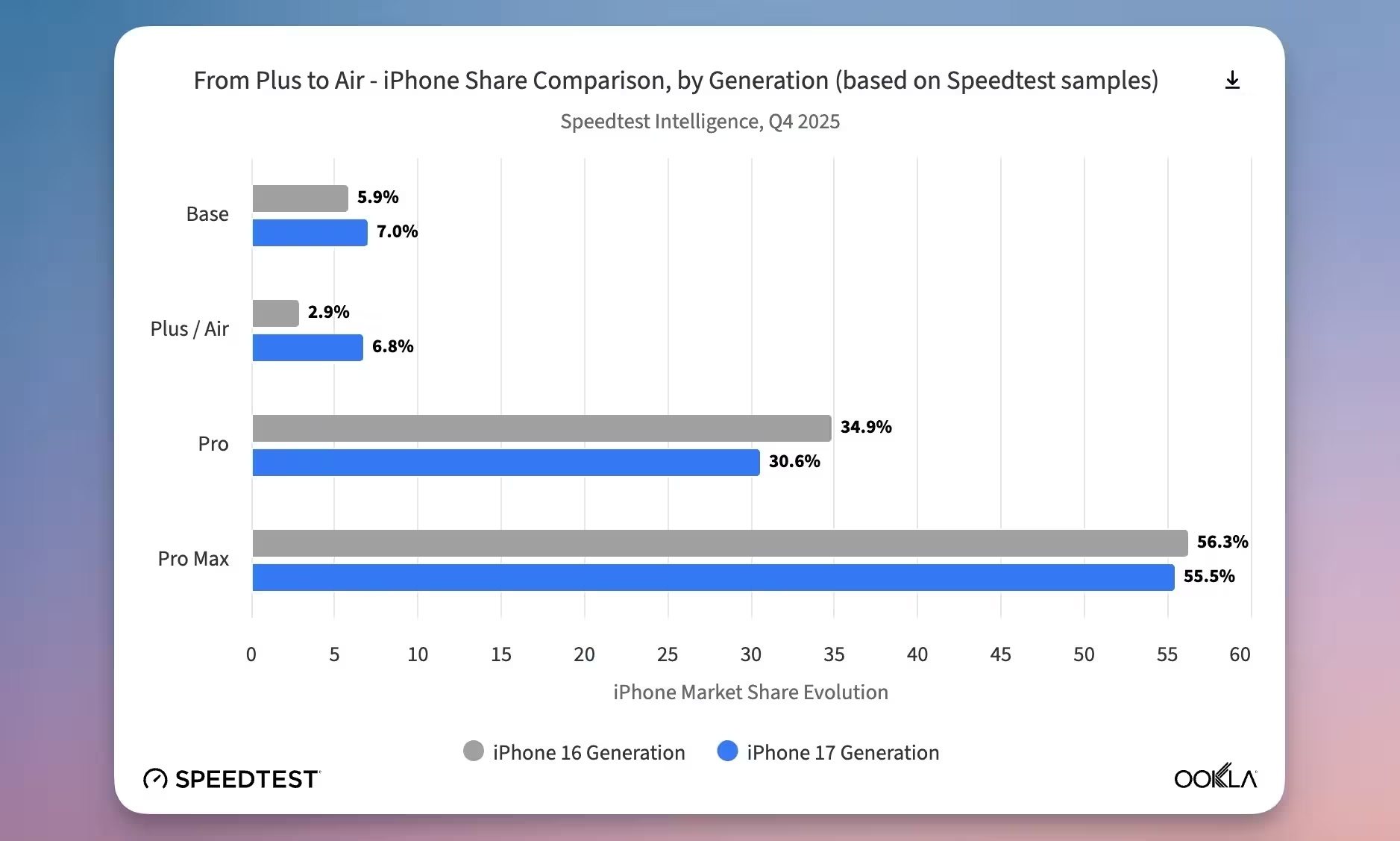
According to Ookla’s Speedtest Intelligence, the iPhone Air grabbed a 6.8% share of the U.S. smartphone market in Q4 2025. On paper, that might look modest. In context, it’s a leap. The iPhone 16 Plus, which the Air effectively replaced, managed just 2.9% during its debut period. Apple didn’t just improve the slot—it more than doubled its impact.
That raises a bigger question: where did those buyers come from?
Not the audience analysts expected
Conventional wisdom said the Air might eat into Apple’s high-end territory. It didn’t—at least not where it matters most. The iPhone 17 Pro Max continues to dominate, holding a massive 55.5% share, almost unchanged from the previous generation. The ultra-premium crowd remains firmly planted.
The shift happened one tier down.
The standard Pro model slipped from 34.9% to 30.6%, suggesting that a slice of users made a conscious trade: slightly less camera power and battery in exchange for a thinner, more refined design. Not a compromise, exactly—more like a preference. Around 4% of buyers leaned into that choice, and that’s enough to reshape a lineup strategy.
Design, it turns out, still sells. Not just any design—something that feels fresh in the hand and distinct in a crowded lineup.
Samsung tried to follow. It didn’t land the same way.
Samsung saw the same trend coming and moved quickly with its own slim device, the Galaxy S25 Edge. On paper, the timing looked perfect. In reality, the response has been muted.
In the U.S., the iPhone Air is outselling the S25 Edge by nearly three to one—6.8% versus 2.4%. In key European markets like the UK and Germany, Samsung’s slim phone barely registers, struggling to cross even the 1% threshold.
That gap says a lot. Being thin isn’t enough. The product has to feel intentional, not reactive.
Apple didn’t just make a thinner phone—it reframed what buyers in that segment actually want.
For years, the smartphone conversation revolved around size: bigger screens, smaller bodies, foldables, minis. The iPhone Air shifts that narrative slightly. It suggests that aesthetics and feel—how a device fits into daily life—can matter just as much as raw specs.
And maybe that’s the quiet lesson here. People weren’t asking for smaller or larger phones anymore. They were waiting for something that simply felt better to own.
Source: digitaltrends


Comments
Jonas
is this even true? Sounds impressive but could carrier deals or trade ins be the real reason, not pure demand? seems fishy, curious to see deeper data
chipflux
Wait, the Air outselling Samsung by 3x? wild. Design still matters huh… I kinda want one now, slimmer phone that actually feels premium, not just spec war. hmm

Leave a Comment