
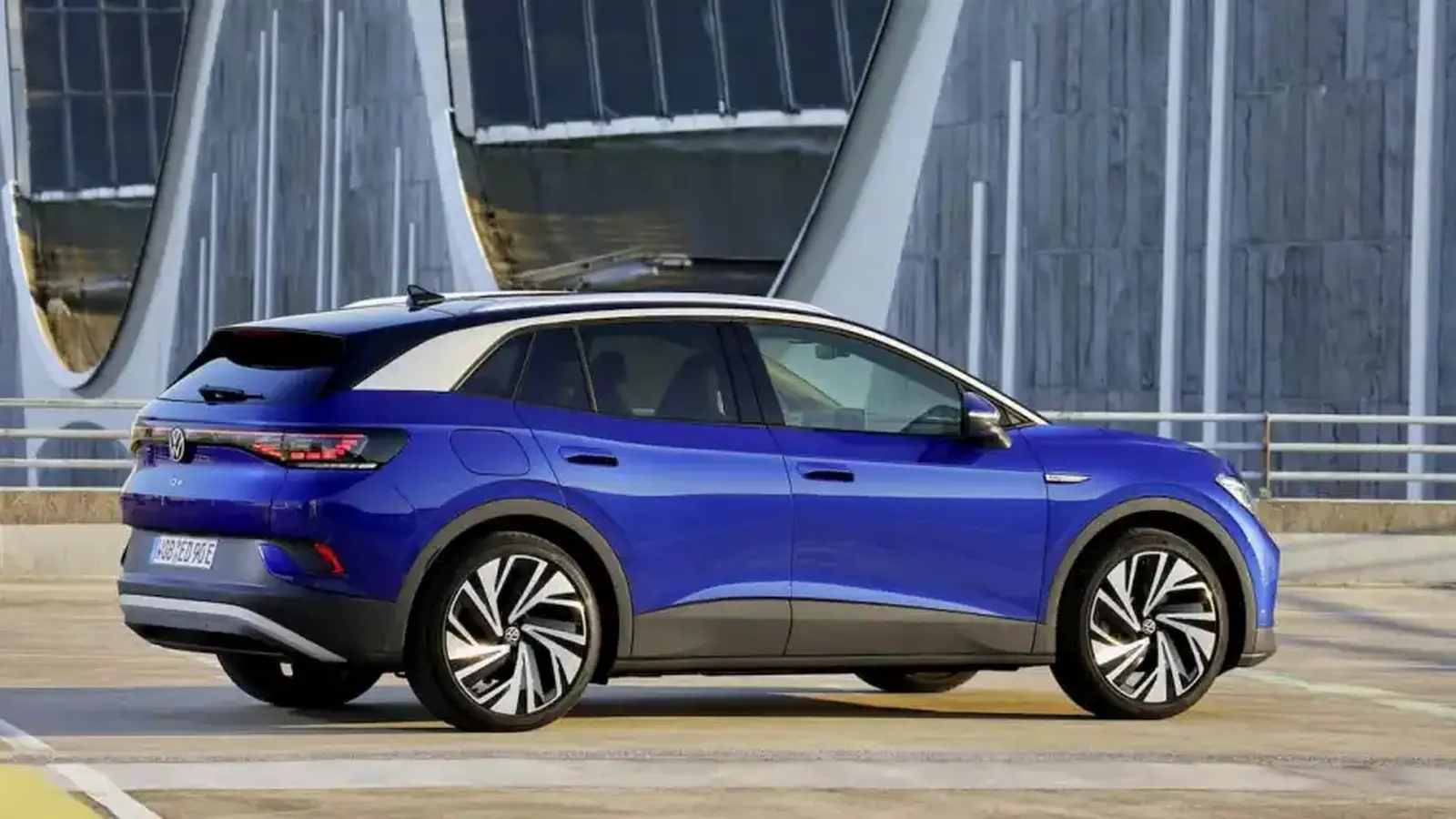
Something isn’t quite right inside nearly 100,000 electric vehicles wearing the Volkswagen badge—and the company knows it.
In a sweeping global move, Volkswagen Group has issued a recall affecting 94,031 electric cars, the majority of them from its ID lineup. The issue traces back to battery modules that may not behave as expected. In the worst-case scenario, they could overheat. In less dramatic cases, they might quietly chip away at driving range.
Most of the affected vehicles—74,579 units—belong to Volkswagen’s ID family, including familiar names like the ID.3, ID.4, ID.5, and even the retro-styled ID. Buzz and its cargo variant. The remaining 19,452 units come from the Cupra Born, the sportier cousin in the group’s EV portfolio.
Germany alone accounts for a sizable slice of the recall, with over 28,000 vehicles impacted across both Volkswagen and Cupra brands. The cars in question were built between early 2022 and mid-2024, depending on the model.
What’s actually going wrong?
At the center of it all are battery modules that may be defective. Not every vehicle will show symptoms, but the risk is enough to trigger action. Drivers could notice reduced range—or nothing at all—until a deeper issue surfaces. In rare situations, the fault could escalate into a thermal event, something no automaker takes lightly.
Volkswagen’s fix is measured, not drastic. Dealers will inspect the battery modules and apply a software update designed to monitor and manage performance more precisely. If a module shows signs of failure, it will be replaced individually rather than swapping the entire battery pack.
The recall is logged under Germany’s Federal Motor Transport Authority (KBA) reference number 16271R, giving owners and regulators a clear trail to follow.
This isn’t happening in isolation. Earlier in 2026, Volkswagen filed a separate recall in the United States covering more than 43,000 ID.4 models from the 2023 to 2025 model years. That case also pointed to potential overheating risks tied to the battery system, with a similar remedy involving software updates and component replacement when necessary.
For Volkswagen, it’s a reminder that scaling electric mobility comes with new layers of complexity. Battery systems are incredibly sophisticated—and when something small goes wrong, the ripple effects can be global.
For owners, the takeaway is simple: if your EV is affected, get it checked. The fix may be minor, but the precaution is essential.

“I cover automotive innovation, electric vehicles, and the future of mobility — where technology meets sustainability.”

Discussion
Leave a Comment