
3 Minutes
Something feels off the moment you unlock the Galaxy S26 Ultra. Not dramatically broken—just… different. For some users, it’s subtle. For others, it’s a dealbreaker.
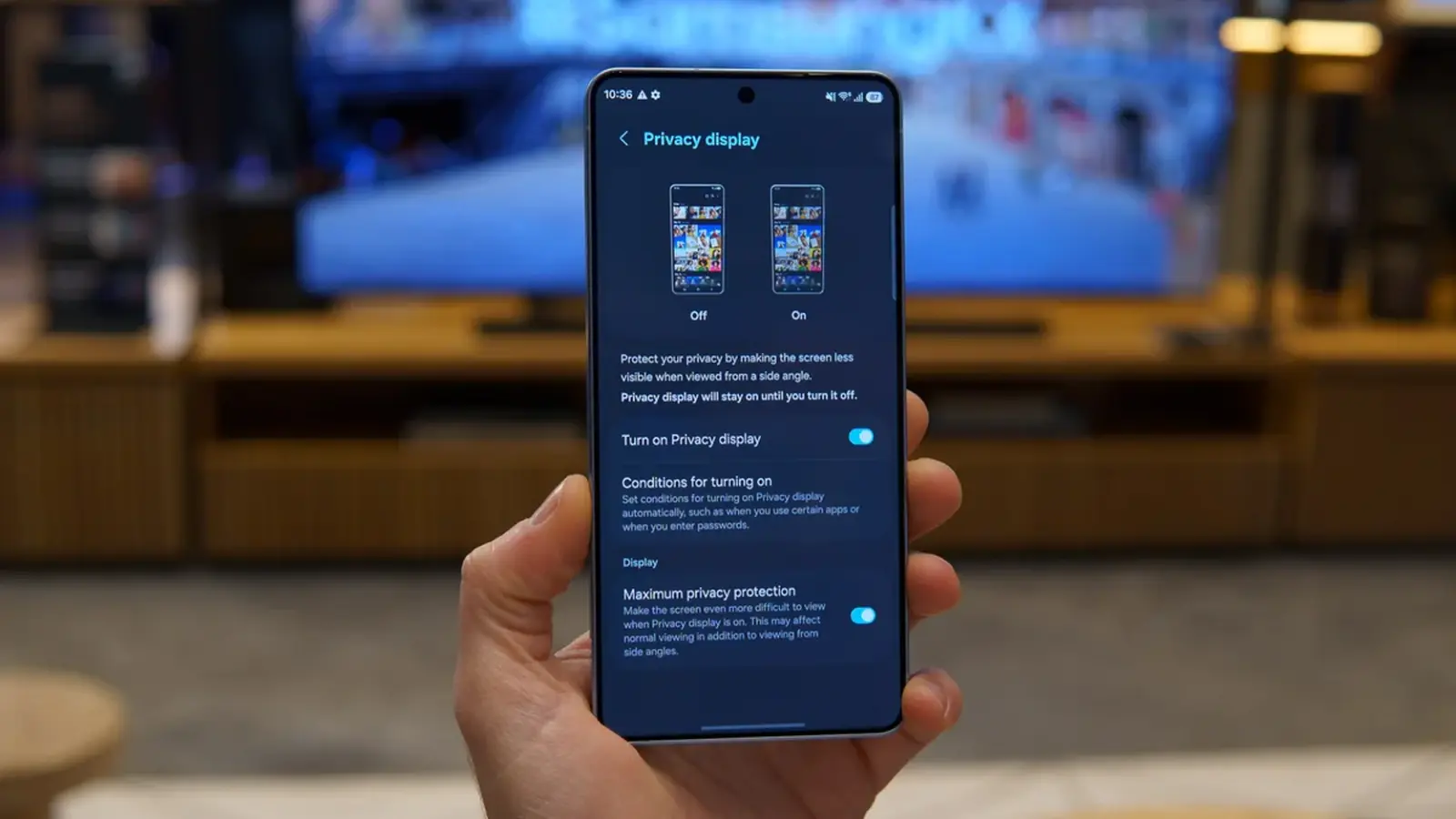
Samsung’s big swing this year was a privacy-focused display designed to keep prying eyes out. On paper, it sounds like a modern necessity. In practice, the trade-offs are starting to speak louder than the feature itself.
A growing number of users say the screen looks less refined than expected from a flagship. There’s talk of visual discomfort, quicker eye strain, and an overall softness that wasn’t part of the Ultra experience before. It’s not universal—but it’s common enough to shift buying decisions.
When innovation comes with a cost
In a recent reader poll, sentiment split in a way Samsung likely didn’t anticipate. Over a third of respondents said they’re skipping the Galaxy S26 Ultra entirely because of the display. That’s not a minor hesitation—that’s lost sales.
Another 30 percent reported firsthand issues after purchasing the device, saying the screen didn’t live up to expectations. Meanwhile, about a third claim everything looks perfectly fine on their units. Same phone, wildly different experiences.
This divide highlights something easy to overlook: displays aren’t just specs. They’re deeply personal. What feels sharp and comfortable to one person can feel harsh or fatiguing to another.
Samsung appears aware of the backlash. Reports suggest the company has responded directly to complaints and even introduced incentives to keep users from returning their devices. That’s a strong signal that this isn’t just noise—it’s a real concern.
The first-generation gamble
There’s a pattern here, and it’s not new. First-generation features often arrive with a mix of excitement and compromise. The privacy display is clever, no doubt—but it may have arrived before it was fully polished.
The Galaxy S26 Ultra still delivers where it counts in many areas. Camera performance is stronger than ever. Charging speeds are faster. The hardware remains premium across the board. But the display? That’s the part you interact with every second. If it doesn’t feel right, everything else fades into the background.
Samsung will likely refine this technology in future releases. That’s usually how these stories go. Early adopters take the hit, later versions get the balance right.
Or the company quietly drops the idea altogether if the trade-offs prove too steep.
For now, the Galaxy S26 Ultra stands as a reminder: innovation can attract attention—but it can just as quickly push people away.



Leave a Comment