
It started with a tragedy no safety system should ever allow. A child lost in the back seat of a Hyundai Palisade has now triggered a wider reckoning—one that’s quietly spreading across Kia showrooms.
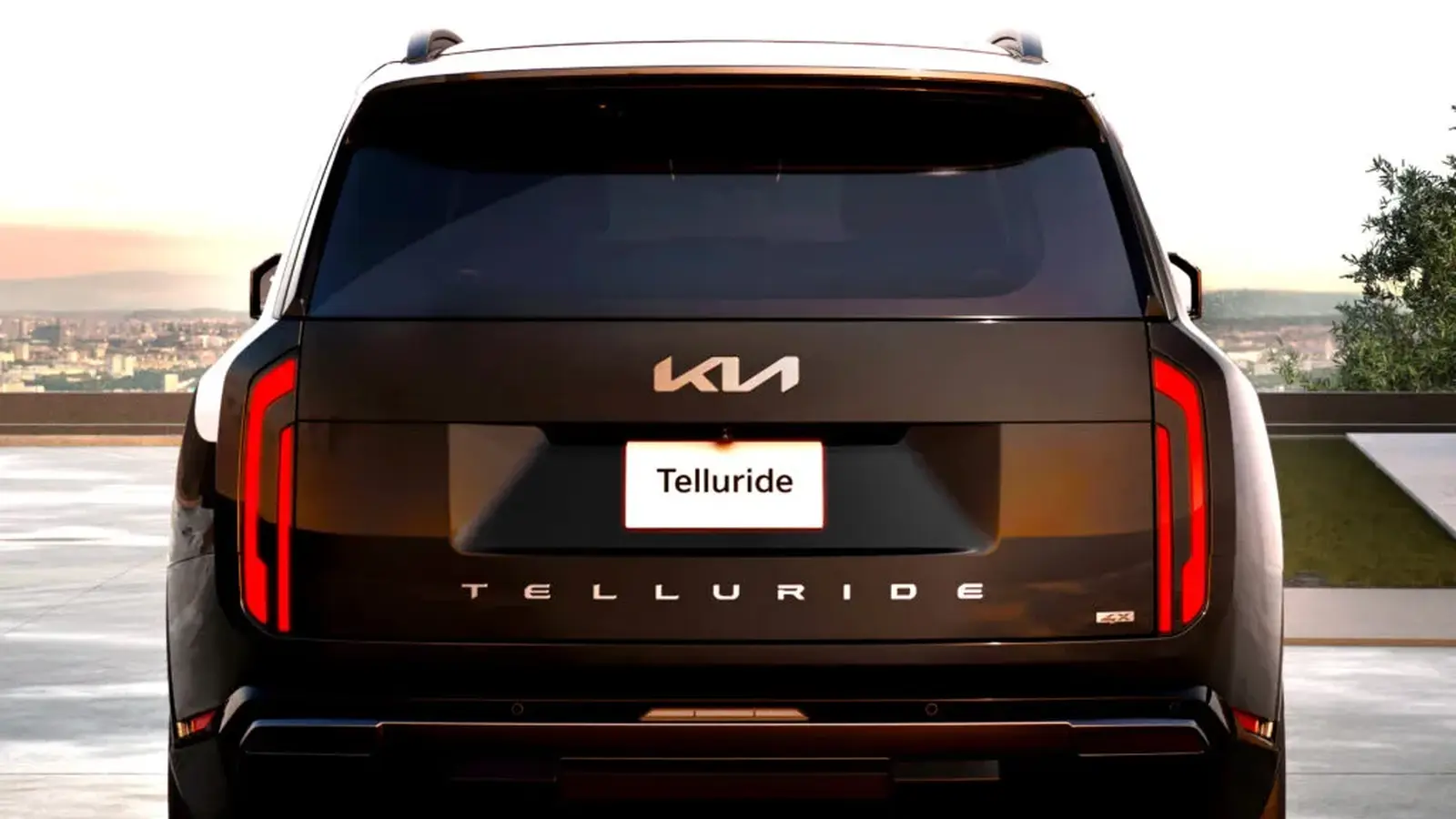
Kia has pulled a small batch of 2027 Telluride SUVs from sale, not because of something obvious like engine trouble or braking issues, but due to a far more unsettling flaw: power-operated rear seats that may fail to detect occupants. In plain terms, the very feature designed to make family life easier could pose a serious risk.
The recall originally targeted more than 61,000 Hyundai Palisade models from the 2026 model year. Now, 568 units of the 2027 Kia Telluride Hybrid—specifically the SX Prestige and X-Line SX Prestige trims with the Executive Package—have been added to the list. Dealers across the U.S. and Canada have been told to stop selling these vehicles until repairs are completed.

When convenience turns complicated
Modern SUVs are packed with clever touches. One-touch folding seats, automatic slide functions, seamless third-row access—it all sounds great on paper. But these systems rely on motors, sensors, and software working in perfect harmony. When they don’t, the consequences can go far beyond inconvenience.
According to Hyundai Motor Group, the issue lies in insufficient anti-pinch protection during certain seat movements. The second-row seats can tilt, slide, or fold at the press of a button, but under specific conditions, they may not properly detect if someone—or something—is in the way.
That’s exactly the kind of failure linked to the recent fatal incident, along with at least one reported injury. It’s not a widespread defect in terms of volume, but the severity of the risk has forced immediate action.
What makes this situation more frustrating is the uncertainty. There’s no fix available yet. Hyundai and Kia say a solution is “under development,” leaving owners in a holding pattern. Notification letters are expected to reach customers by mid-May, meaning some drivers may remain unaware of the issue for weeks.
Until then, caution is the only safeguard. Owners are being urged to avoid relying on automatic seat functions without checking the surrounding area carefully—especially when երեխան or passengers are nearby.
The bigger picture? As vehicles become smarter and more automated, even small system failures can carry serious real-world consequences.
This recall is a stark reminder that innovation in family SUVs isn’t just about convenience—it has to be matched by fail-safe engineering. Because when it comes to safety, especially in the back seat, there’s no margin for error.

“Cars are evolving faster than ever. I cover electric vehicles, smart mobility, and the future of transportation worldwide.”

Discussion
Leave a Comment