
Six thousand dollars doesn’t usually buy much excitement in today’s car market. Yet here’s Hyundai, quietly polishing one of its smallest SUVs and making a compelling case for budget buyers who don’t want to feel like they’ve settled.
The 2026 Hyundai Exter arrives with a light refresh—nothing dramatic, nothing forced. Just the kind of thoughtful tweaks that make daily driving a bit nicer without pushing the price out of reach.
Small Changes, Big First Impressions
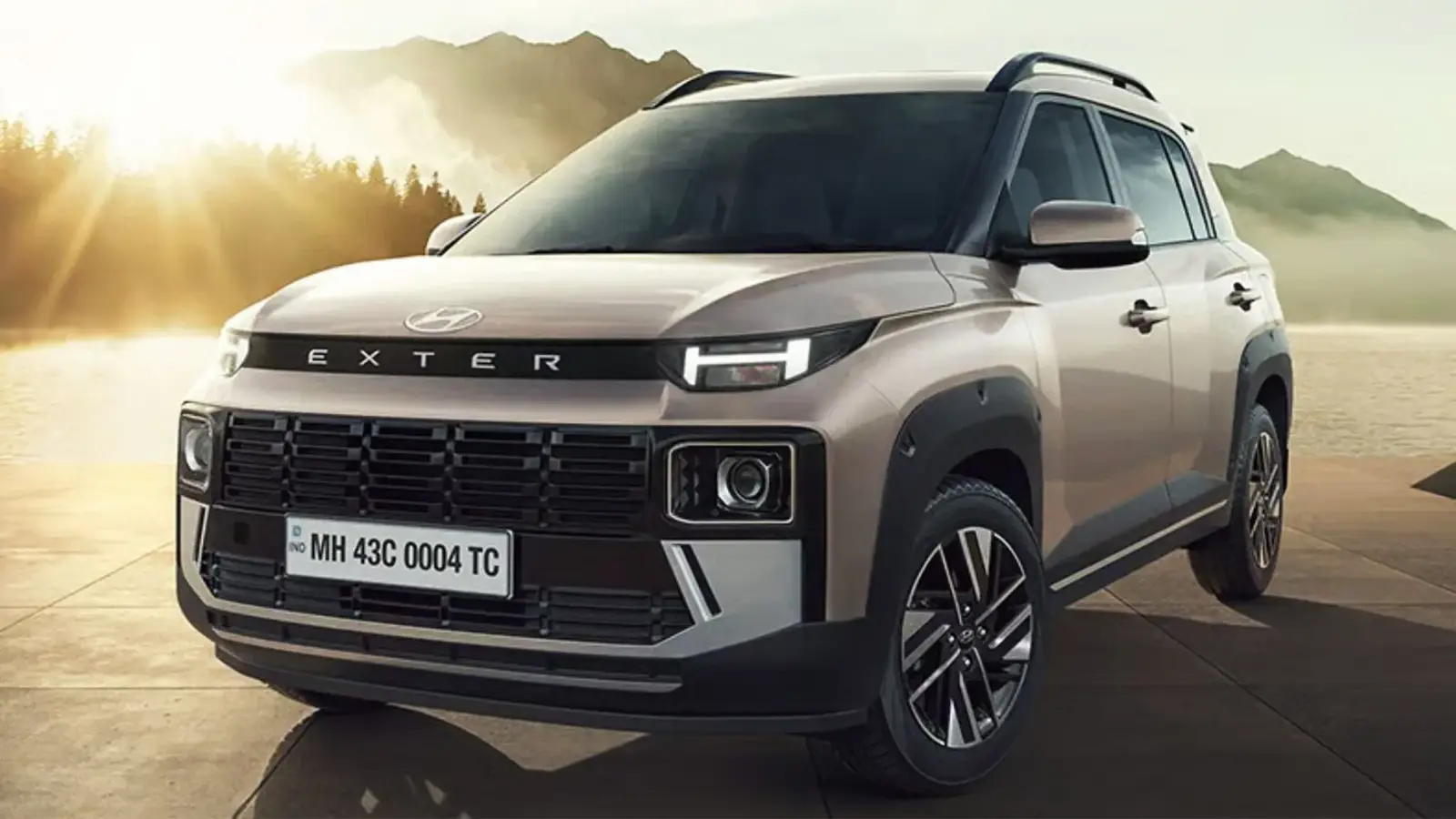
At a glance, the Exter still looks familiar. Look closer, though, and the details begin to surface. The front end keeps its distinctive split LED setup, but the bumper has been reworked with a broader grille and a sharper, more structured look. The Exter badge has crept upward, giving the nose a slightly more confident stance.
Along the sides, Hyundai has leaned into a tougher aesthetic. Chunkier wheel-arch cladding mimics bolt-on fenders, adding a hint of ruggedness—even if the 15-inch alloys still feel a touch undersized for the body.
Out back, it’s a similar story: subtle revisions. A new dual-wing roof spoiler adds flair, while the rear bumper and trim between the taillights have been simplified for a cleaner finish. Two fresh paint options—Golden Bronze and Titanium Black Matte—round out the visual updates.
Despite its compact footprint at just under four meters in length, the Exter holds its own as Hyundai’s smallest SUV in India, sitting neatly below the Venue while offering more presence than you’d expect.

Inside: Practical Tech Meets a Splash of Style
The cabin doesn’t try to reinvent itself, and that’s a good thing. Instead, Hyundai has focused on usability. The 8-inch infotainment system now supports wireless Android Auto and Apple CarPlay—an upgrade that matters more in everyday life than flashy graphics ever will.
There’s a bit more personality, too. A new navy blue and grey upholstery combo replaces the usual monotone feel, while a carbon-style finish on the dashboard adds texture. It’s subtle, but it lifts the cabin.
New features include a built-in dashcam, a flat-bottom steering wheel, metal pedal accents, a central armrest, and USB-C ports. None of these are headline-grabbing on their own, but together they make the Exter feel more complete.
Crucially, essentials like six airbags, electronic stability control, hill-start assist, and adjustable driver’s seat height are now standard across the range.
Same Engines, Same Honest Approach
Under the hood, nothing changes—and that’s intentional. The Exter sticks with its reliable 1.2-liter naturally aspirated petrol engine, producing 82 hp and 114 Nm of torque. It’s not quick, but it’s predictable and efficient, which is exactly what this segment demands.
There’s also a CNG bi-fuel option, delivering lower output but offering a cost-effective alternative for city commuters. The trade-off comes in practicality: boot space drops from 391 liters in the petrol version to 225 liters in the CNG model due to the tanks.
Front-wheel drive remains the only configuration. No surprises there.
Still One of the Cheapest SUVs You Can Buy
Pricing is where the Exter continues to stand out. The updated model starts at Rs 5.80 lakh (around $6,200) and tops out at Rs 9.42 lakh (about $10,000). That’s a slight increase over before, but still comfortably below the larger Hyundai Venue.
It also keeps the Exter firmly in the fight against rivals like the Tata Punch, Maruti Suzuki Ignis, Citroën C3, Renault Kiger, and Nissan Magnite.
And that’s really the point. The Exter doesn’t try to dominate headlines—it just quietly gets better, holding onto its place as one of the most accessible entry points into SUV ownership today.

“Cars are evolving faster than ever. I cover electric vehicles, smart mobility, and the future of transportation worldwide.”

Discussion
Leave a Comment